Explore Buda Castle, the Parliament, grand museums, and the landmarks that tell Budapest's story.
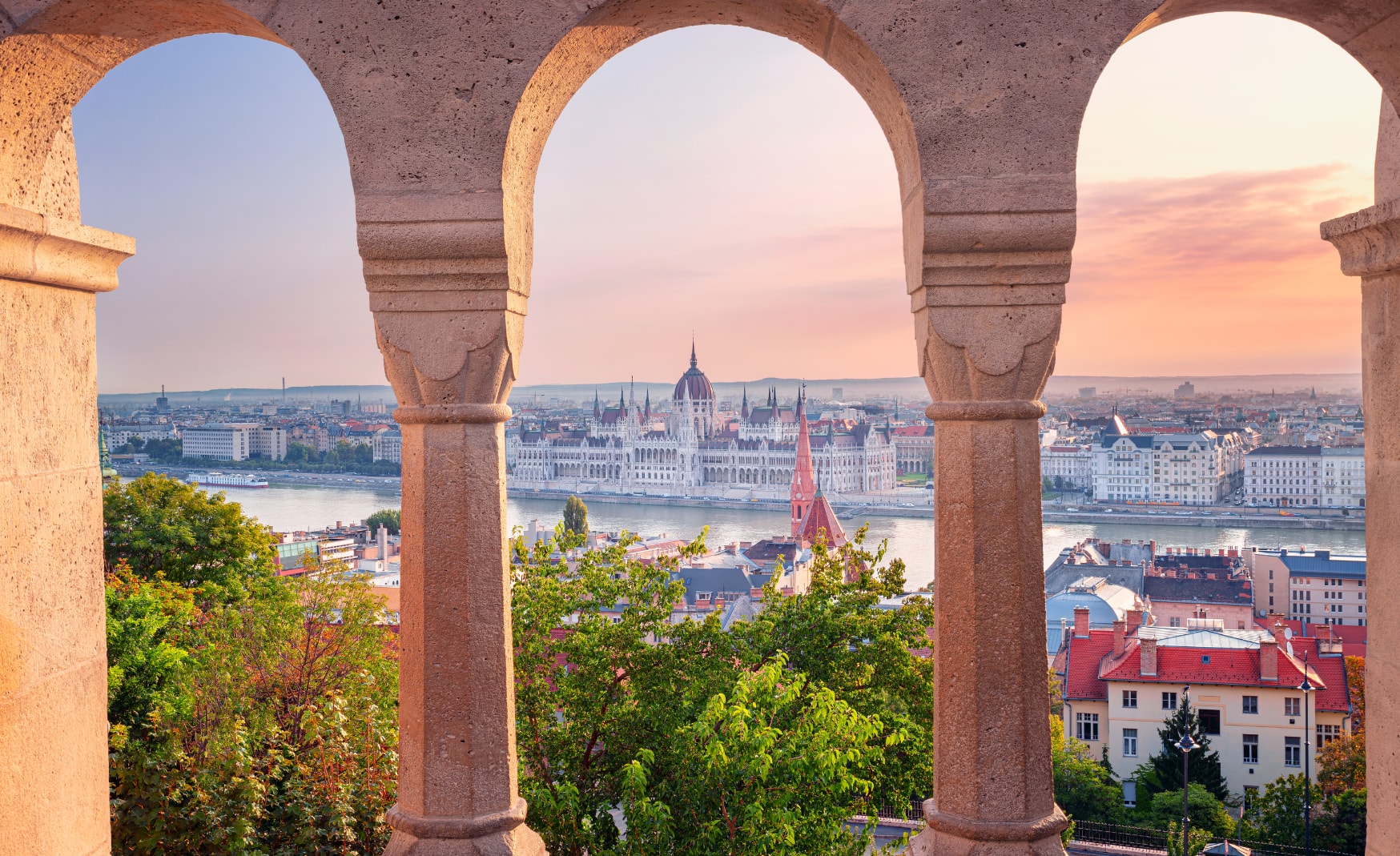
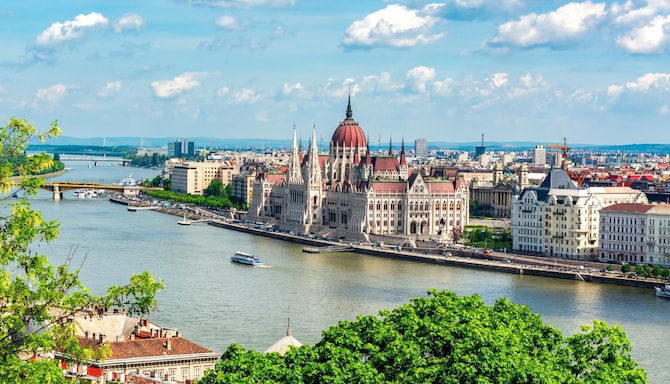
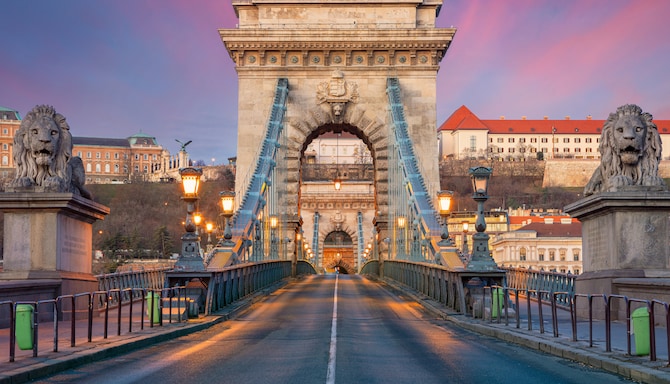
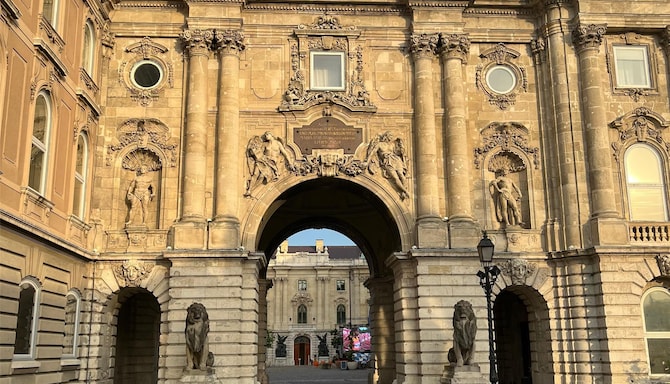
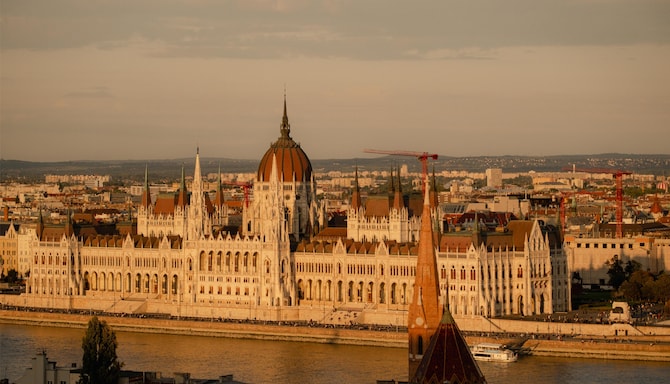
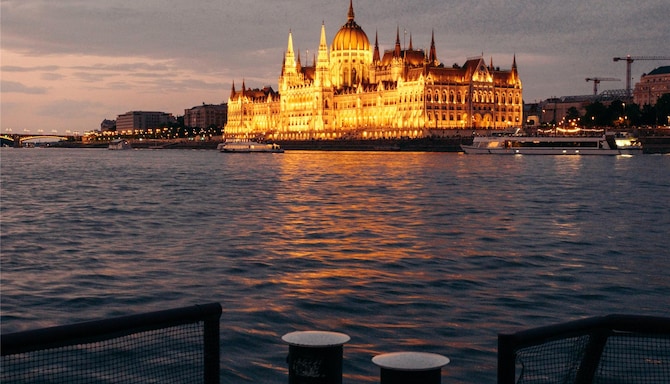
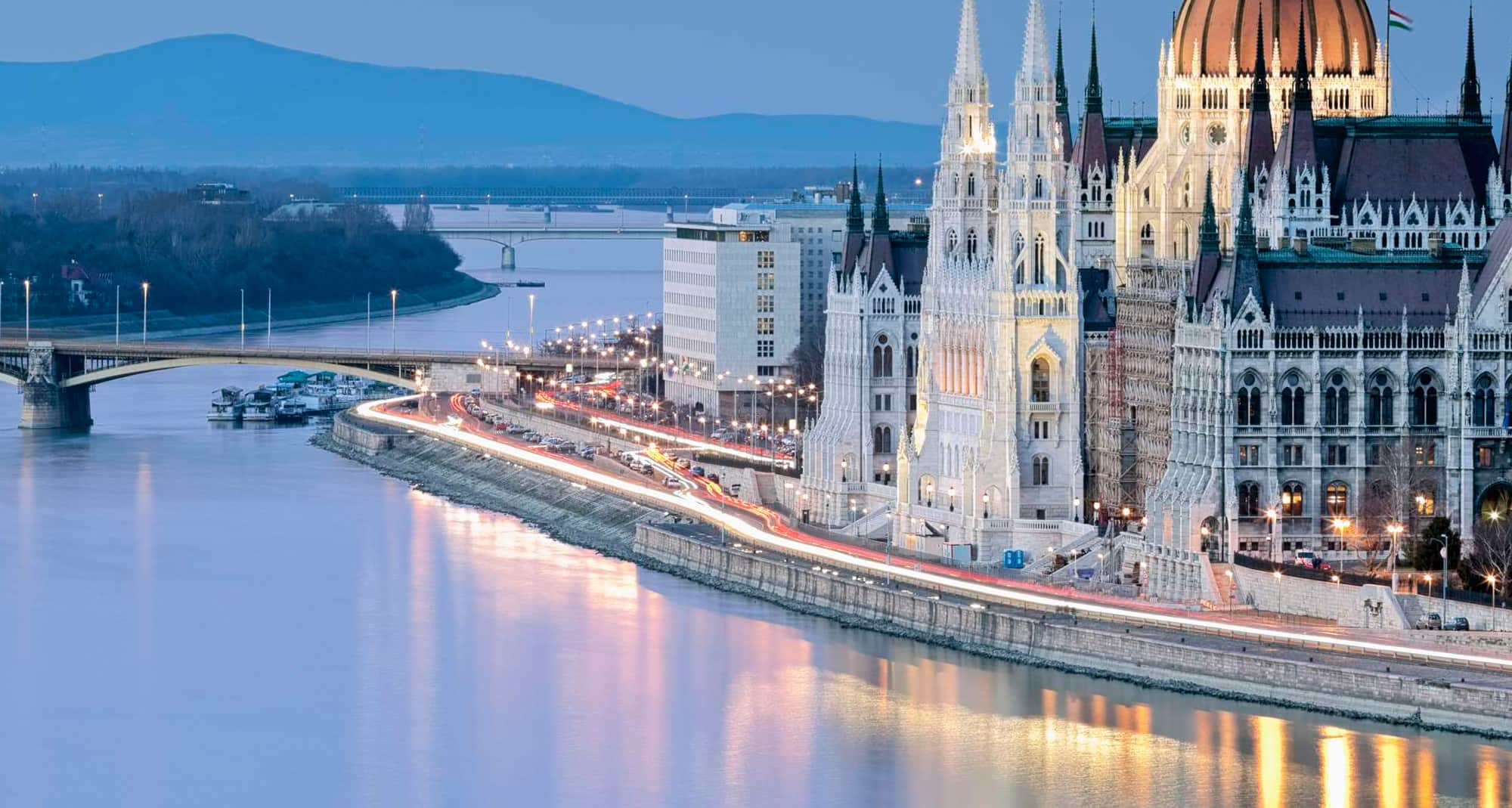
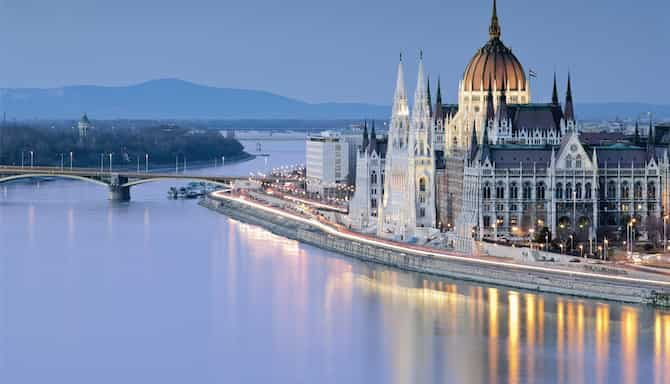
Budapest, the capital of Hungary, sits on both banks of the Danube. Hilly Buda is home to Buda Castle and Fisherman's Bastion, while flat Pest holds the Hungarian Parliament Building, grand boulevards, and lively food and nightlife streets.
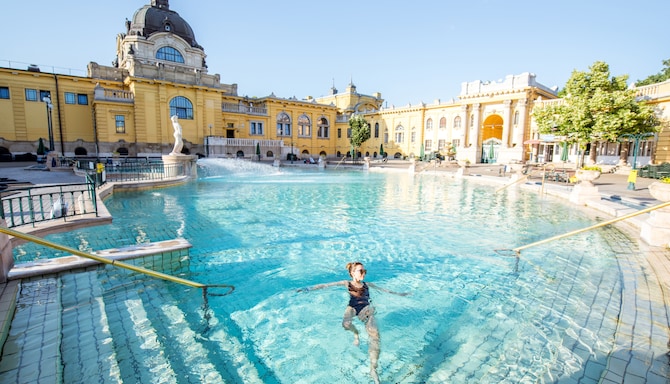
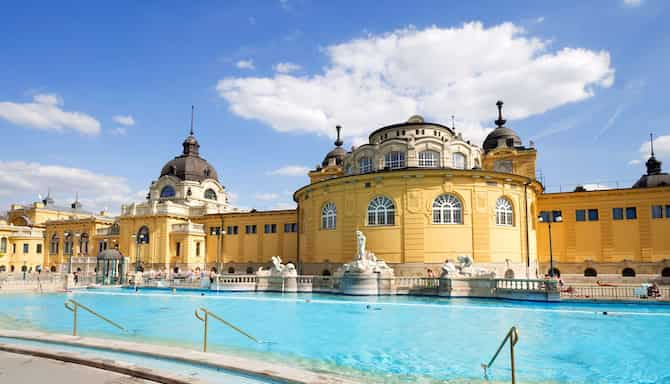
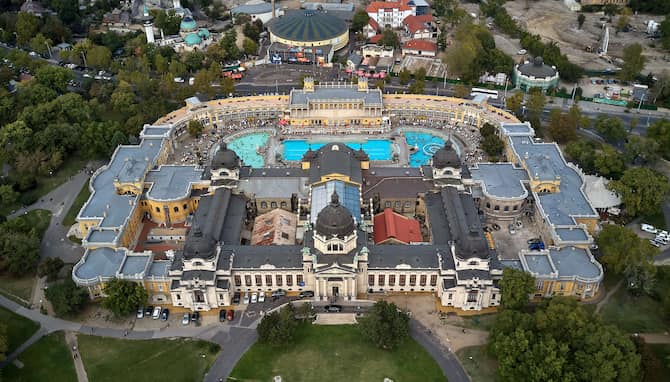
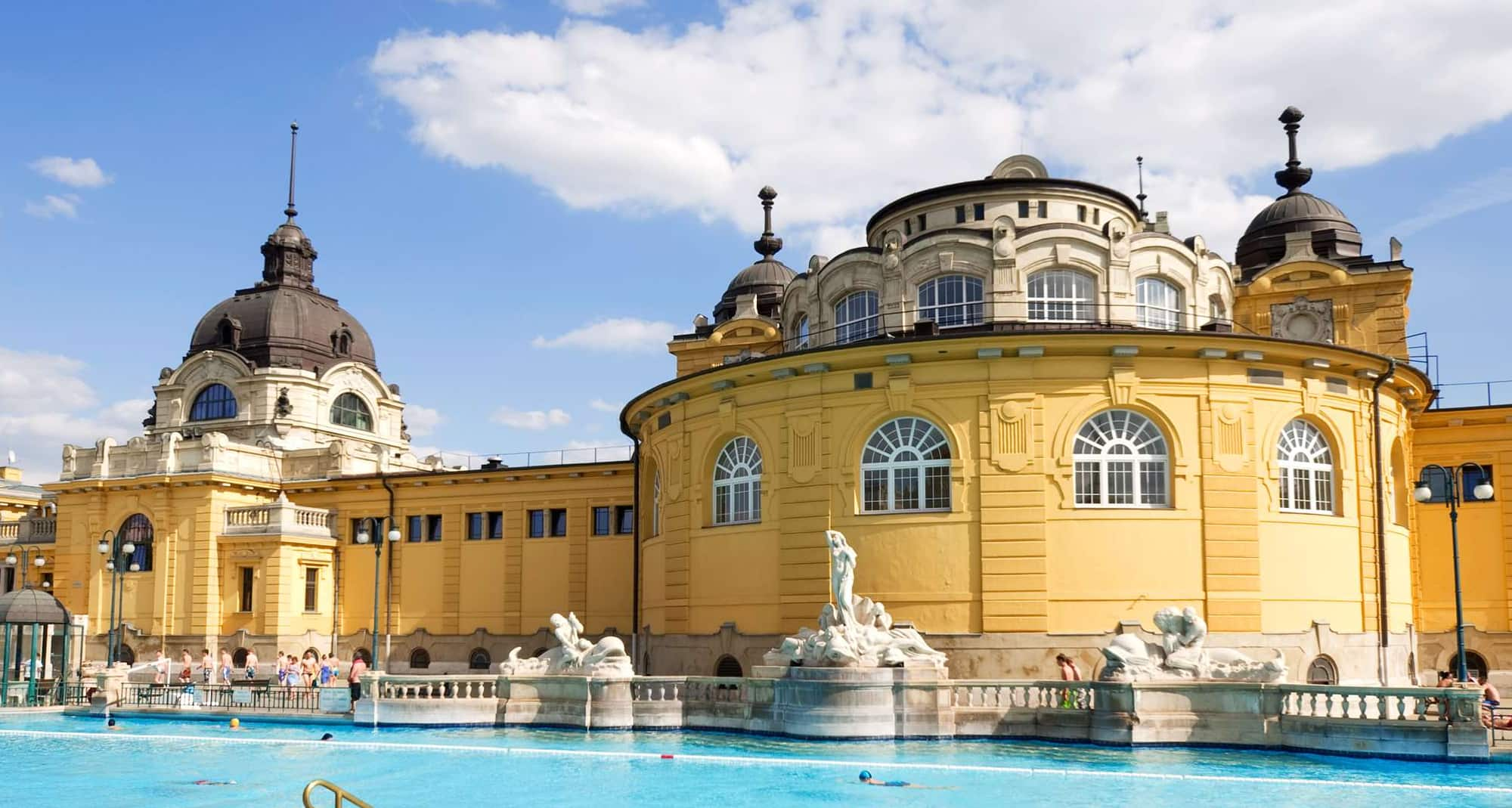
The city is also famous for its thermal springs. Historic bathhouses such as the Szechenyi Thermal Bath let you soak in warm mineral water year-round.
This Budapest city guide brings together the essentials for your trip. Find the best time to visit, how to get around, 1-, 2-, and 3-day itineraries, the top ten things to do, local etiquette tips, and ideas for every travel style.
Budapest suits couples on a city break, friends looking for nightlife, families, and history lovers alike. Its compact center, good public transport, and mix of grand sights and relaxed cafes make it easy to enjoy in a few days.
Season | Best for | Travel tip |
|---|---|---|
Spring (March–May) | Mild walks, blossoming parks, and outdoor cafes | Pack layers for cool evenings and book popular baths and tours ahead around Easter. |
Summer (June–August) | Danube cruises, outdoor pools, and summer festivals | See major sights early in the day to avoid the midday heat and the biggest crowds. |
Autumn (September–November) | Wine festivals, autumn colors, and fewer crowds | Bring a light jacket and plan a day trip to the Danube Bend while the leaves turn. |
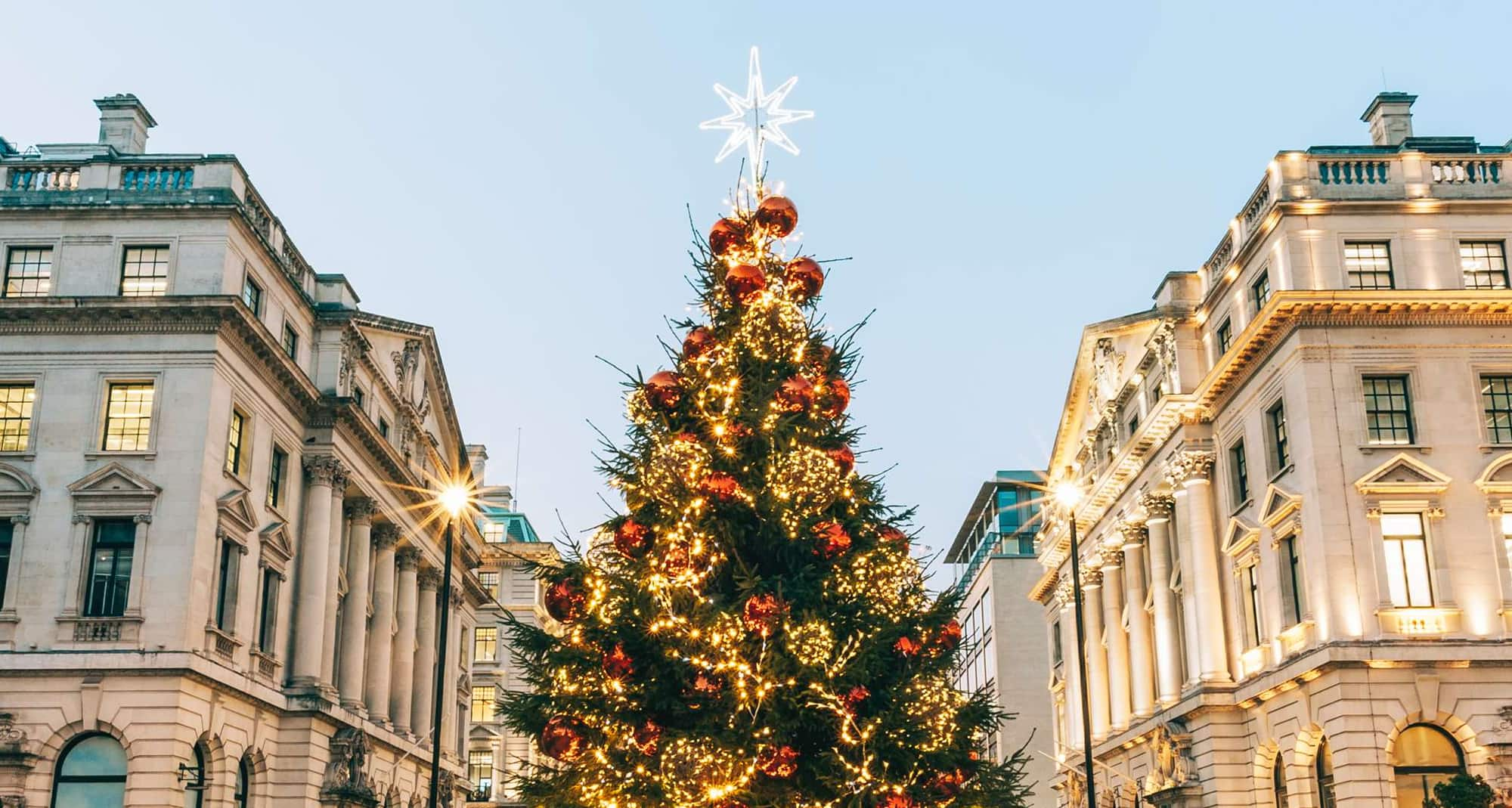
Winter (December–February) | Christmas markets, thermal baths, and cozy cafes | Soak in an outdoor thermal pool on a cold day, then warm up at a classic coffeehouse. |
Budapest is easy to explore on foot and by public transport. Metro, trams, buses, trolleybuses, and HEV suburban trains in the city use the same BKK tickets.
The 24-hour and 72-hour travel cards offer unlimited rides and are often the simplest choice for visitors. Buy tickets in the BudapestGO app or from ticket machines, and validate paper tickets before you travel.
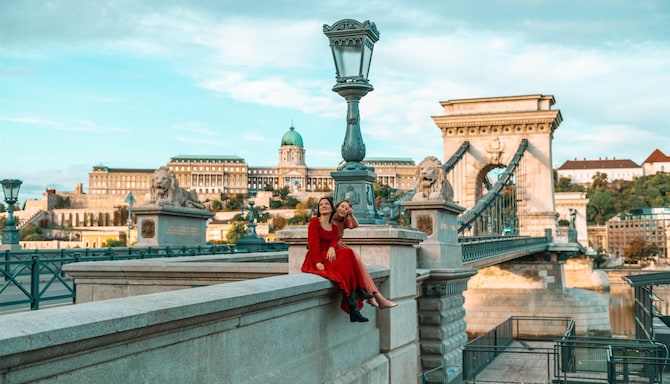
Tram 2 runs along the Pest riverbank with views of Buda Castle. The historic M1 metro line runs under Andrassy Avenue to City Park.
From the airport, the 100E Airport Express bus needs its own ticket. Licensed taxis and ride-hailing apps are also available.
Whether you're planning a romantic city break, a weekend with friends, or a family trip, Budapest has something for every kind of traveler.
Choose a travel style below to find ideas, neighborhoods, and tips that match the way you like to explore.
Not sure how to fit Budapest into a short stay? These ready-made itineraries help you balance key sights, good food, and time to relax.
The 1-day plan covers the essentials on both sides of the Danube. The 2-day plan adds a thermal bath, Andrassy Avenue, and the Jewish Quarter. The 3-day plan leaves room for Gellert Hill, Margaret Island, and a slower pace.
Each day follows a simple morning, lunch, afternoon, and evening rhythm, so you can swap stops to suit your interests and the weather.
Day 1
Day 2
Day 1
Day 2
Day 3
| Idea | Why go? | Time needed | Best for |
|---|---|---|---|
| Buda Castle Quarter | Wander cobbled lanes, palace courtyards, and Danube viewpoints | 2–4 hours | First-timers and history buffs |
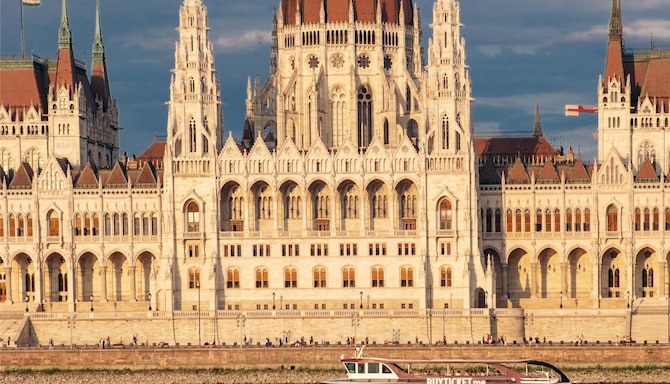
| Hungarian Parliament Building | See the Holy Crown on a guided tour of the Neo-Gothic halls | 1–2 hours | History and architecture fans |
| Szechenyi Thermal Bath | Soak in outdoor thermal pools at a Neo-Baroque bathhouse | 2–4 hours | Couples and wellness seekers |
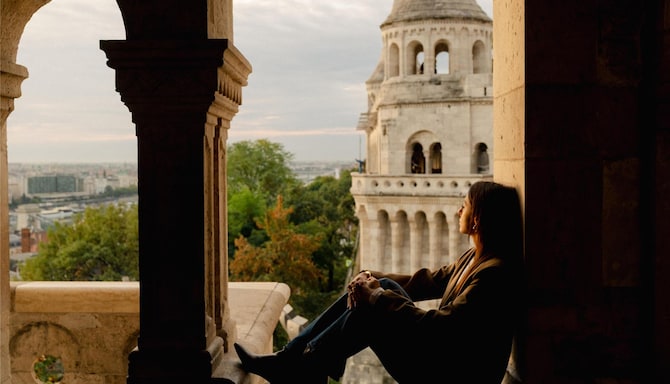
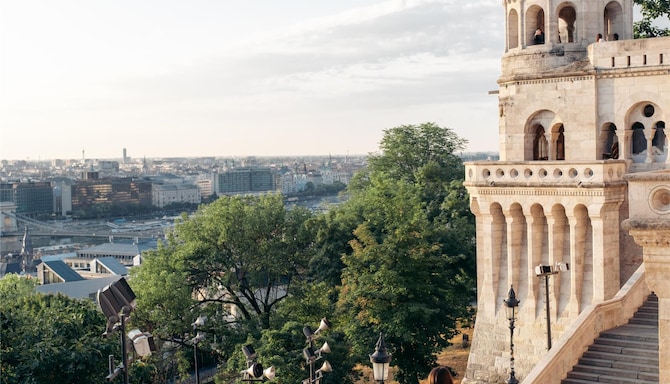
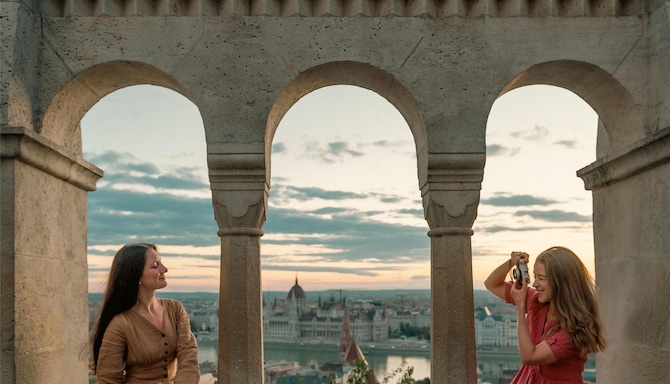
| Fisherman's Bastion | Enjoy fairy-tale towers and wide views over the Parliament | 1–1.5 hours | Photography lovers |
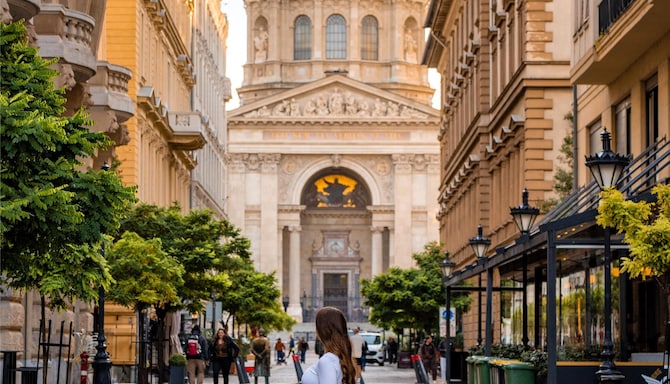
| St Stephen's Basilica | Climb to the dome for panoramic views over Pest | 1–1.5 hours | Sightseers and photographers |
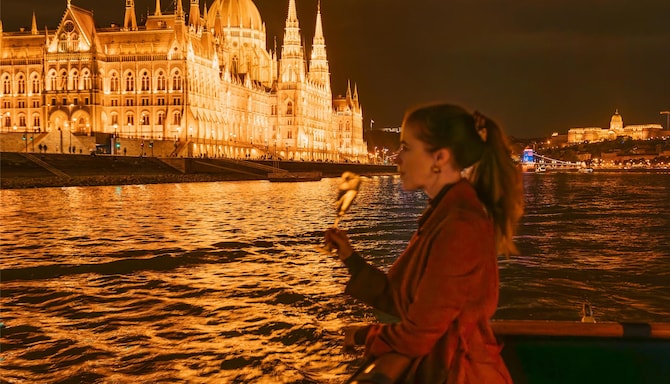
| Danube river cruise | See the bridges and landmarks glow from the water at night | 1–2 hours | Couples and first-time visitors |
| Great Market Hall | Browse paprika, salami, and street food under one roof | 1–2 hours | Food lovers and shoppers |
| Ruin bars in the Jewish Quarter | Drink in quirky bars set in old courtyards and buildings | 2–3 hours | Nightlife lovers and groups |
| Dohany Street Synagogue | Visit Europe's largest synagogue and its memorial garden | 1–2 hours | History and culture lovers |
| Gellert Hill and the Citadel | Hike up for wide city views from the renewed hilltop fortress | 1.5–2 hours | Active travelers and photographers |
A little local know-how makes a visit to Budapest smoother. Greet people with "jó napot" (good day) in shops, and say "köszönöm" (thank you) as you leave.
Hungary uses the forint (HUF), not the euro. Cards are widely accepted, but carry some cash for markets and small shops.
In restaurants, a tip of 10–15% is customary. Check your bill first, as a service charge is sometimes already added.
Cover your shoulders and knees at religious sites. At thermal baths, bring swimwear and flip-flops.
Budapest's history is written across both banks of the Danube. In Buda, the Castle Quarter brings together the Royal Palace, Matthias Church, and Fisherman's Bastion.
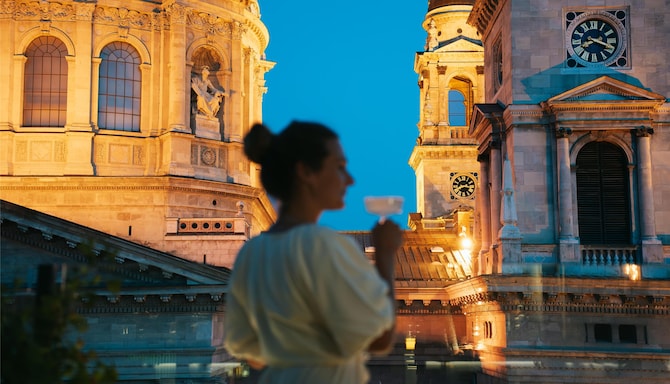
In Pest, the Hungarian Parliament Building and St Stephen's Basilica shape the skyline. Nearby, the Shoes on the Danube Bank memorial is a quiet place for reflection.
Walk Andrassy Avenue, lined with elegant mansions and the Hungarian State Opera, to reach Heroes' Square. For deeper context, visit the Hungarian National Museum or the House of Terror.
Budapest sits on natural hot springs, and bathing is part of local life. A visit to a thermal bath is one of the most relaxing ways to experience the city.
The Szechenyi Thermal Bath in City Park is one of Europe's largest, with outdoor pools open year-round. The Rudas Baths combine a 16th-century Ottoman dome with a rooftop pool.
For a quieter visit, try the Lukacs Baths, popular with locals. Bring swimwear, flip-flops, and a towel, and book ahead at busy times.
The Gellert Baths are closed for renovation, with reopening planned for around 2028.
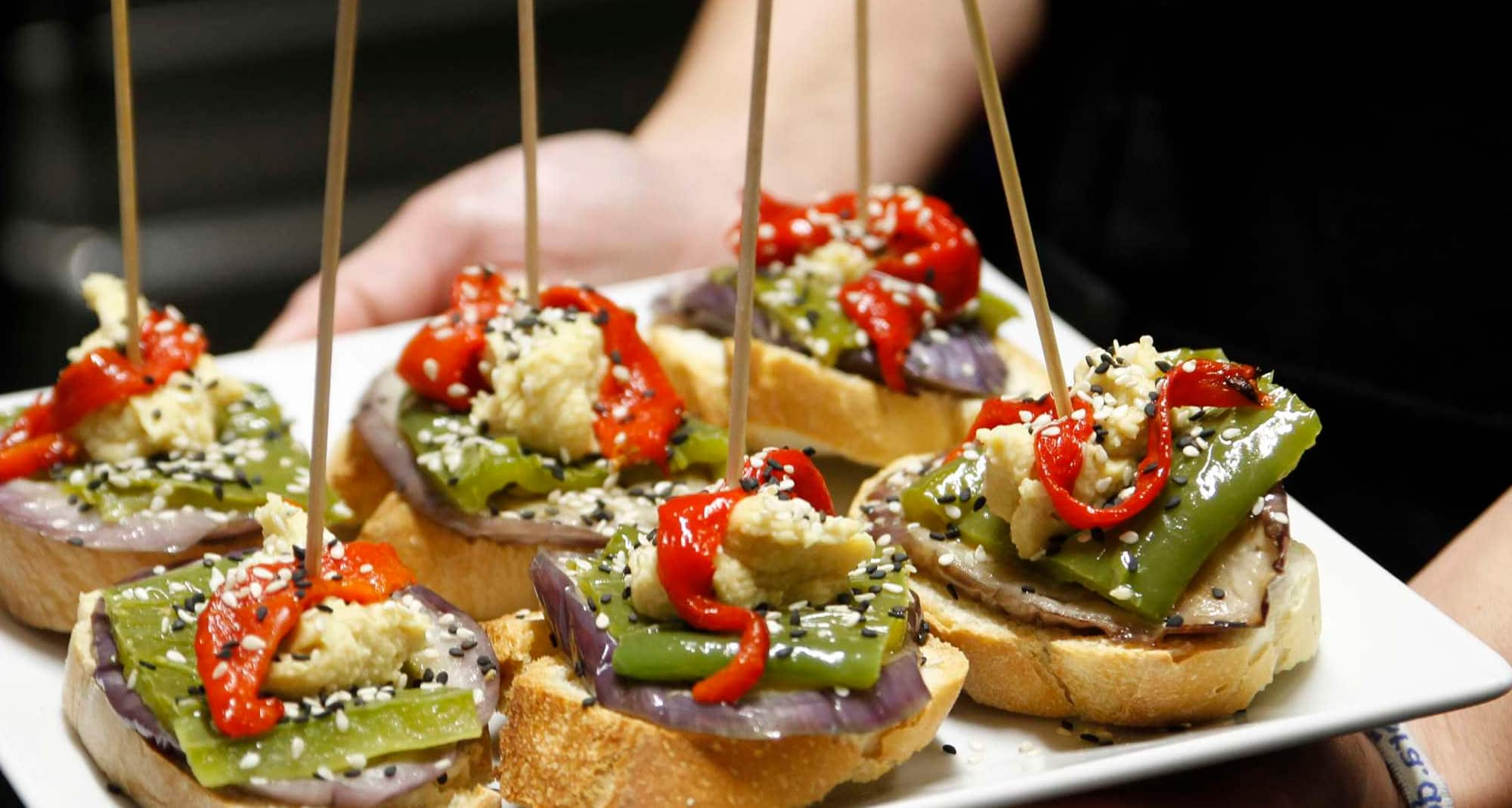
Hungarian food is hearty and full of paprika. Start with goulash, a rich beef soup, or chicken paprikash with small egg dumplings.
At the Great Market Hall, browse paprika, salami, and pickles, then try langos, a fried flatbread topped with sour cream and cheese. For something sweet, look for chimney cake or Dobos torte.
Budapest's grand coffeehouses suit a slow afternoon. In the evening, sample Hungarian wines such as Tokaji, or try palinka, a local fruit brandy.
Budapest's nightlife centers on the Jewish Quarter in District VII. Here, ruin bars fill old buildings and courtyards with mismatched furniture, art, and music.
Szimpla Kert is the best known, with many smaller bars nearby. Gozsdu Courtyard links streets of restaurants and bars.
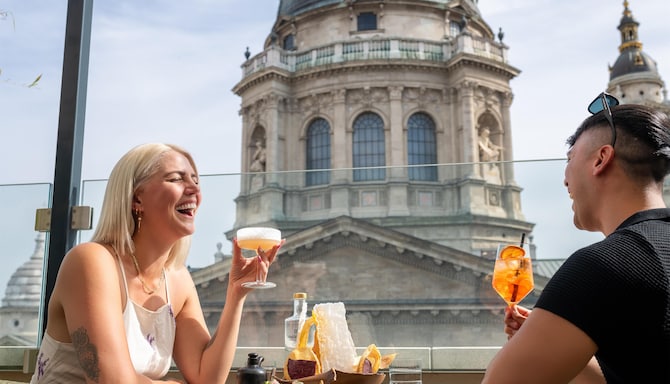
For a calmer evening, try a rooftop bar with river or city views, or see a show at the Hungarian State Opera.
The Danube is at the heart of Budapest. Stroll the riverbanks, cross the bridges on foot, or take a cruise.
Margaret Island offers quiet paths, gardens, a running track, and a musical fountain. Gellert Hill rewards a short climb with wide views from the Citadel.
The Buda Hills have forest trails and lookout towers. Further north, the Danube Bend is an easy day trip to Szentendre, Visegrad, and Esztergom.
Budapest is easy to enjoy with children, with plenty of parks, playgrounds, and short, fun attractions.
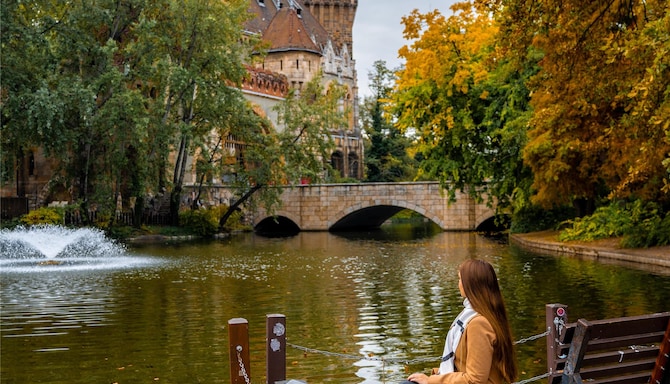
In City Park, visit the Budapest Zoo and Botanical Garden, explore Vajdahunyad Castle, or go boating on the lake in summer. In winter, the lake turns into a large outdoor ice rink.
The Children's Railway in the Buda Hills is staffed by children under adult supervision. Kids also love the musical fountain on Margaret Island and the Palatinus outdoor pools in summer.
Public transport is free for children under six.
Two to three days is enough to see Budapest's main sights, enjoy a thermal bath, and explore both Buda and Pest. With four days or more, you can add a day trip to the Danube Bend.
Hungary uses the Hungarian forint (HUF), not the euro. Some tourist businesses accept euros, often at a less favorable rate, so paying in forints or by card is usually the better choice.
Yes, English is widely spoken in hotels, restaurants, and major attractions, especially by younger people. Hungarian is the official language, so a friendly "köszönöm" (thank you) is always appreciated.
The 100E Airport Express bus connects Budapest Ferenc Liszt International Airport with the city center in about 40 minutes, and it needs its own ticket. Licensed taxis and ride-hailing services are also available at arrivals.
Budapest is generally considered a safe city for visitors. As in any big city, watch your belongings in crowded areas and on public transport, and check prices before ordering in busy tourist areas.
A tip of 10–15% is customary in restaurants and cafes if you're happy with the service. Check your bill first, as many restaurants already include a service charge.
Bring swimwear, flip-flops, and a towel, or rent them on site where available. A swim cap is usually required in the swimming pools, but not in the thermal pools.
Yes, tap water in Budapest is safe to drink. Bring a refillable bottle, as you'll find public drinking fountains around the city, especially in warmer months.
Budapest was formed in 1873 when Buda, Obuda, and Pest united. Hilly Buda, on the west bank of the Danube, is home to the castle, while flat Pest, on the east bank, holds the Parliament, main shopping streets, and most of the nightlife.