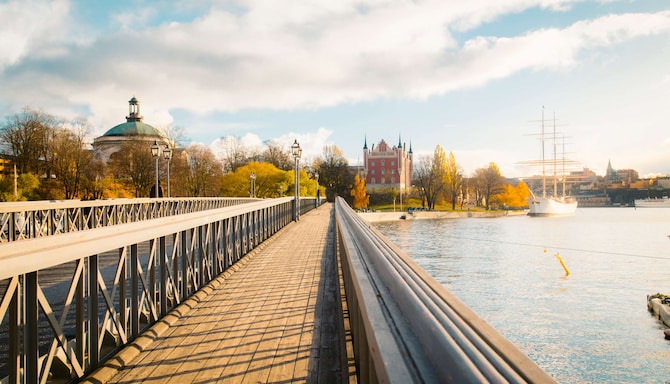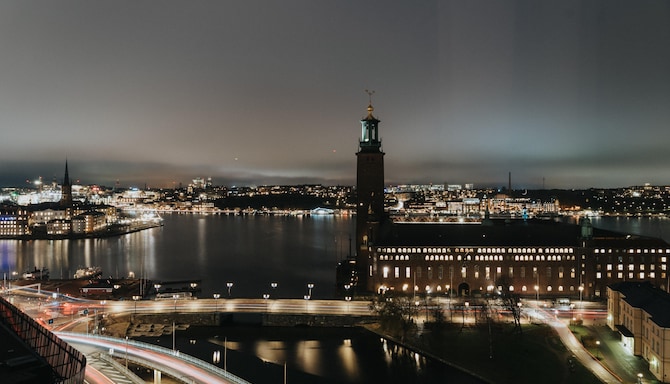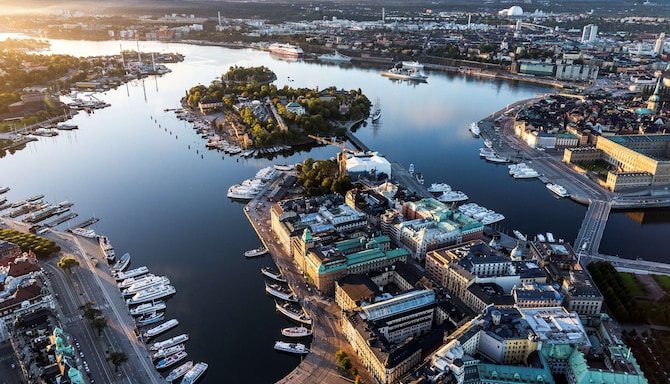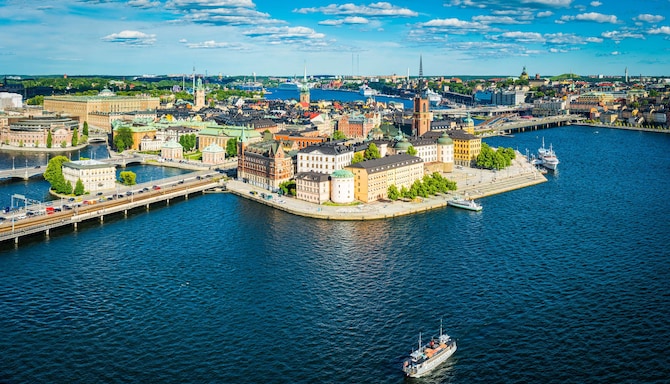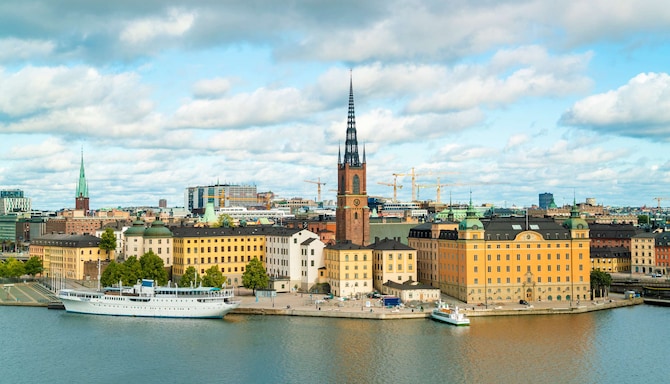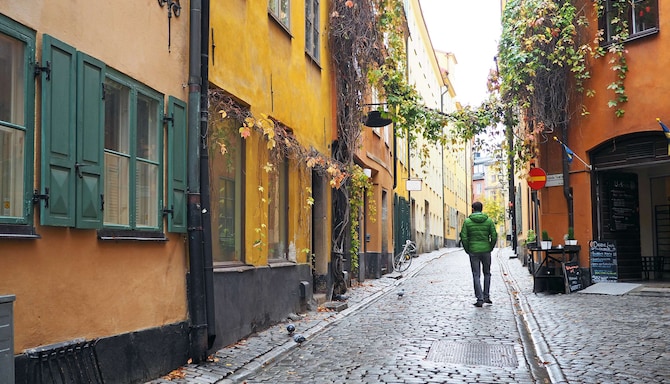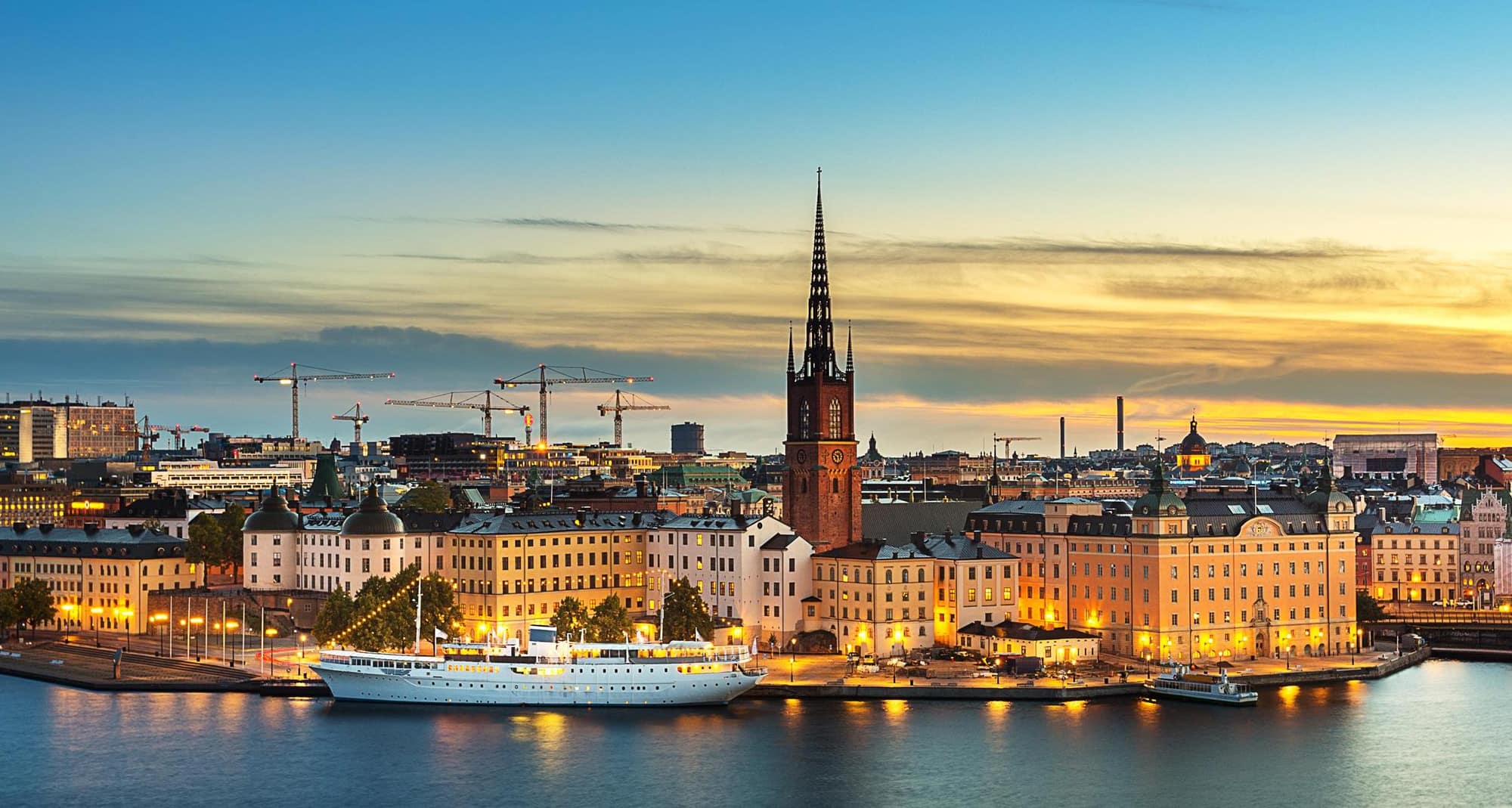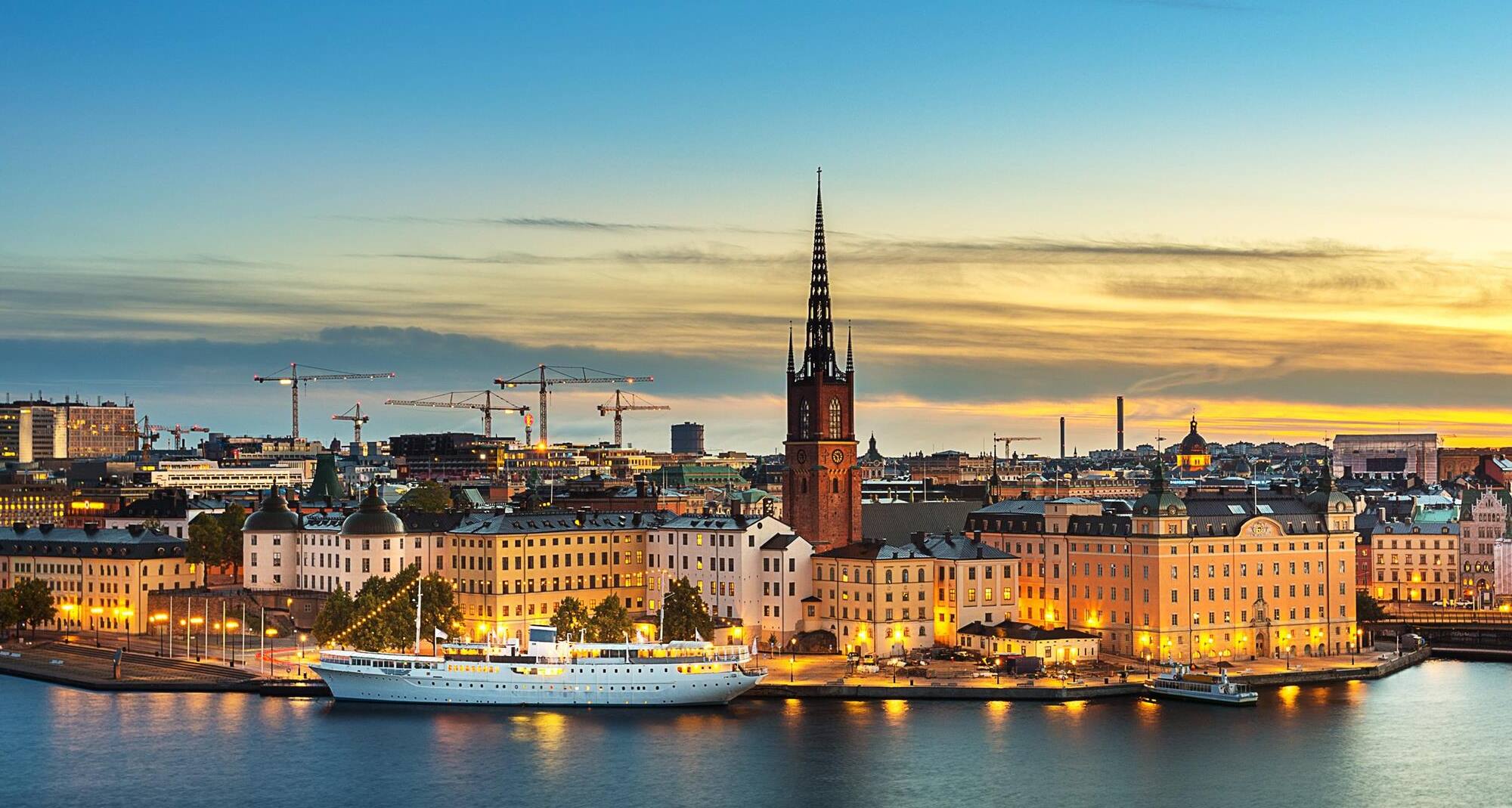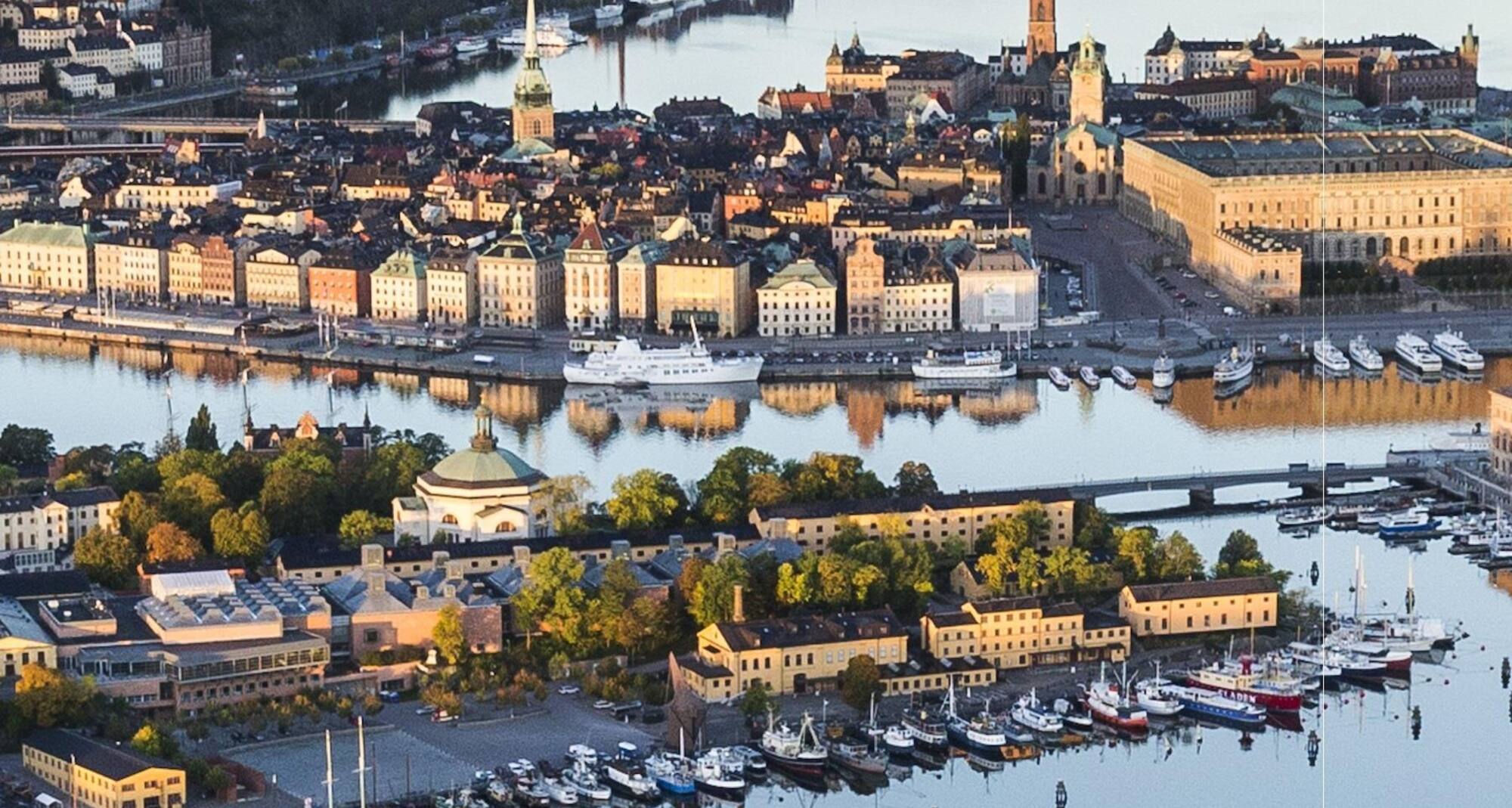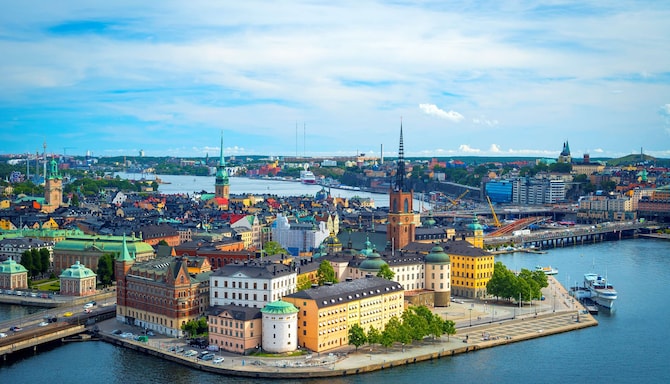
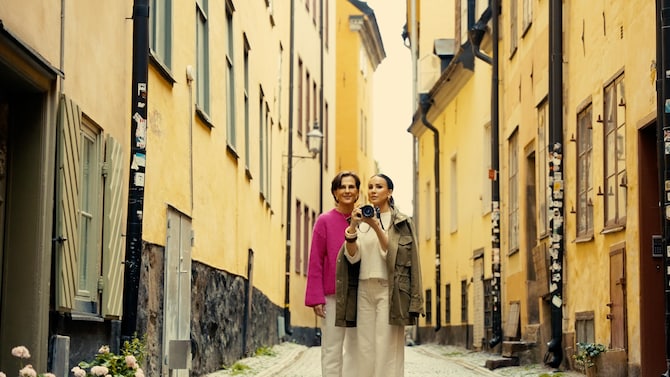
Move from Gamla Stan to the Royal Palace, Stockholm City Hall, and Drottningholm Palace.
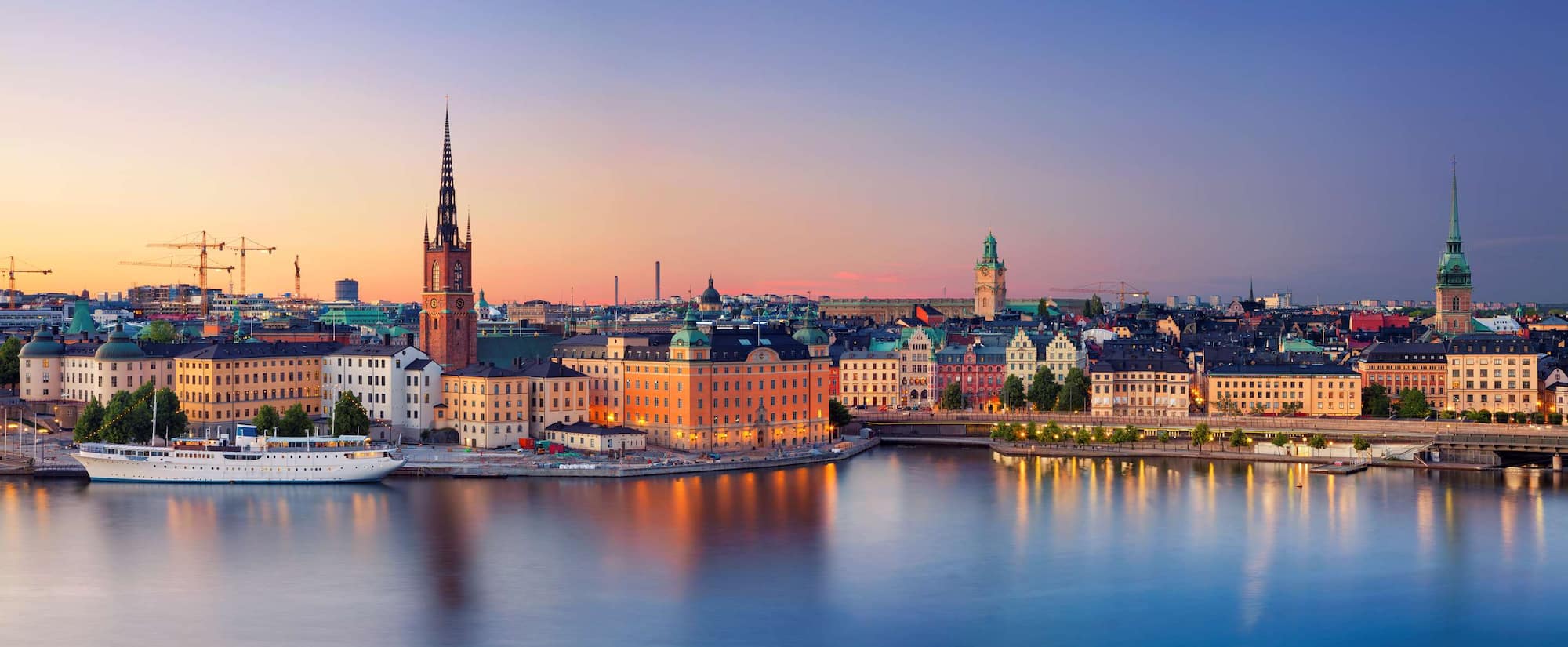
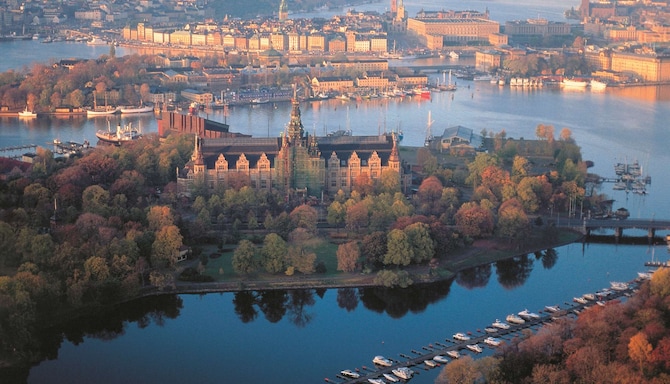
Stockholm rewards travelers who like water, history, and quiet design. Sweden's capital is built across 14 islands connected by 57 bridges, where royal palaces, island museums, and archipelago views sit close together.
From planning your stay with Radisson Hotels to exploring Gamla Stan, the Royal Palace, the Vasa Museum, Skansen, and the wider Stockholm Archipelago, this guide gathers the city's most useful ideas.
Walk the cobbled lanes of the Old Town, watch the Changing of the Guard, ride the art-filled metro, pause for fika, and leave room for a day trip to Drottningholm Palace or out among the islands. It suits first-time visitors, families, culture seekers, and travelers who want a polished city break with room to slow down.
Stockholm combines island geography, royal history, and easy public transport.
Season | Best for | Travel tip |
|---|---|---|
Spring (March–May) | Quieter sightseeing, mild walks, fewer crowds | Pack layers for cool mornings and enjoy quieter museums before summer crowds arrive. |
Summer (June–August) | Long daylight, archipelago boats, outdoor dining | Book central hotels early, and make time for a Midsummer or archipelago boat trip. |
Autumn (September–November) | Fewer crowds, museums, calmer island walks | Bring a warm layer and balance museum days with quieter walks around the islands. |
Winter (December–February) | Christmas markets, ice skating, Lucia, cozy museums | Dress warmly, check daylight hours, and balance Christmas markets with time indoors at museums. |
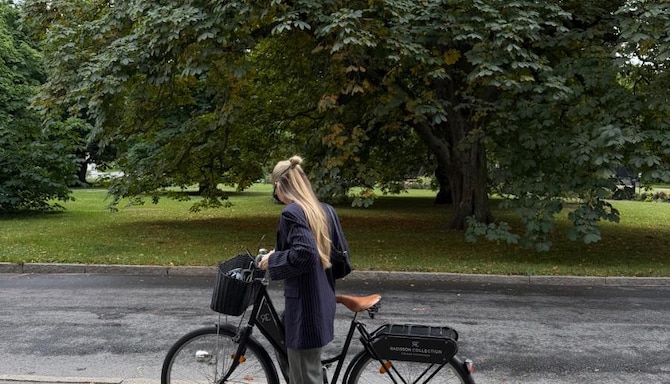
Stockholm is easiest to explore by combining walking, the Tunnelbana metro, trams, buses, and ferries. Central Stockholm is compact and walkable, with cycle paths linking most neighborhoods. Stockholm Public Transport (SL) covers all these modes on one ticket valid for 75 minutes, and the metro's 100 stations are known for their decorated platforms.
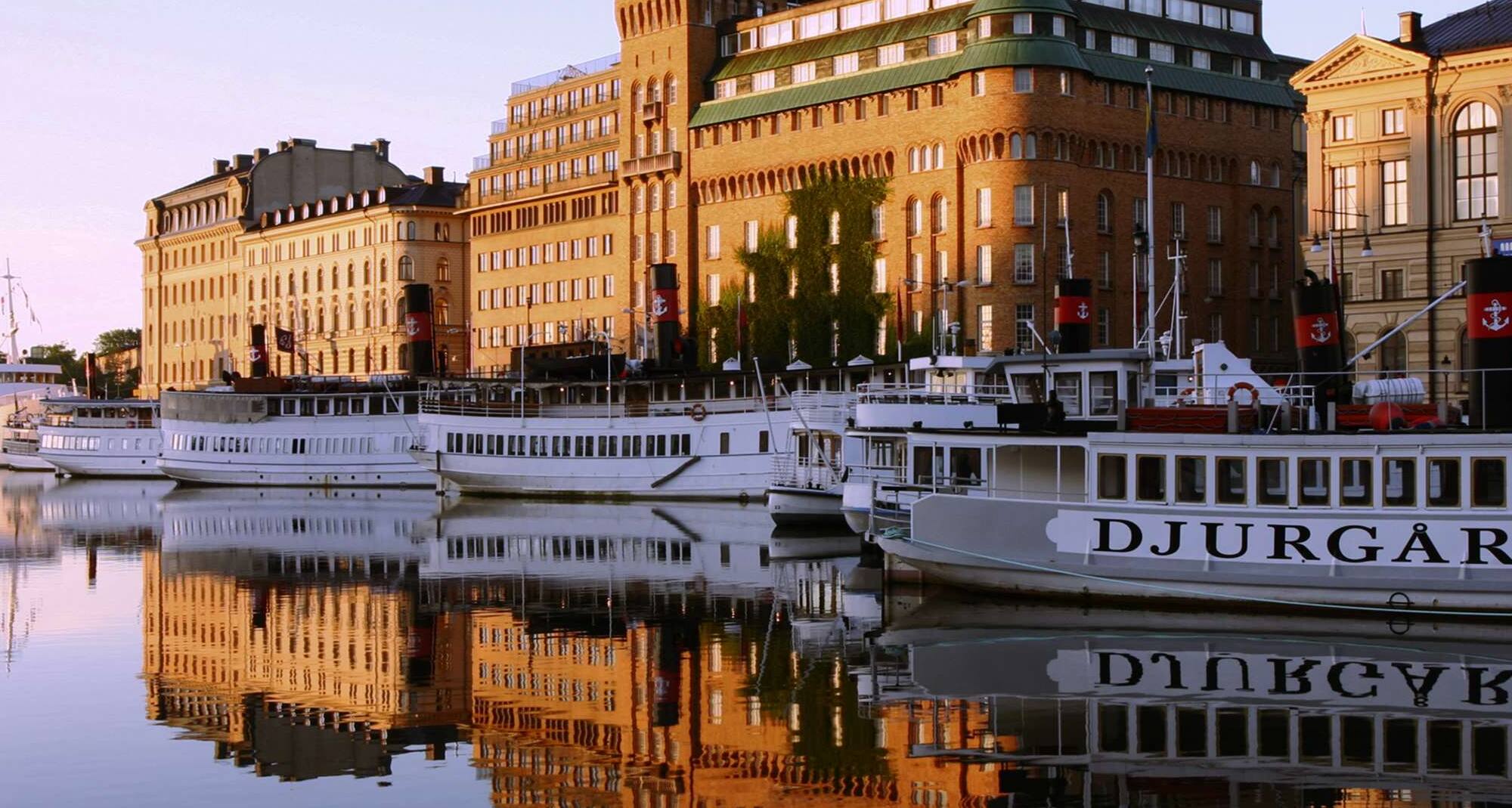
Stockholm Arlanda Airport, 40 kilometers north of the city, reaches Stockholm Central Station by Arlanda Express (18 minutes) or by slower SL commuter trains and airport coaches. Ferries link the center to Djurgården and the archipelago.
Choose from heritage-led, food-focused, family-friendly, culture-driven, evening, or day-trip exploration to create a Stockholm day that suits you. These ideas help you shape a trip with enough direction to use your time well, while leaving room for fika, waterfront views, island ferries, and unexpected discoveries.
Use these day plans to explore Stockholm without turning the city into a checklist. Each route groups nearby places so you spend less time crossing between islands and more time enjoying museums, palaces, waterfront views, and local atmosphere.
Add extra time for a fika break, a ferry ride, or a quiet waterside walk whenever something catches your attention. Stockholm is compact but spread across islands, so keep the structure flexible and book timed attractions ahead where needed.
Day 1
Day 2
For days one and two, follow the 2-day itinerary at a relaxed pace.
Day 3
| Idea | Why go? | Time needed | Best for |
|---|---|---|---|
| Vasa Museum | See the near-intact 17th-century warship Vasa up close | 1–2 hours | History fans, first-timers |
| Gamla Stan (Old Town) | Wander the city's oldest, most walkable medieval streets | 1–2 hours | First-timers, history lovers |
| The Royal Palace | Tour royal rooms and watch the daily Changing of the Guard | 1–2 hours | History and culture fans |
| Skansen Open-Air Museum | Walk centuries of Swedish history, plus a Nordic-animal zoo | 2–3 hours | Families, history lovers |
| Stockholm City Hall | See the Nobel banquet hall and climb the tower for views | 45 minutes | Architecture and history fans |
| Drottningholm Palace | Sweden's first UNESCO site, still home to the royal family | Half a day | History lovers, day-trippers |
| ABBA The Museum | Get hands-on with ABBA's costumes, gold records, and holograms | 1–2 hours | Music fans, families |
| Fotografiska | See rotating photography shows in a former customs house | 1–2 hours | Art and photography fans |
| Stockholm's Metro Art | Ride the metro's art-decorated stations, a gallery underground | 1–2 hours | Design fans, curious travelers |
| Nationalmuseum | See Swedish and European masters from the Middle Ages on | 1–2 hours | Art and design fans |
A simple "hej" works as a greeting in Stockholm at any time of day, and a firm handshake is standard when meeting someone new. Tipping is not expected in restaurants, since service charges are included in the bill, though rounding up or adding 5–10% for good service is appreciated.
Smart-casual dress suits most restaurants and museums, and punctuality is valued in both social and business settings. Cards and mobile payments are accepted almost everywhere, and some venues no longer take cash at all.
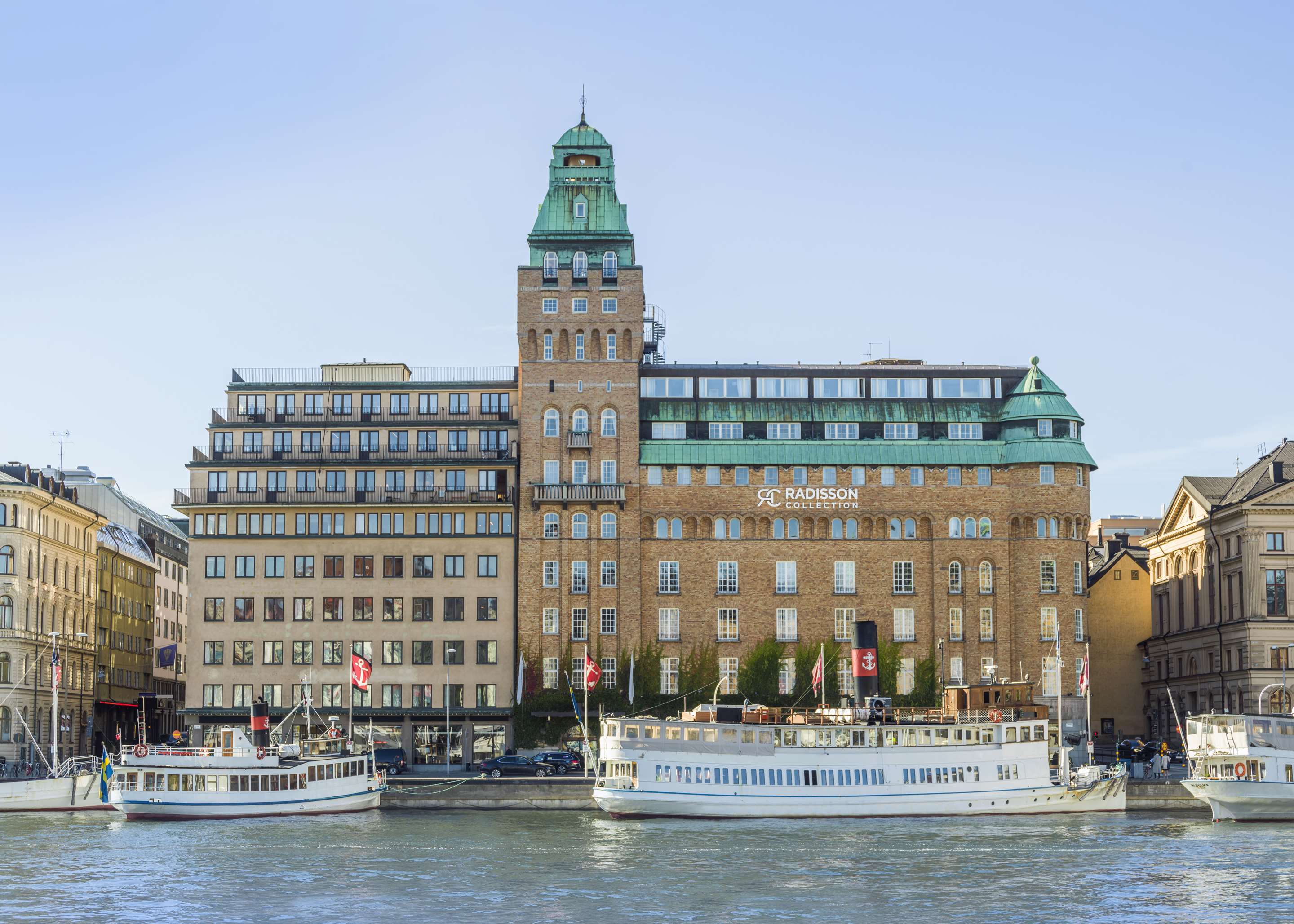
Stockholm is one of Europe's most rewarding cities for travelers who like water, history, and museums close together.
Start in Gamla Stan, the city's oldest district, then continue to the Royal Palace for the state rooms and the daily Changing of the Guard. Stockholm City Hall adds the Blue Hall, the Golden Hall, and a tower with panoramic views, while Drottningholm Palace, Sweden's first UNESCO World Heritage Site, makes an easy half-day trip.
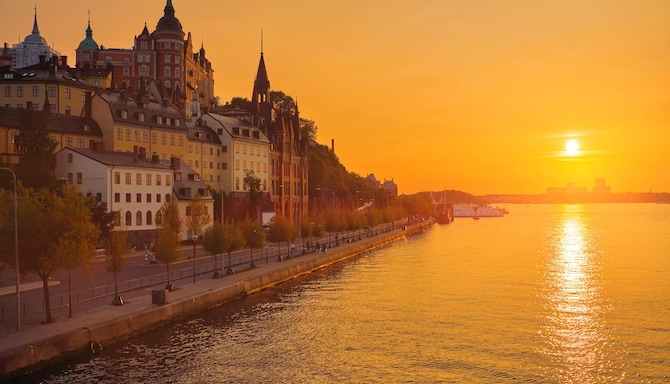
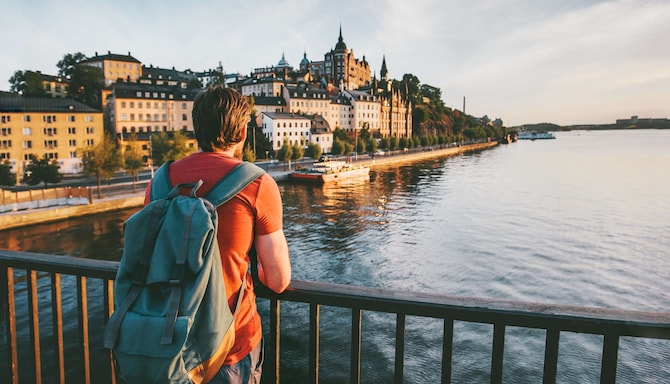
Instead of rushing from landmark to landmark, pause at Monteliusvägen for a quiet view over the rooftops and water below.
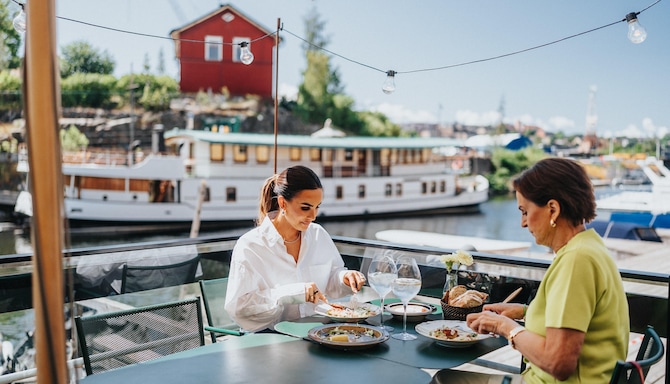
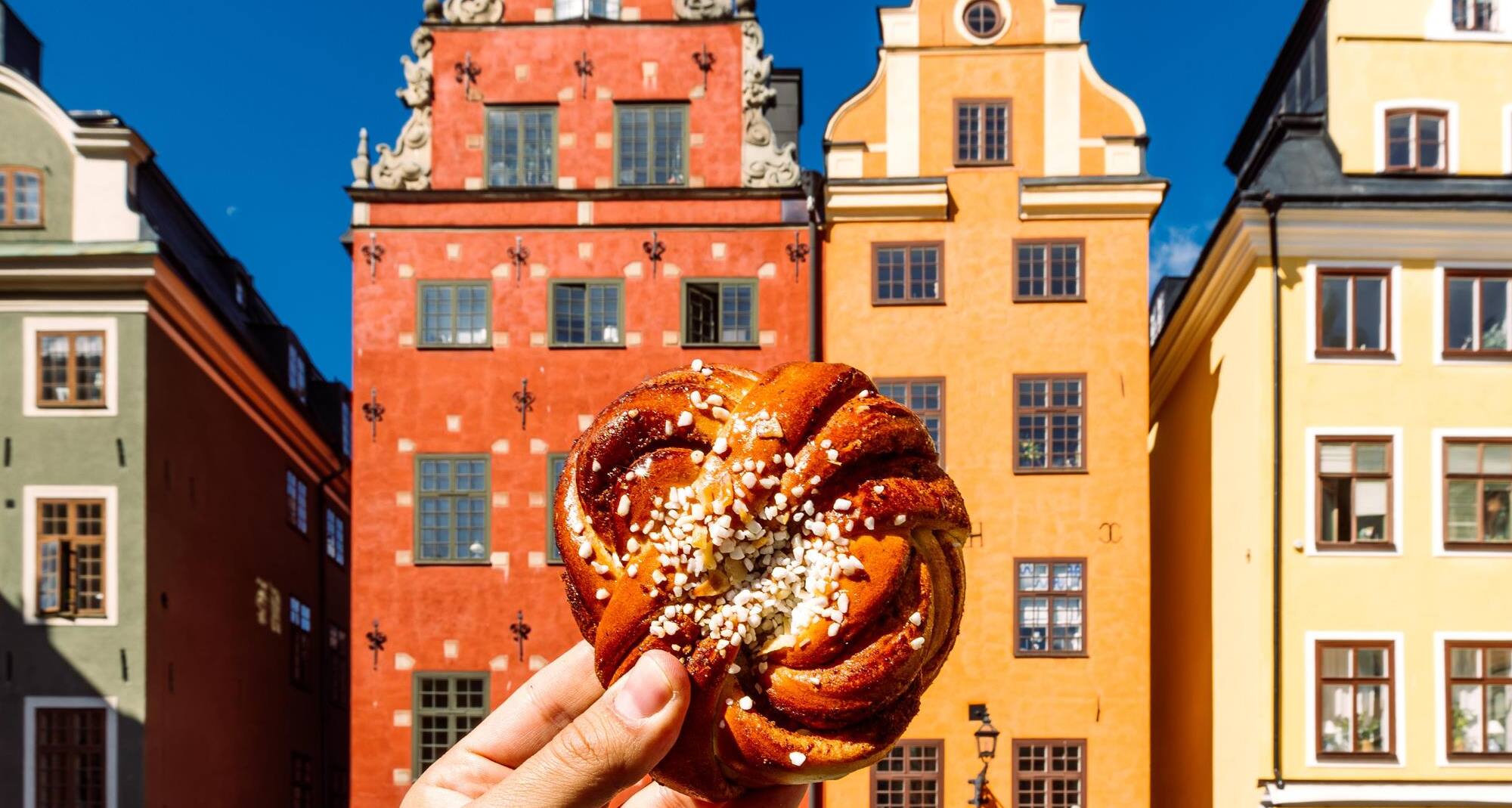
Come ready for simple, comforting Nordic food. Try Swedish meatballs, pickled herring, and cinnamon buns (kanelbullar), and build in time for fika, the Swedish coffee-and-pastry break that punctuates the day.
Fika is typically taken mid-morning or mid-afternoon, and it is as much about pausing and connecting as it is about the coffee itself. Restaurants and cafés across the city serve it, from busy central streets to quieter waterside tables.
Cards and mobile payments are accepted almost everywhere, so a fika stop rarely needs cash.
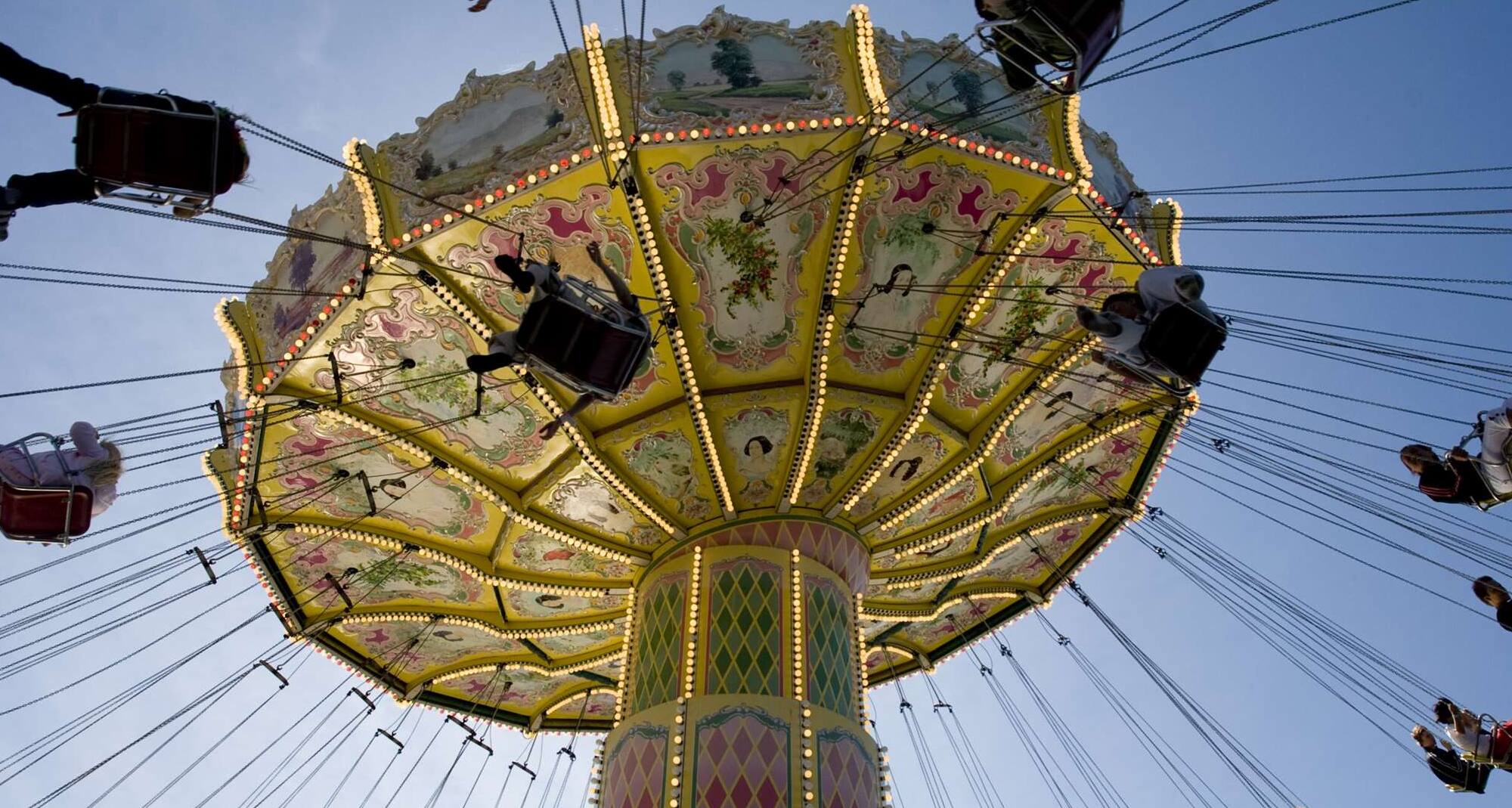
Stockholm works well for families because public transport is easy, the city is compact, and many major sights can be paced gently. Children often enjoy Junibacken's Story Train through Astrid Lindgren's stories, Gröna Lund's rides, and Skansen's zoo and children's petting zoo.
The Vasa Museum has its own family trail through the ship's story, and Djurgården's green paths give easy breaks between stops.
For museum days, choose one major stop at a time, then add a ferry ride, a fika stop, or an outdoor walk so the city feels fun rather than formal.
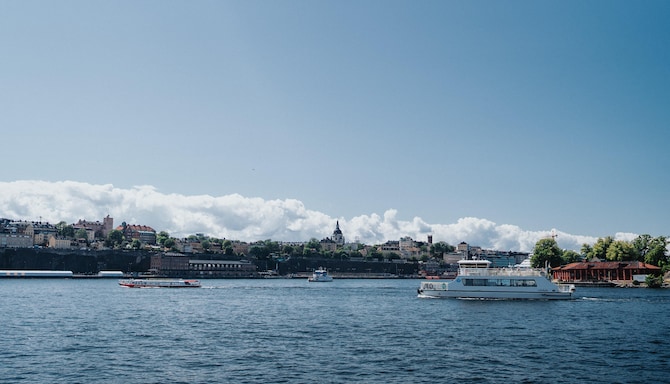
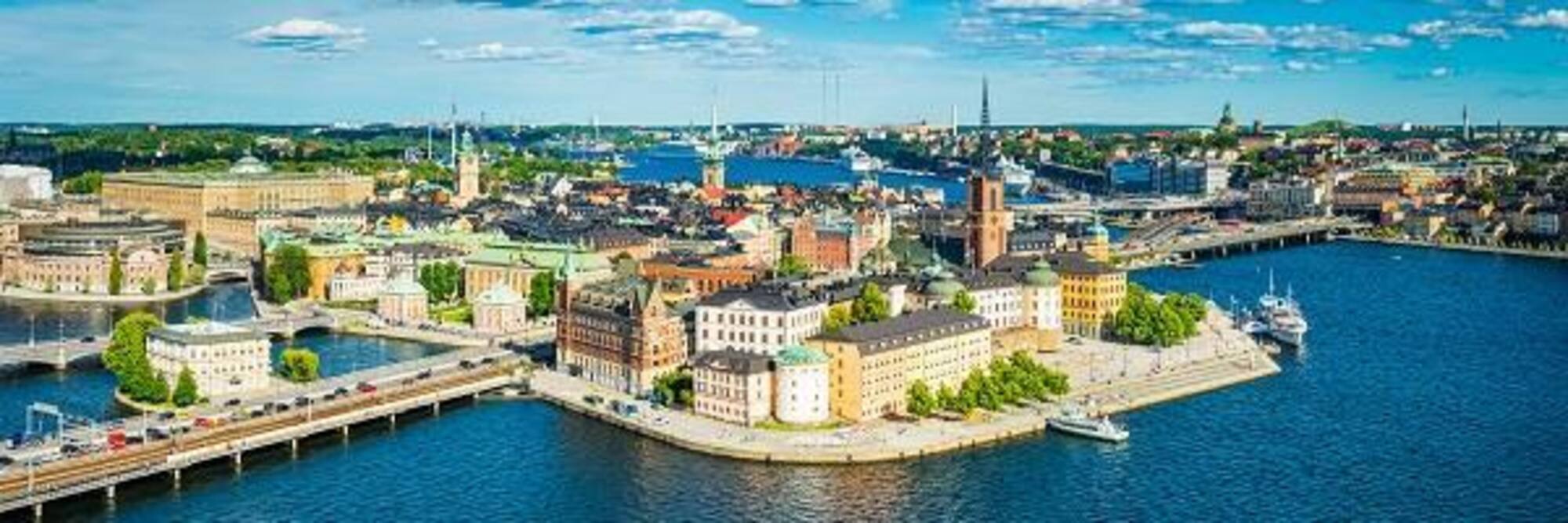
Stockholm is built across 14 islands connected by 57 bridges, where Lake Mälaren meets the Baltic Sea.
The Royal National City Park, established in 1995 as the first urban national park of its kind, covers much of Djurgården, home to Skansen, Gröna Lund, and quiet paths.
The Stockholm Archipelago adds roughly 30,000 islands, with ferries reaching the nearest ones in about 20 minutes. For a quieter view, walk Monteliusvägen in Södermalm, overlooking Kungsholmen, City Hall, and Gamla Stan.
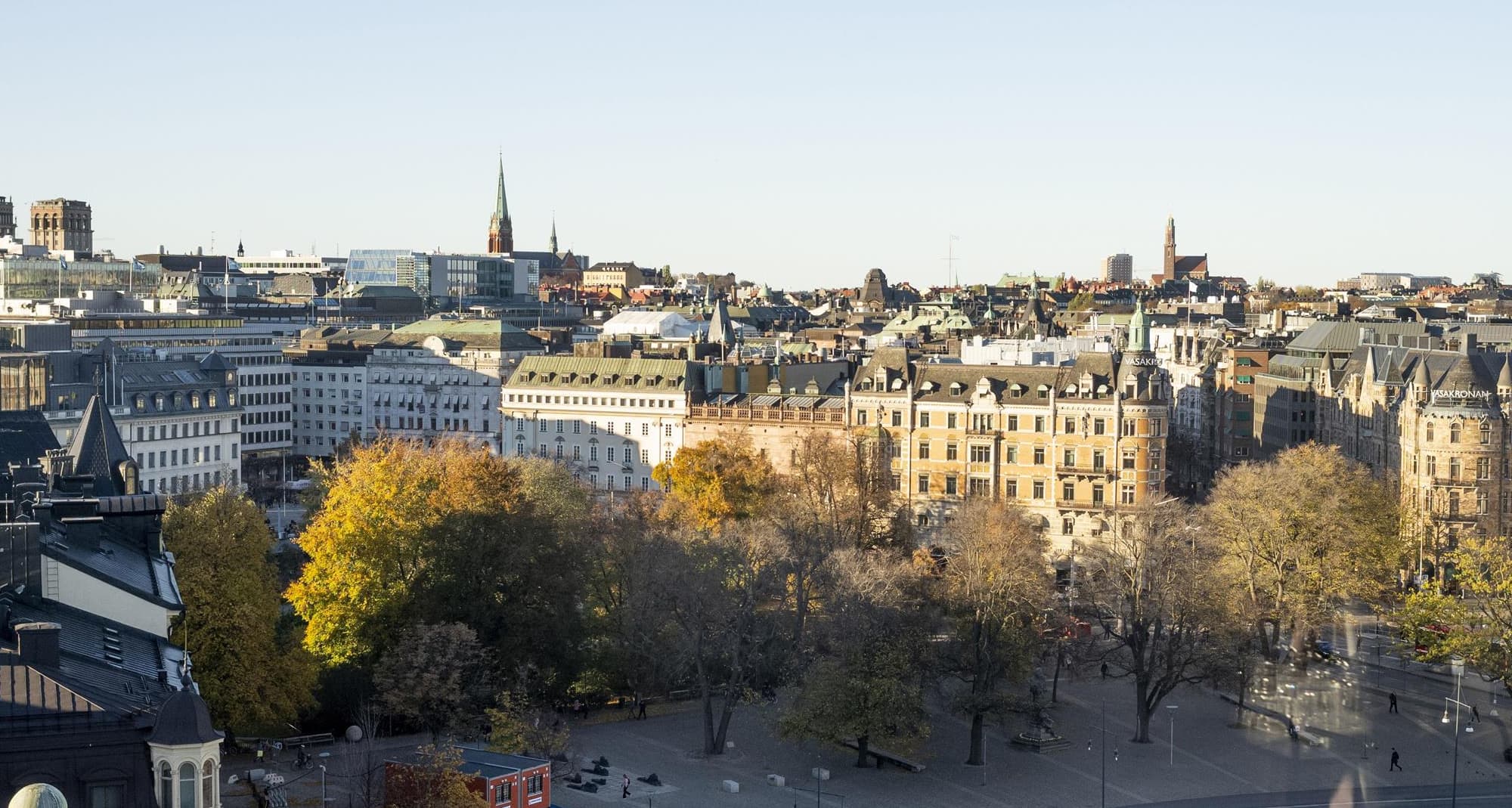
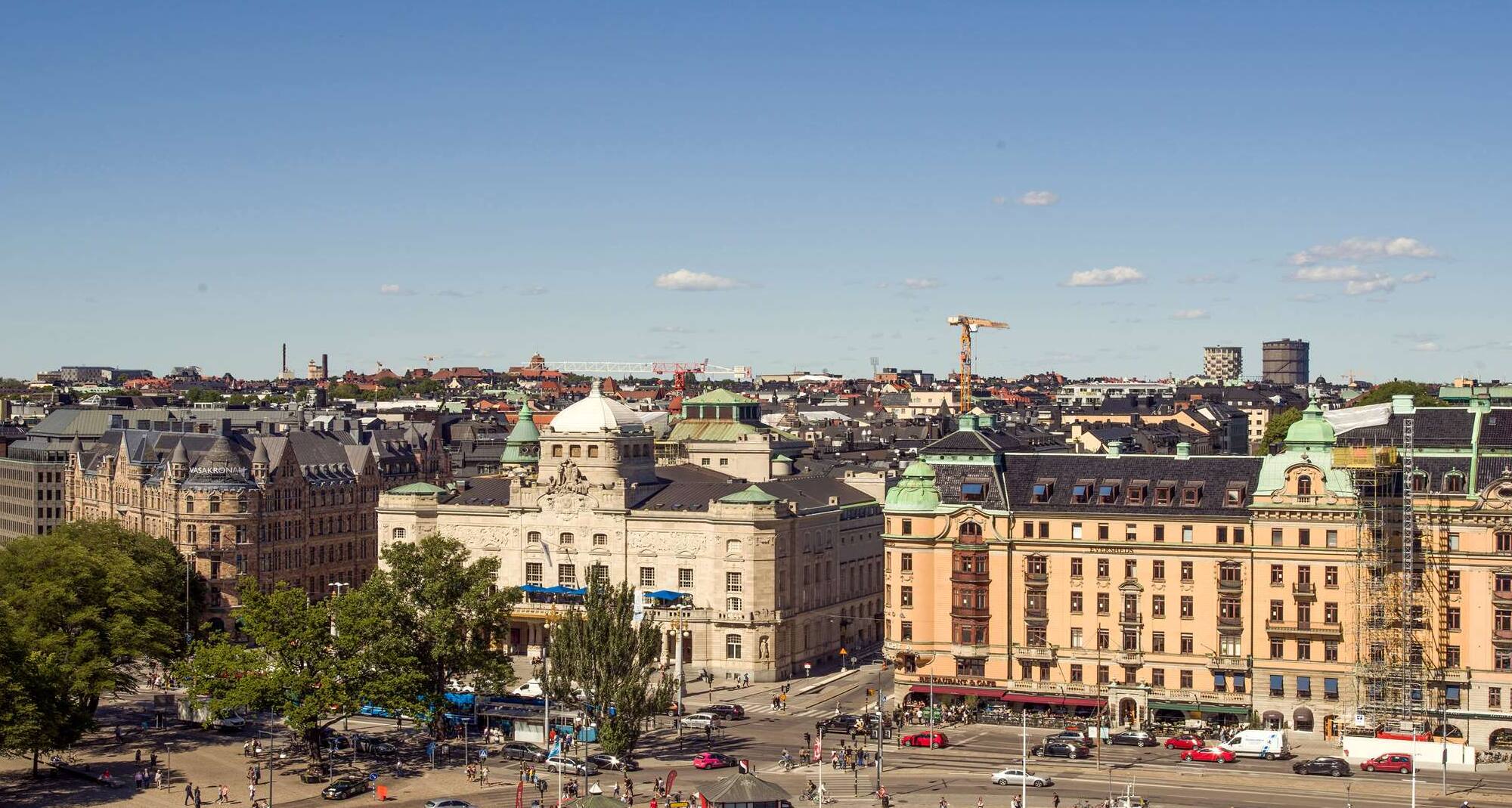
Norrmalm is Stockholm's main shopping and city-center district, with a fast-paced, big-city energy that makes it an easy base for browsing between sights. Östermalm has a more elegant character, with upscale shopping and dining that suit a slower afternoon.
Cards and mobile payments are accepted almost everywhere, so a shopping stop rarely needs cash. Pair any errands with a fika break, since cafés are easy to find in both districts and make a natural pause between stops.
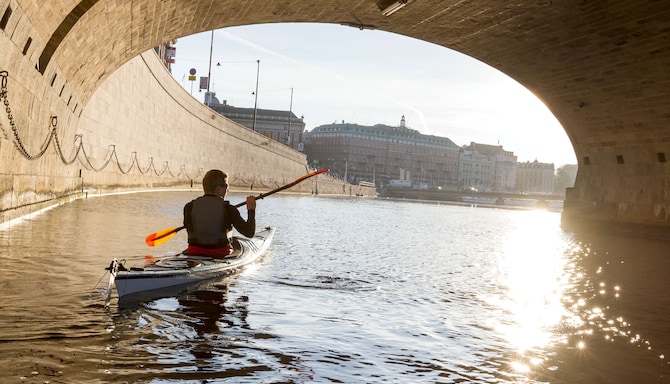
Stockholm is a practical base for easy escapes onto the water. Drottningholm Palace, Sweden's first UNESCO World Heritage Site, makes a classic half-day trip by boat or short drive, with a Baroque garden, the Chinese Pavilion, and an 18th-century Palace Theatre still using much of its original stage machinery.
Beyond the palace, the Stockholm Archipelago opens up roughly 30,000 islands, with ferries reaching the nearest ones in about 20 minutes from the city center.
Balance a full day trip with a lighter morning in the city, a fika stop, and a relaxed return by boat or train.