These two museums are inside a building that dates back to the turn of the 20th century and showcase local culture and heritage over various exhibits, highlighting everything from textiles to paintings and sculptures.
While visiting Transylvania, make your way to this jawdropping, 14th-century castle and wander the halls that some believe helped inspire Bram Stoker's book, Dracula. Today the castle is a museum that showcases the art and furniture of Queen Marie, Romania's last queen.
Known locally as Piața Sfatului, this vibrant square marks the city's center and is home to Brașov's Town Hall. Browse the markets, enjoy a snack or drink at an outdoor terrace, and explore the nearby landmarks, including The Museum of Urban Civilization and The Black Church.
Learn about Transylvania and Brașov's history and historical identity at this unique museum with permanent and temporary exhibits housed inside the former Council House.
Brașov's medieval fortress on Stronghold Hill dates back to the 16th century and offers views of the city and the surrounding countryside. Enjoy a scenic walk around this historic landmark.
Nestled into the mountains and roughly 10 kilometers from Brașov city, this neighborhood and ski resort offers slopes for all levels of skiers. In the winter, the picture-perfect location looks like a Christmas village, but visitors enjoy it in summer too for hiking and nature photography.
This medieval fortress once stood as a defense for local citizens from invasions. Today the historic landmark offers a lovely spot for photographs, and visitors can buy souvenirs from local vendors.
Also known as Strada Sforii, this is not only Brașov's narrowest road but one of the narrowest in Europe. Historically designed as a route for firefighters, it is now a favorite path for leisurely strolls and unique photography.
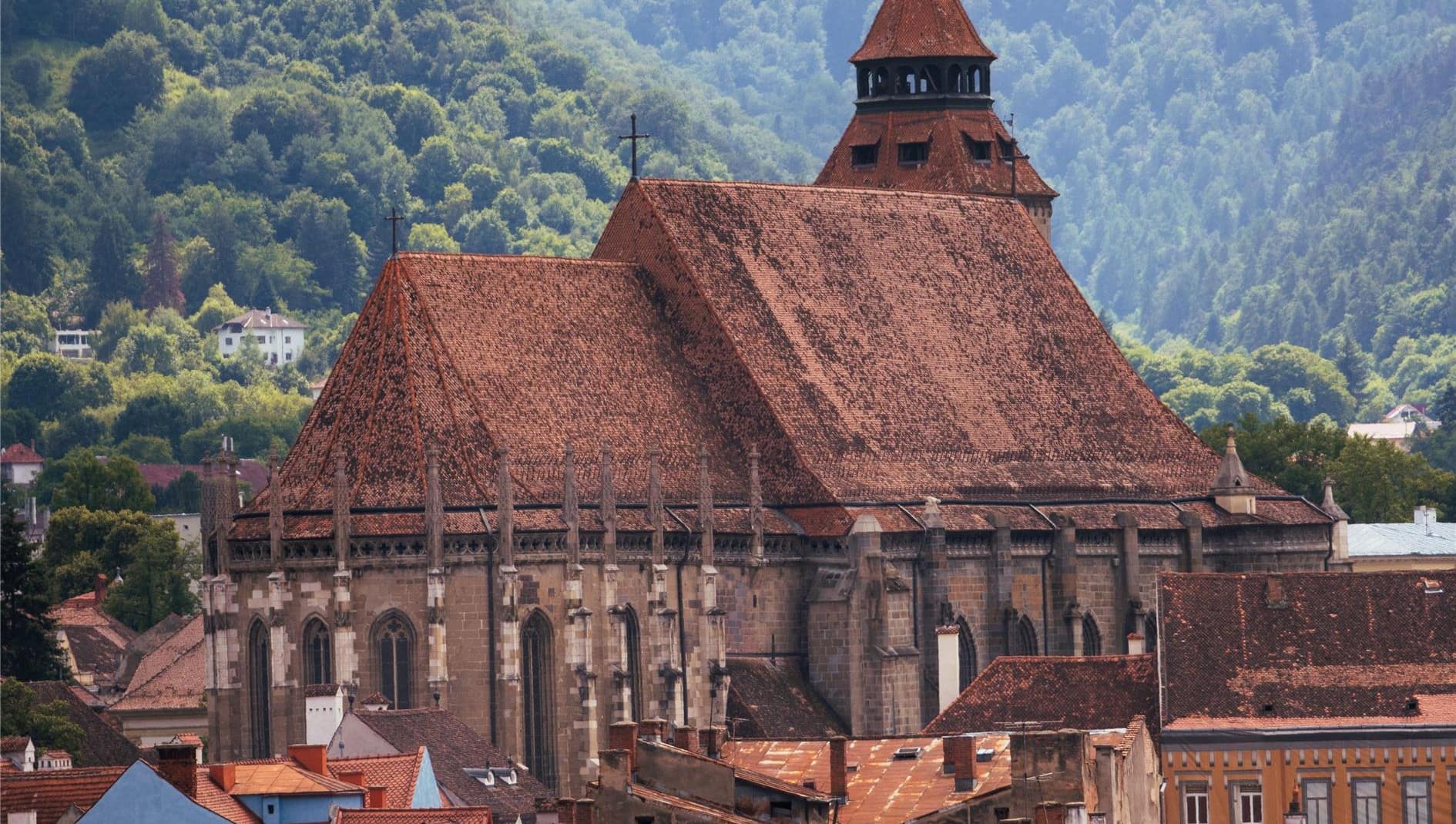
A trip to Brașov isn't complete without visiting The Black Church. Dating back to the 15th century, the church showcases stunning gothic architecture, in addition to sculptures, murals, ornate rugs, and other features that span medieval times to the 20th-century.