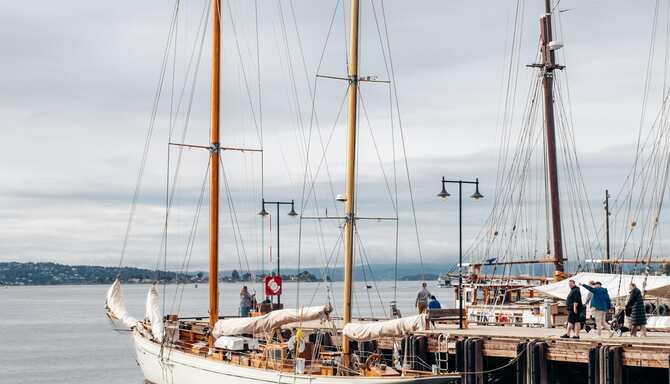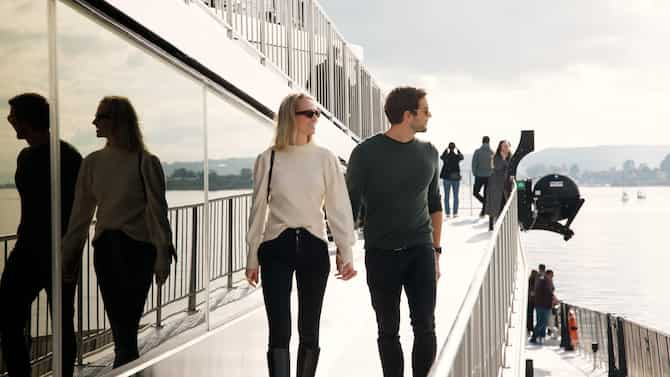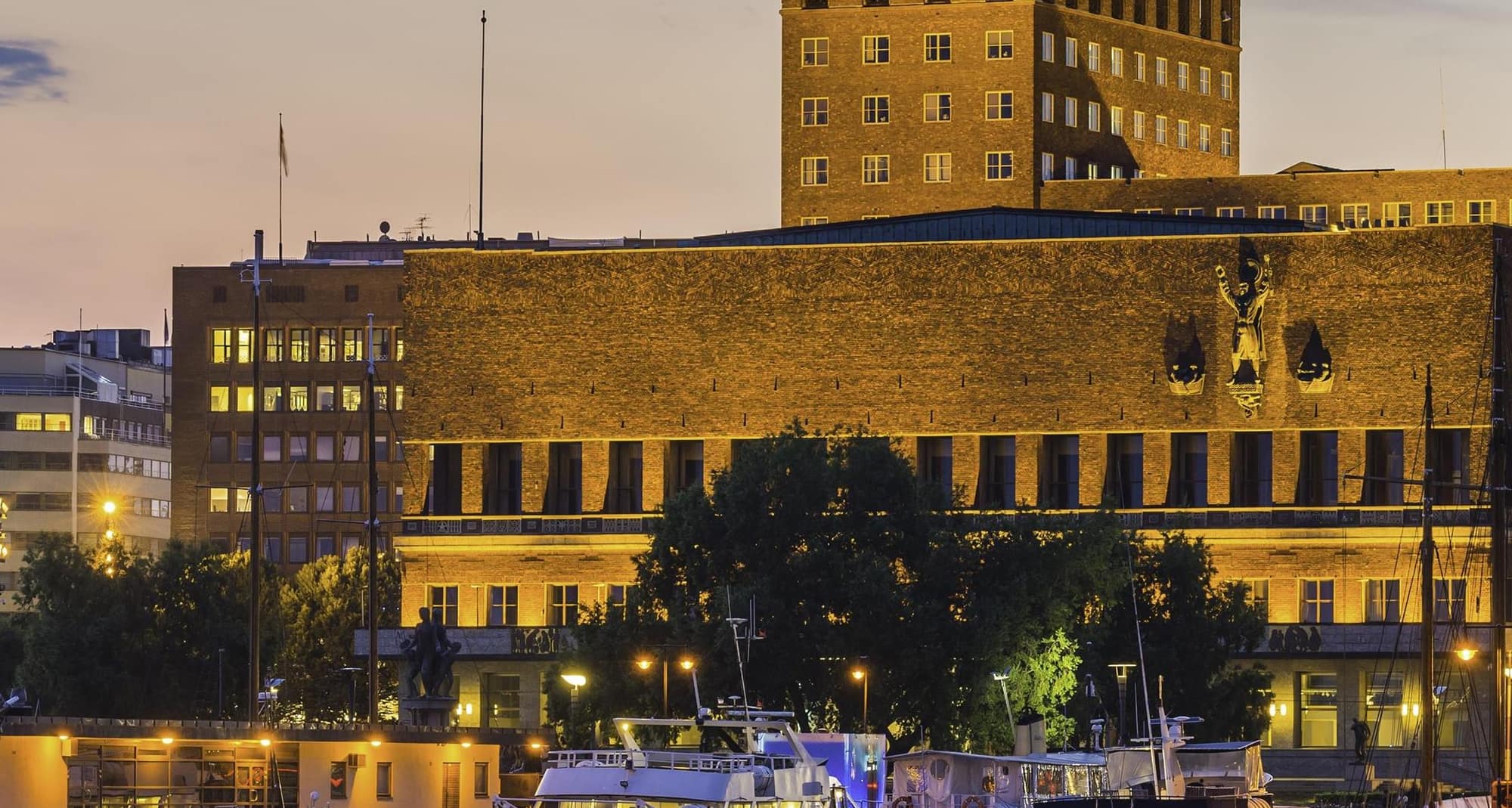
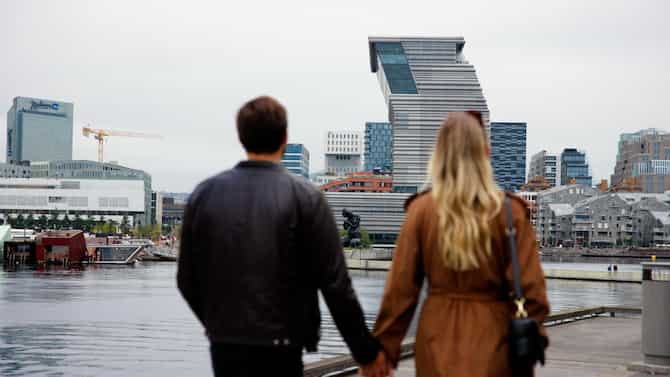
Walk from Akershus Fortress to the Royal Palace, Karl Johans gate, and open-air Norsk Folkemuseum.
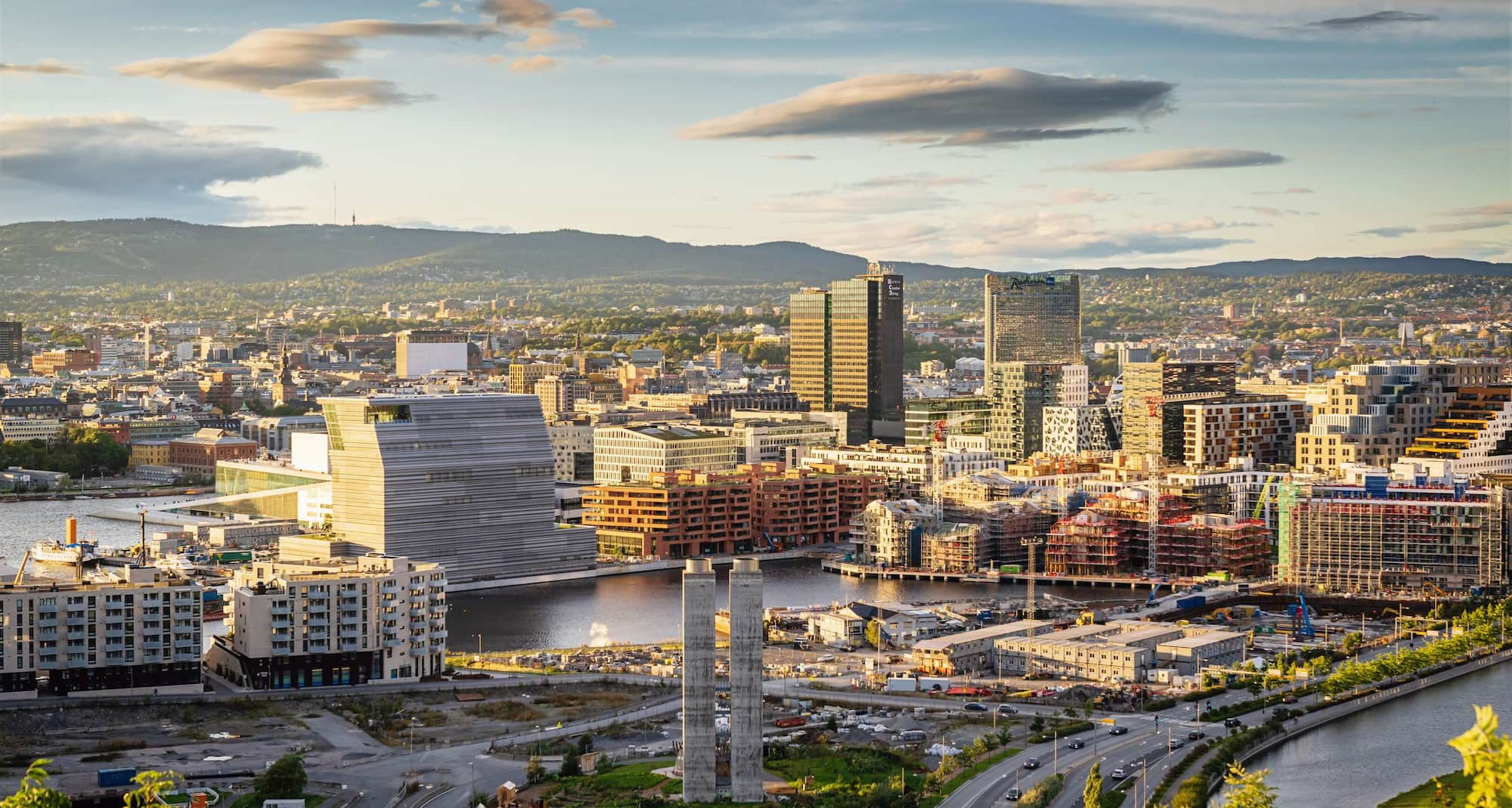
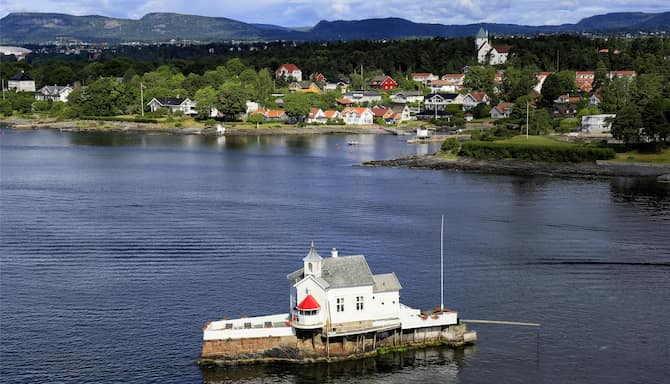
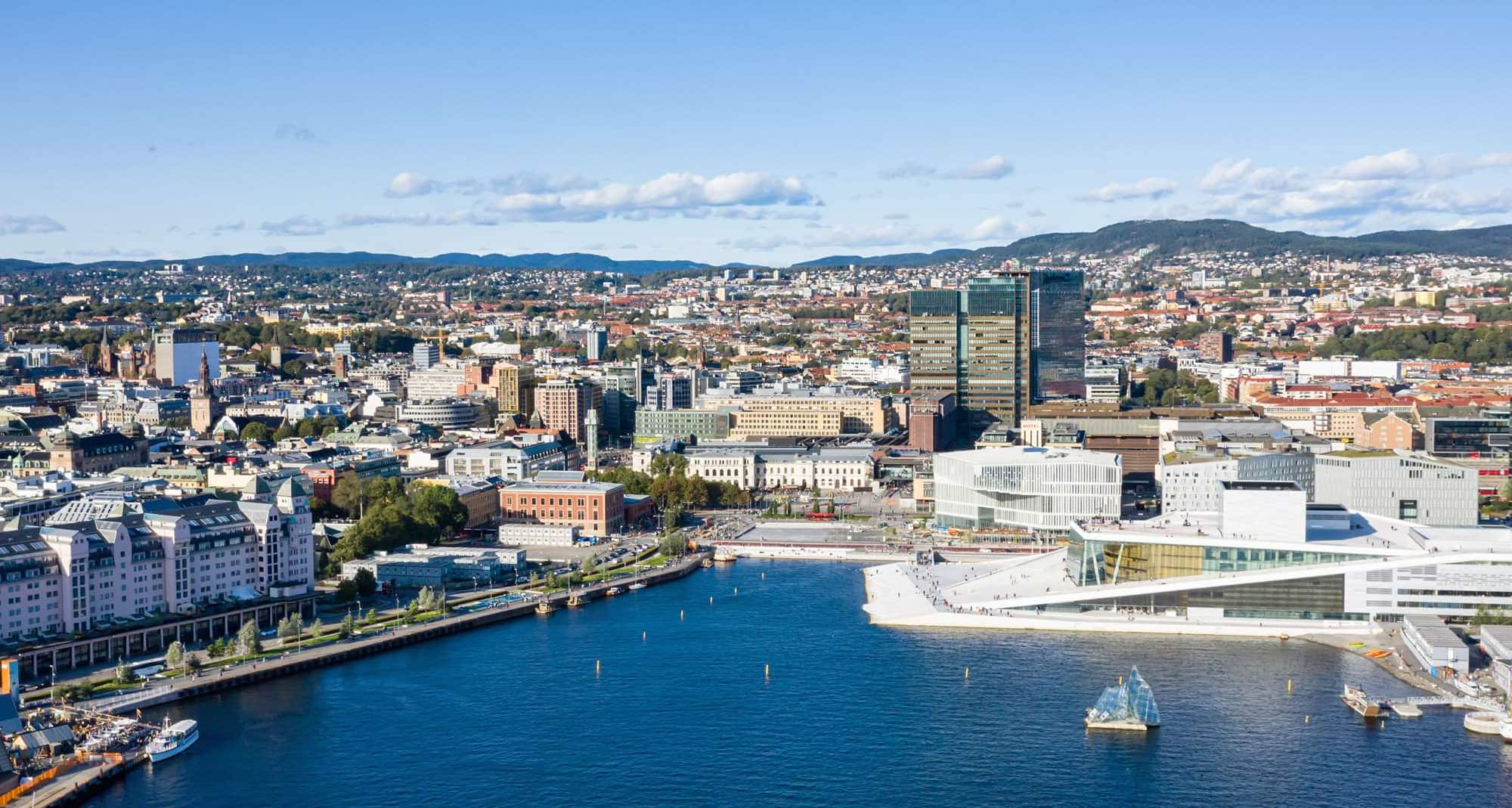
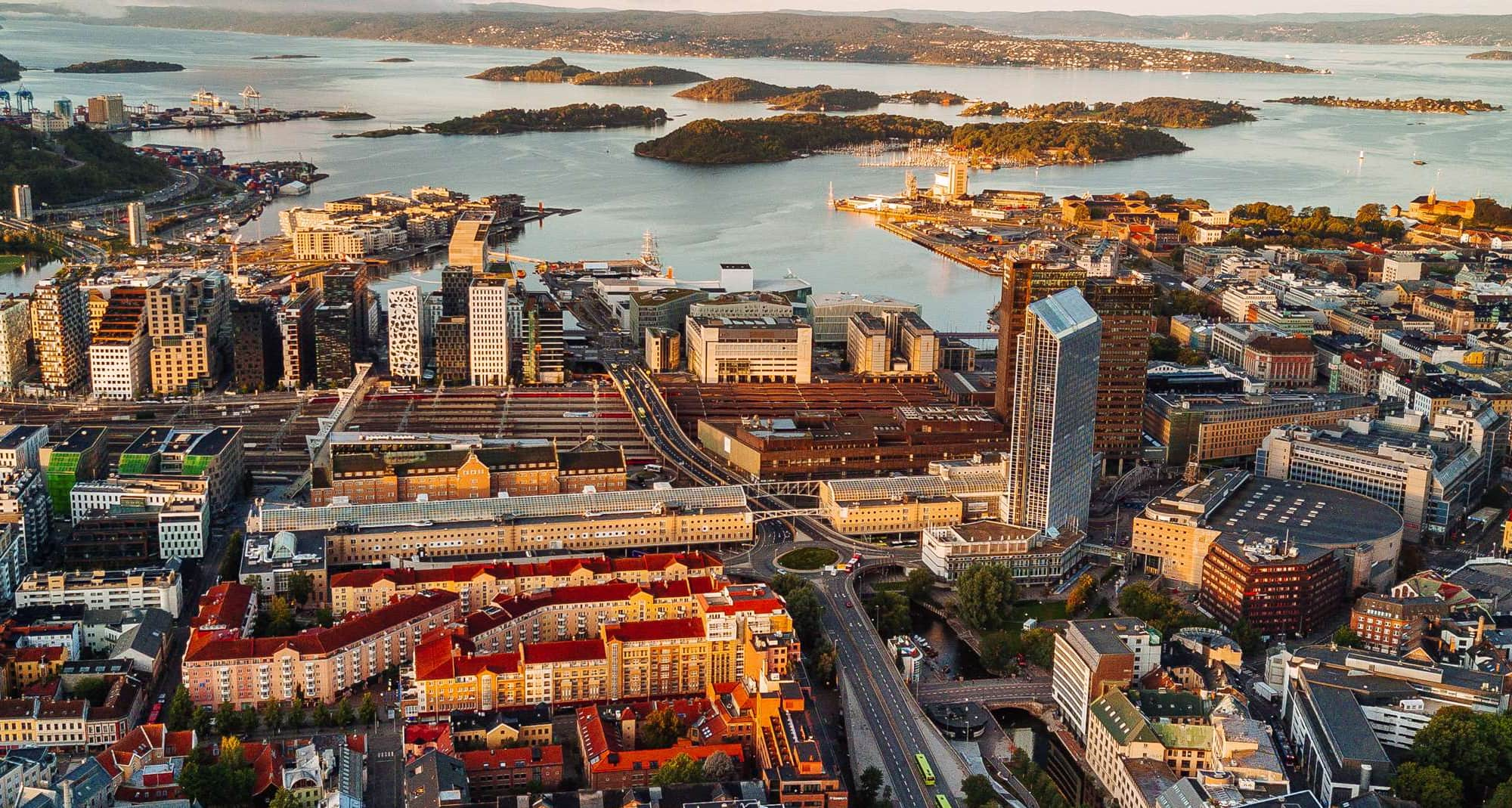
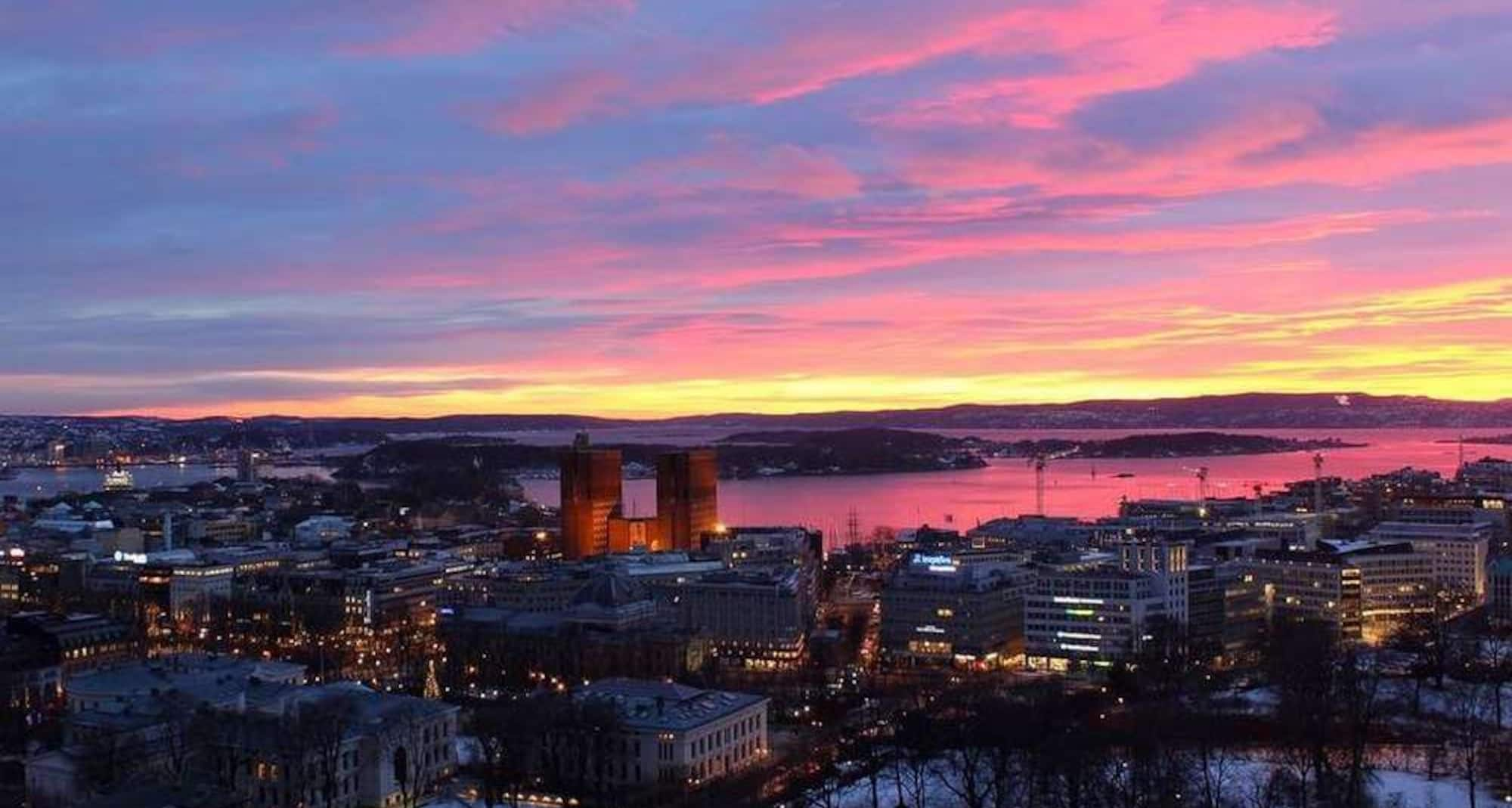
Oslo rewards travelers who like nature, design, and time by the water. Norway's capital sits at the head of the Oslofjord, bringing together art museums, a walkable waterfront, medieval history, modern architecture, food halls, forests, and islands.
From planning your stay with Radisson Hotels to exploring the harbor, Bjørvika, Bygdøy, Vigeland Park, Holmenkollen, and the fjord, this guide gathers the city's most useful ideas.
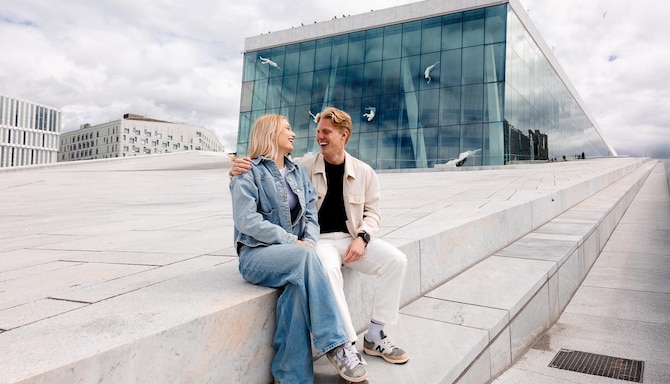
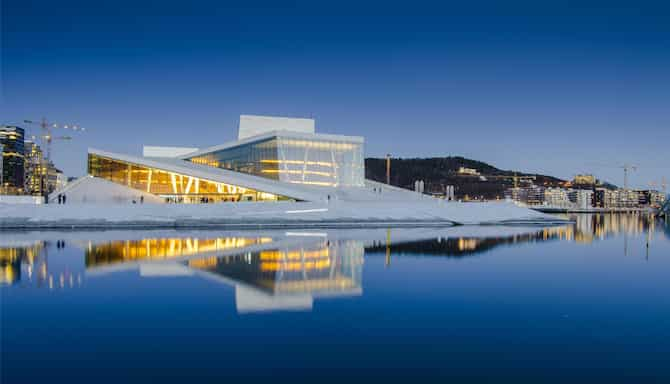
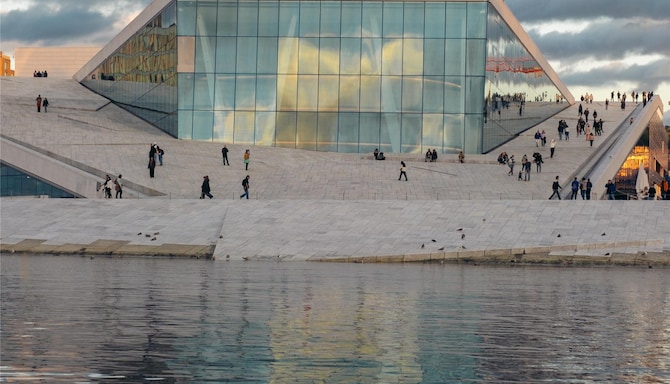
Walk the roof of the Oslo Opera House, stand before The Scream at MUNCH and the National Museum, follow Karl Johans gate to the Royal Palace, and ride the metro to forest trails above town. It is designed for first-time visitors, couples, families, food lovers, culture seekers, and travelers who want a relaxed city break close to nature.
Oslo blends fjord nature, world-class art, and easy public transport in one compact capital.
| Season | Best for | Travel tip |
|---|---|---|
Spring (March–May) | Parks, longer days, quieter streets, easy walks | Pack layers and a light rain jacket, and enjoy café terraces as they begin to reopen. |
Summer (June–August) | Fjord swims, islands, terraces, festivals | Book popular restaurants ahead, and bring swimwear for fjord and harbor bathing. |
Autumn (September–November) | Art, museums, food, quieter sightseeing | Pair museum days with cozy cafés, and keep a rain jacket handy for crisp afternoons. |
Winter (December–February) | Skiing, Christmas markets, museums, city lights | Wear warm boots with good traction, and make the most of the bright midday hours. |
Oslo's public transport is run by Ruter, with one integrated ticketing system covering the metro (T-bane), trams, buses, local trains and ferries. Central sights are close together, so much of the city is easily walked or cycled. Tickets are available through the Ruter app, ticket machines, the Oslo Visitor Centre and shops such as Narvesen and 7-Eleven.
The center lies mainly in fare zone 1. Ferries cross the Oslofjord to islands and to the Bygdøy museums (the Bygdøy ferry needs a separate ticket or the Oslo Pass). Oslo Airport (Gardermoen) links to the center by the Flytoget airport express, Vy trains, the Flybussen airport bus and taxi.
Choose from history-led, food-focused, family-friendly, culture-rich, after-dark, or slower local exploration to create an Oslo day that suits you. These ideas help you shape a trip with enough direction to use your time well, while leaving room for waterfront walks, cafés, markets, islands, forests, and unexpected discoveries.
Use these day plans to explore Oslo without turning the city into a checklist. Each route groups nearby places, so you spend less time crossing town and more time by the water, in museums, and out in the fresh air.
Add time for coffee, a gallery, a market, or a fjord view whenever something catches your eye. Oslo is compact and easy to reach by public transport, but its best moments often sit between the main sights, so keep the structure flexible and book timed attractions ahead where needed.
Day 1
Day 2
For days one and two, follow the 2-day itinerary at a relaxed pace.
Day 3
| Idea | Why go? | Time needed | Best for |
|---|---|---|---|
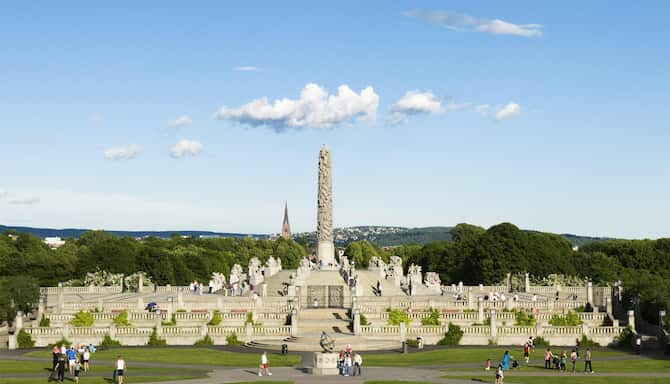
| Vigeland Sculpture Park | See 200+ open-air sculptures by Gustav Vigeland, free all year | 1–2 hours | First-timers, families, photos |
| Oslo Opera House | Walk the marble roof for fjord views by the water | 30–60 min | Architecture, views, free things |
| MUNCH (Munch Museum) | See versions of The Scream and the largest Munch collection | 2–3 hours | Art lovers, culture, rainy days |
| The National Museum | Meet The Scream at the Nordics' largest art museum | 2–3 hours | Art lovers, culture, rainy days |
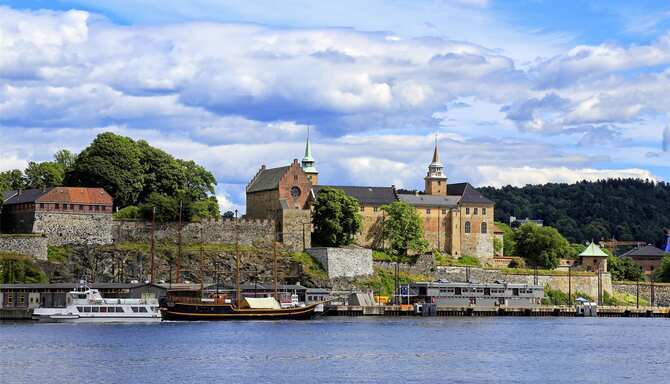
| Akershus Fortress | Explore a medieval fjord-side fortress from around 1299 | 1–2 hours | History, views, walking |
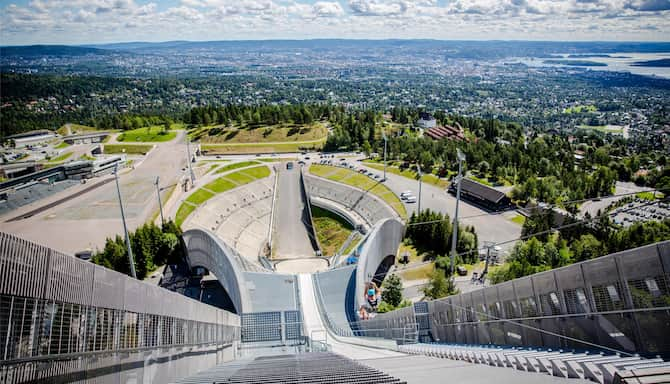
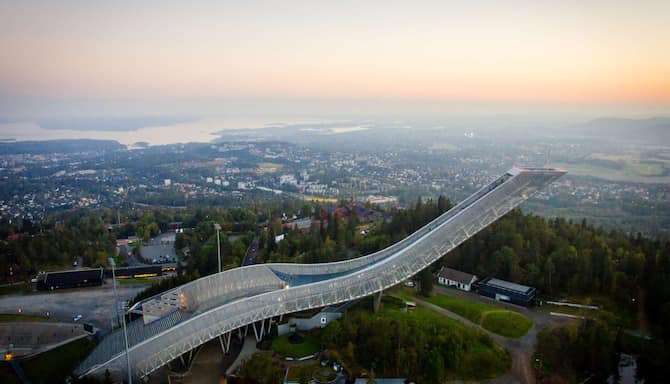
| Holmenkollen Ski Jump | Climb to the iconic ski jump for sweeping city views | 1–2 hours | Families, views, winter sport |
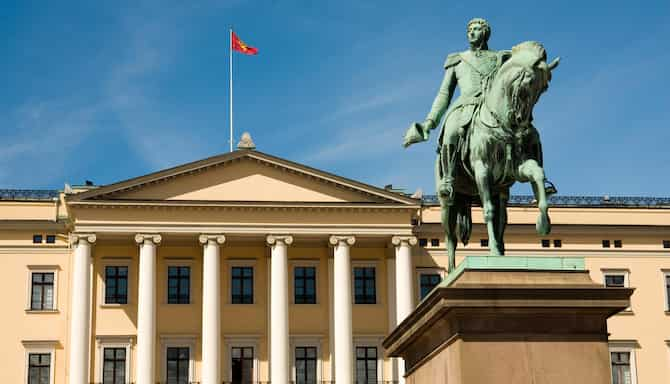
| The Royal Palace | See the royal residence and daily Changing of the Guard | 30–60 min | History, families, free things |
| Fram Museum | Board the polar ship of Nansen and Amundsen | 1–2 hours | Families, history, adventure |
| Kon-Tiki Museum | See Thor Heyerdahl's balsa raft and the Ra II | 1 hour | Families, history, curiosity |
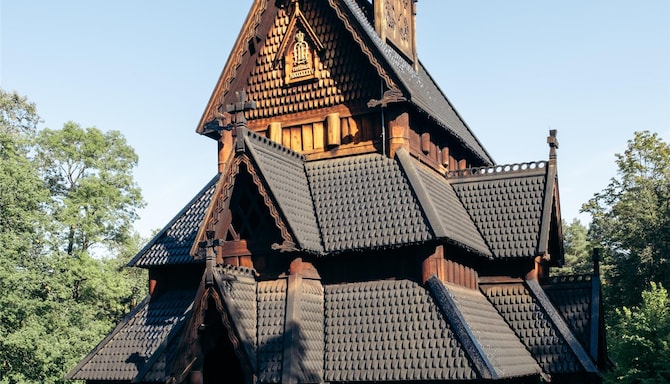
| Norsk Folkemuseum | Wander an open-air village with a 1200s stave church | 2–3 hours | Families, history, open-air |
Oslo is relaxed, friendly, and proud of its ties to nature. A simple "god dag" (good day) is welcome in shops and cafés, and English is very widely spoken. Greet staff, keep phone calls quiet on transport, and remove your shoes in a Norwegian home.
Tipping is not expected, since service is included, but people often round up or leave about 5–10% for good service in restaurants, and not at cafés. Norway is nearly cashless, so cards work almost everywhere, and it is best to pay in Norwegian krone.
Pack layers and a light rain jacket year-round, with warm, grippy boots in winter. Many museums close some weekdays, so check hours before you go.
Oslo tells a thousand years of history within a compact, walkable center. Start at Akershus Fortress, the medieval castle from around 1299 that overlooks the harbor, then walk its free grounds and the museums inside. Follow Karl Johans gate up to the Royal Palace, where the Changing of the Guard takes place each day and the Palace Park is open to all.
Cross to Bygdøy for Norsk Folkemuseum, a large open-air museum of Norwegian life with more than 150 historic buildings and a stave church from the 1200s. Oslo's Viking-age heritage returns to Bygdøy when the Museum of the Viking Age opens in 2027. Visit early for quieter streets between stops.
Come to Oslo hungry for fresh seafood, bakeries, and strong coffee. Mathallen, the city's food hall at Vulkan in Grünerløkka, gathers more than 30 vendors selling seafood, cheese, baked goods, coffee, and international dishes.
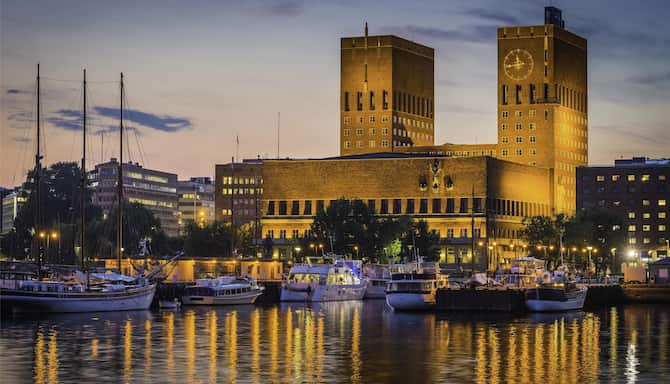
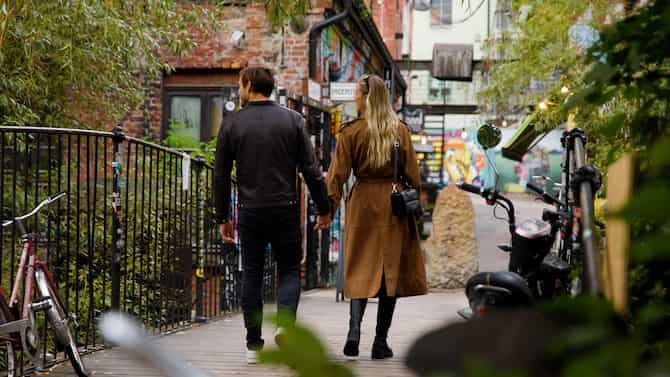
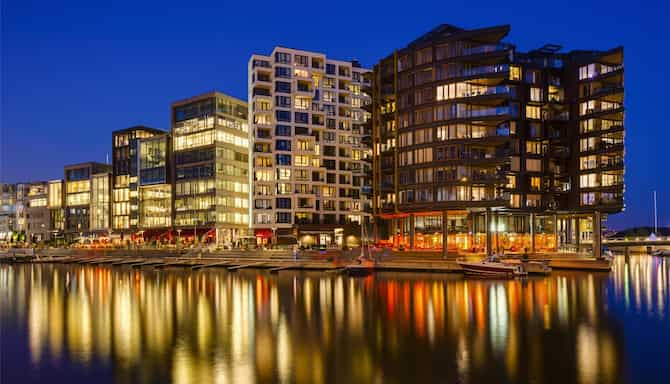
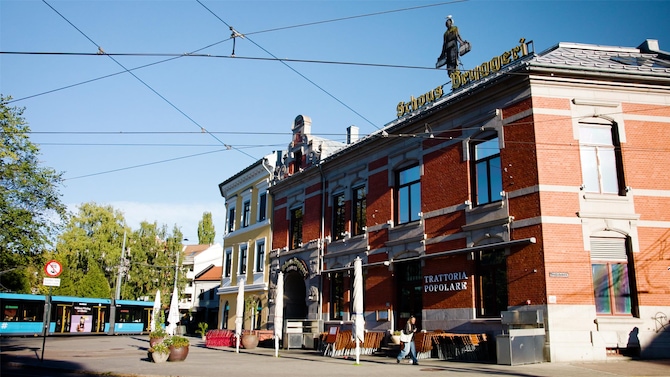
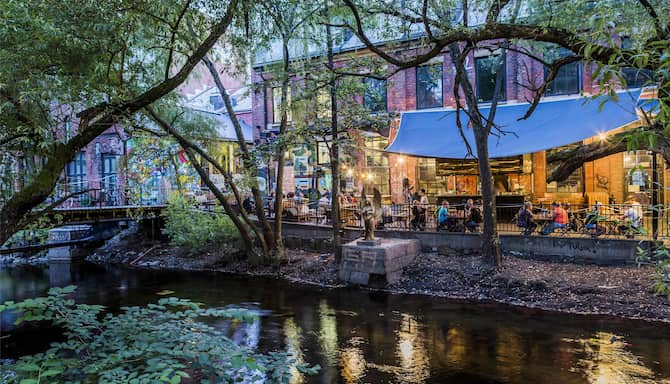
The Grünerløkka district lines the Akerselva river with cafés, bistros, and shops. Along the fjord, Aker Brygge and Tjuvholmen add waterfront restaurants and bars.
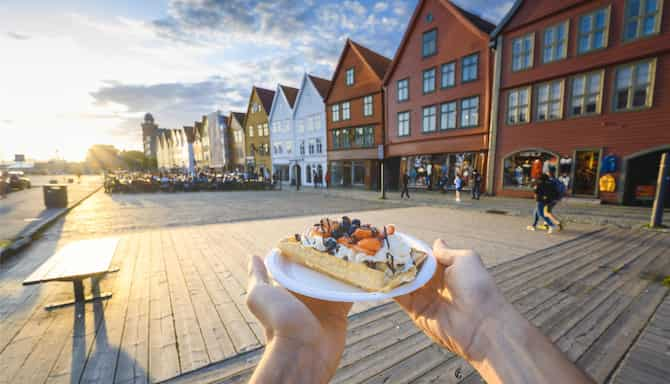
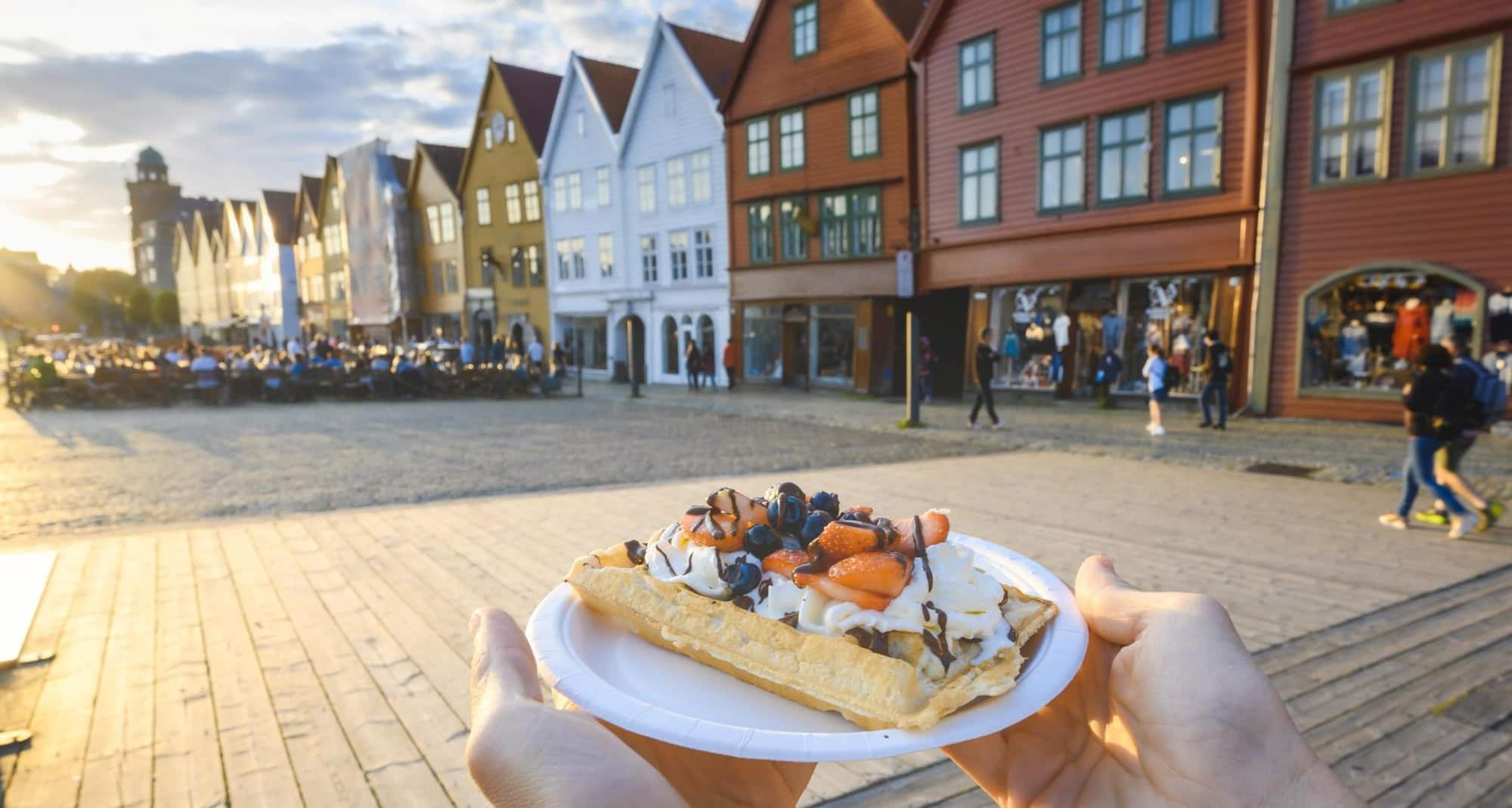
Look for local staples such as salmon and shrimp, brown cheese, cinnamon buns, waffles, and open-faced sandwiches, alongside a strong specialty-coffee scene and New Nordic kitchens. Lunch deals and bakery stops help balance an expensive city.
Oslo is easy with children because public transport is simple and nature is close. On the Bygdøy peninsula, the Fram and Kon-Tiki museums bring polar ships and ocean rafts to life, and Norsk Folkemuseum adds an open-air village to explore.
Ride the metro up to Holmenkollen for the ski-jump viewpoint, a simulator, and a zipline. In summer, hop on a fjord ferry to the islands for easy beaches and swimming, and cool off by the harbor.
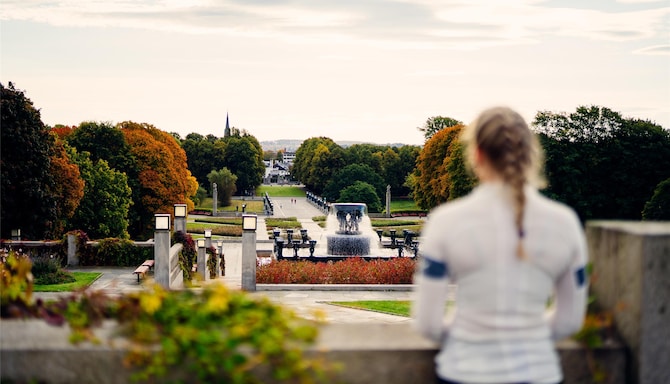
For a full day out, TusenFryd amusement park sits a short trip from the city. Break up sightseeing at Vigeland Sculpture Park, where children can roam among more than 200 open-air figures for free.
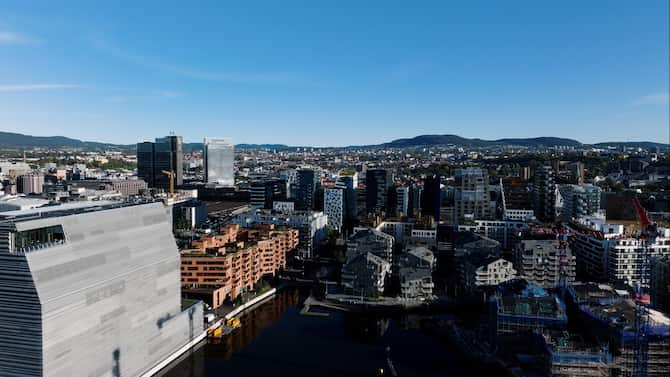
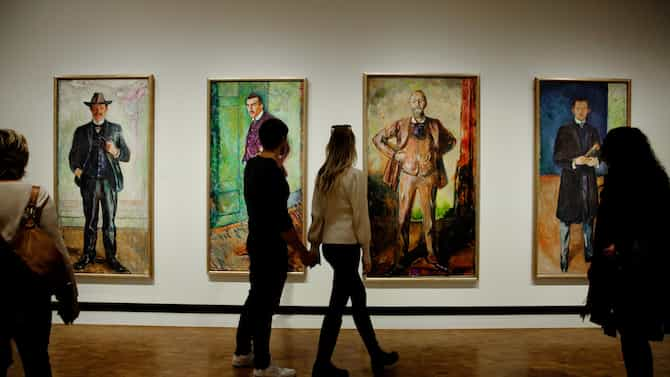
Few cities pack this much art into a short walk by the water. MUNCH, the tower museum in Bjørvika, holds the world's largest collection of Edvard Munch's work, including versions of The Scream. Nearby, the National Museum is the largest art museum in the Nordics and shows Munch's 1893 Scream.
At Tjuvholmen, the Astrup Fearnley Museum shows contemporary art, while the Opera House and Deichman Bjørvika are worth seeing for their architecture. Many museums close some weekdays, so check hours.
Evenings in Oslo can be lively or low-key, and much of the action sits by the water. Around Grünerløkka, casual bars, craft-beer taprooms, and live-music venues fill the old industrial streets. Along the fjord, Aker Brygge and Tjuvholmen offer waterfront bars and dining, while the Oslo Opera House stages opera and ballet. In summer, long daylight keeps terraces busy well into the evening. Choose licensed venues, and plan a metro, tram, or taxi back if your hotel sits outside the center.
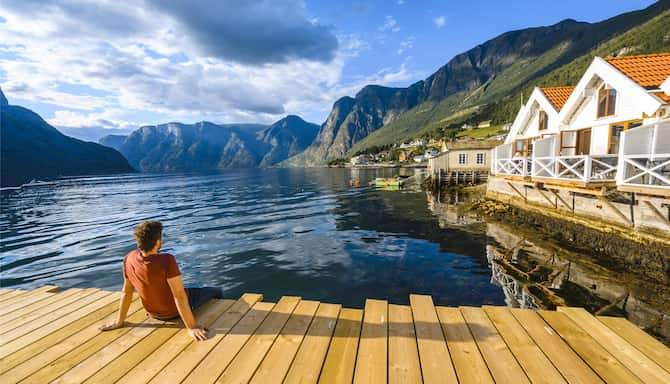
In Oslo, nature is part of the city, not a trip away from it. In summer, public ferries cross the Oslofjord to islands such as Hovedøya and Langøyene for beaches, swimming, and easy walks, and the Bygdøy peninsula has its own summer bathing spots.
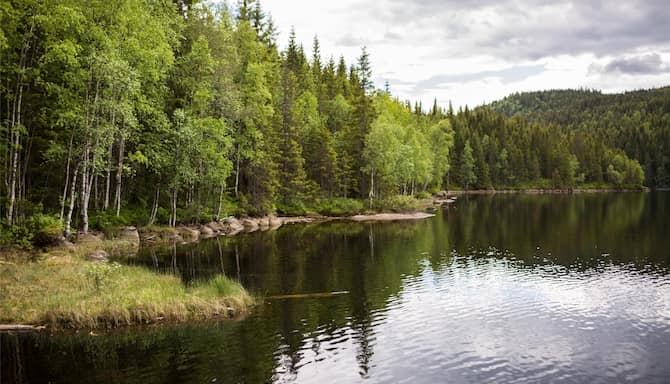
Just above town, the forests of Nordmarka open up hiking and cycling trails, many only minutes from a metro stop. In winter, the same hills around Holmenkollen turn into cross-country and downhill skiing.
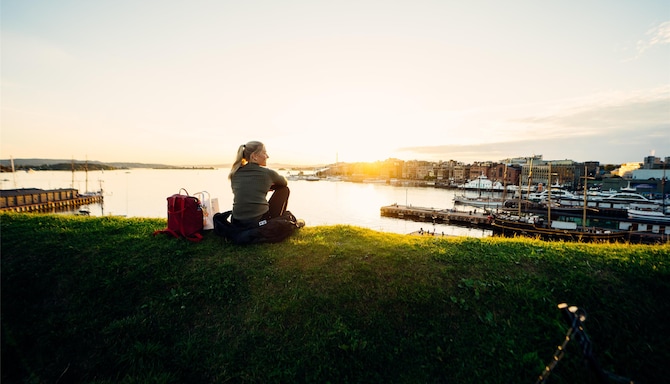
For city and fjord views on foot, Ekeberg Sculpture Park climbs a wooded hillside on the east side. Balance museum-heavy days with fresh air, water, and open sky so the trip stays relaxed.
Oslo is in Norway, which is part of the Schengen Area. Entry rules depend on your nationality, passport, and length of stay, so check official guidance before booking if you are unsure.
Pack layers and a light rain jacket at any time of year, as the weather can change quickly. Bring warm, grippy boots in winter, and lighter clothing for long summer days. Dress is generally casual.
Yes. English is very widely spoken and understood across Oslo, in hotels, restaurants, shops, and museums. Norwegian is the local language, and learning a word or two is appreciated but not needed.
About two to three days covers the highlights, from the waterfront and museums to Vigeland Park and the fjord. Add another day or two for island-hopping, forest walks, or a trip up to Holmenkollen.
Central Oslo is walkable, and Ruter runs one integrated network of metro, trams, buses, local trains, and ferries. The Oslo Pass adds transport plus entry to many museums, and no car is needed in the city.
Tipping is not expected, as service is included in prices. Many people round up or leave about 5–10% for good service in restaurants, though tipping at cafés is not usual.
Yes. Tap water in Oslo is safe to drink and of excellent quality, so you can refill a reusable bottle around the city rather than buying bottled water.
Oslo is one of Europe's more expensive cities, especially for hotels, dining, and drinks. Lunch deals, bakeries, and free sights such as Vigeland Park and the Opera House roof help balance the budget.
Start with fresh seafood such as salmon and shrimp, brown cheese, cinnamon buns, waffles, and open-faced sandwiches. Save room for the strong coffee culture and Oslo's New Nordic restaurants.