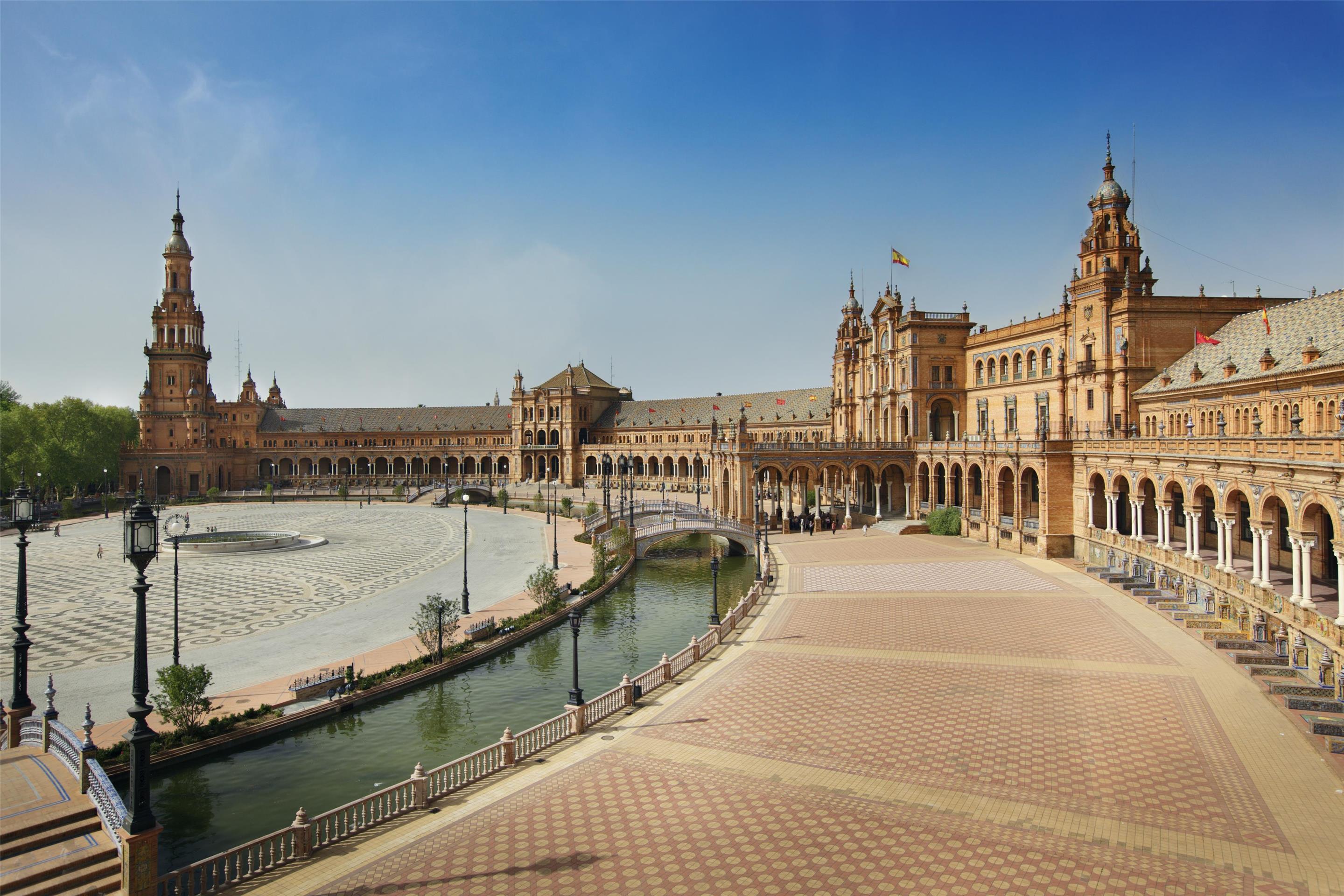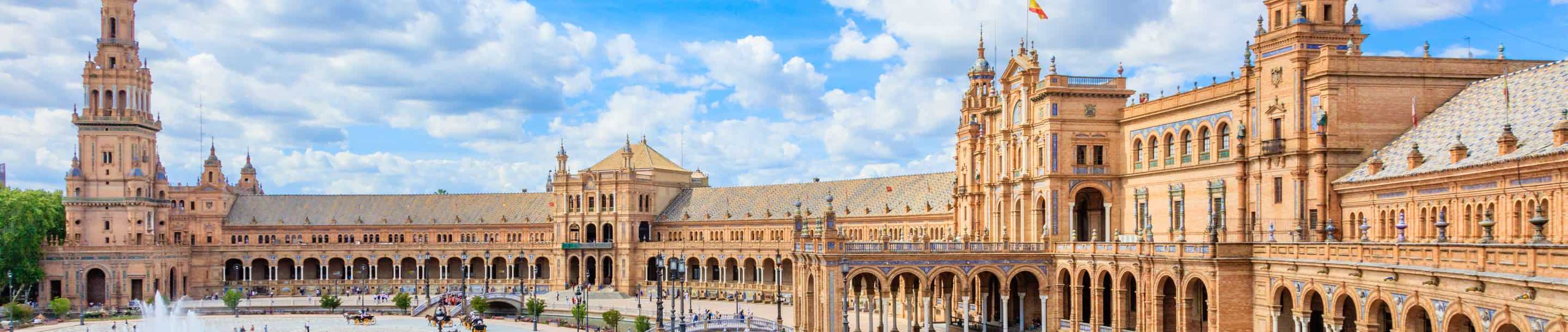
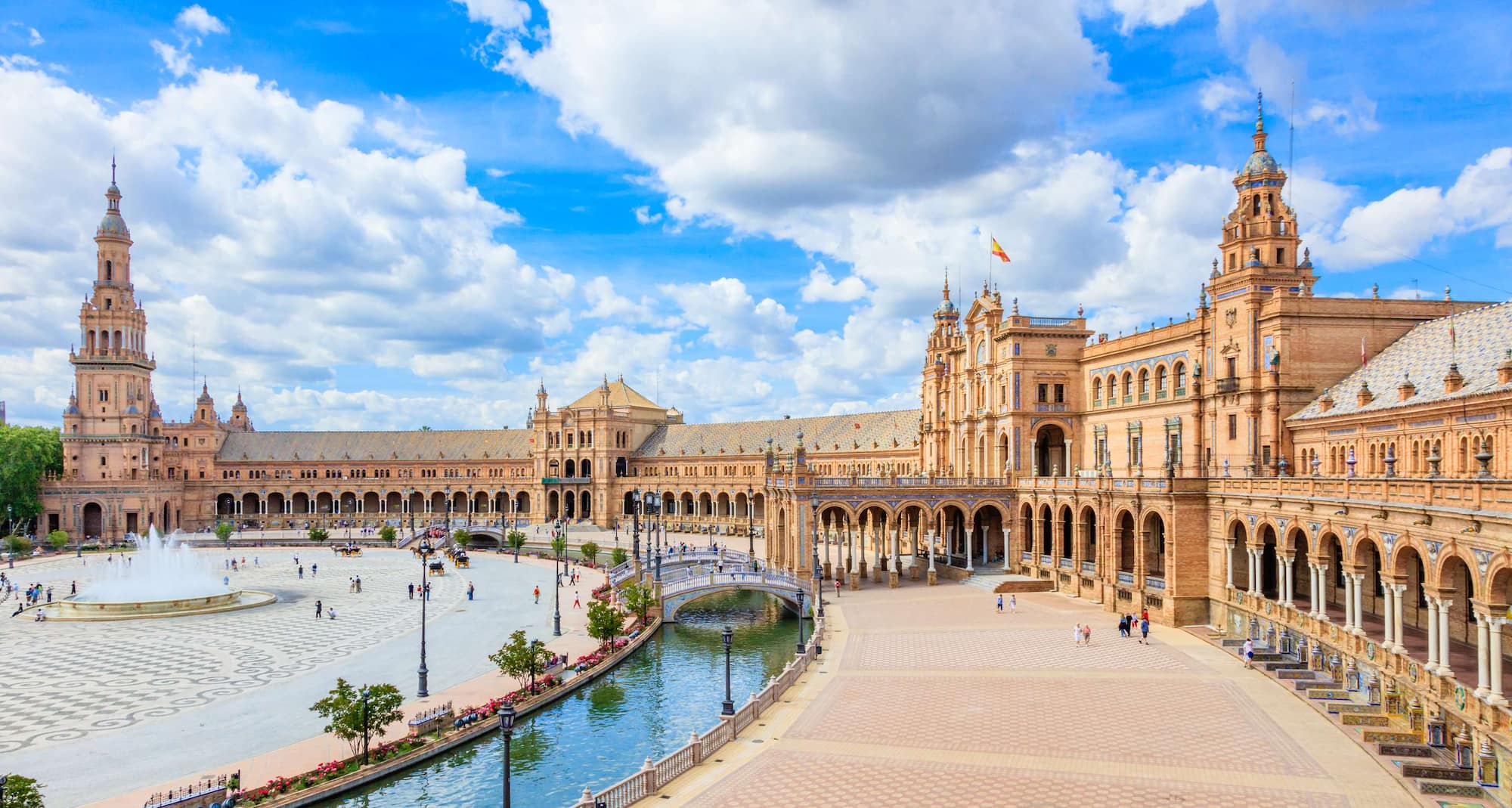
A city of soulful music, electrifying colors, and captivating history, Seville invites you to explore every street and plaza. The Radisson Collection Hotel, Magdalena Plaza Sevilla boasts a privileged location on the elegant Plaza de la Magdalena, making it an excellent starting point for each adventure.
Visit the captivating Royal Alcazar of Seville or historic landmarks like the Tower of Gold and Seville Cathedral. A world of luxury shopping, art museums, jaw-dropping architecture, and romantic hidden gems are all at your fingertips from our comfortable hotel.
One of Spain’s most important landmarks, the Seville Cathedral is among the world’s largest Gothic cathedrals. Classified as a UNESCO World Heritage Site, this 15th-century masterpiece spreads across 11,520 square meters and offers jaw-dropping views from the top of its crowned jewel, The Giralda bell tower.
The Plaza de Toros de la Real Maestranza de Caballería de Sevilla is one of Spain's largest and most popular bullfighting rings. Dating back to the 18th century, it features Baroque designs, art collections, and an informative museum in addition to the main arena.
One of Spain’s most important landmarks, the Seville Cathedral is among the world’s largest Gothic cathedrals. Classified as a UNESCO World Heritage Site, this 15th-century masterpiece spreads across 11,520 square meters and offers jaw-dropping views from the top of its crowned jewel, The Giralda bell tower.
The Tower of Gold, or Torre del Oro, was a 13th-century defense tower and the last architectural contribution by the Moors in Seville. Recognized for its 12 shining sides and location on the banks of the Alfonso XIII canal, it also houses the local Maritime museum.
When visiting Seville, set aside a few hours to wander through this collection of art exhibits, ranging from the medieval period to the 20th century. Founded in the 19th century, the museum is housed inside a 16th-century convent, making the building an interesting addition to the experience.
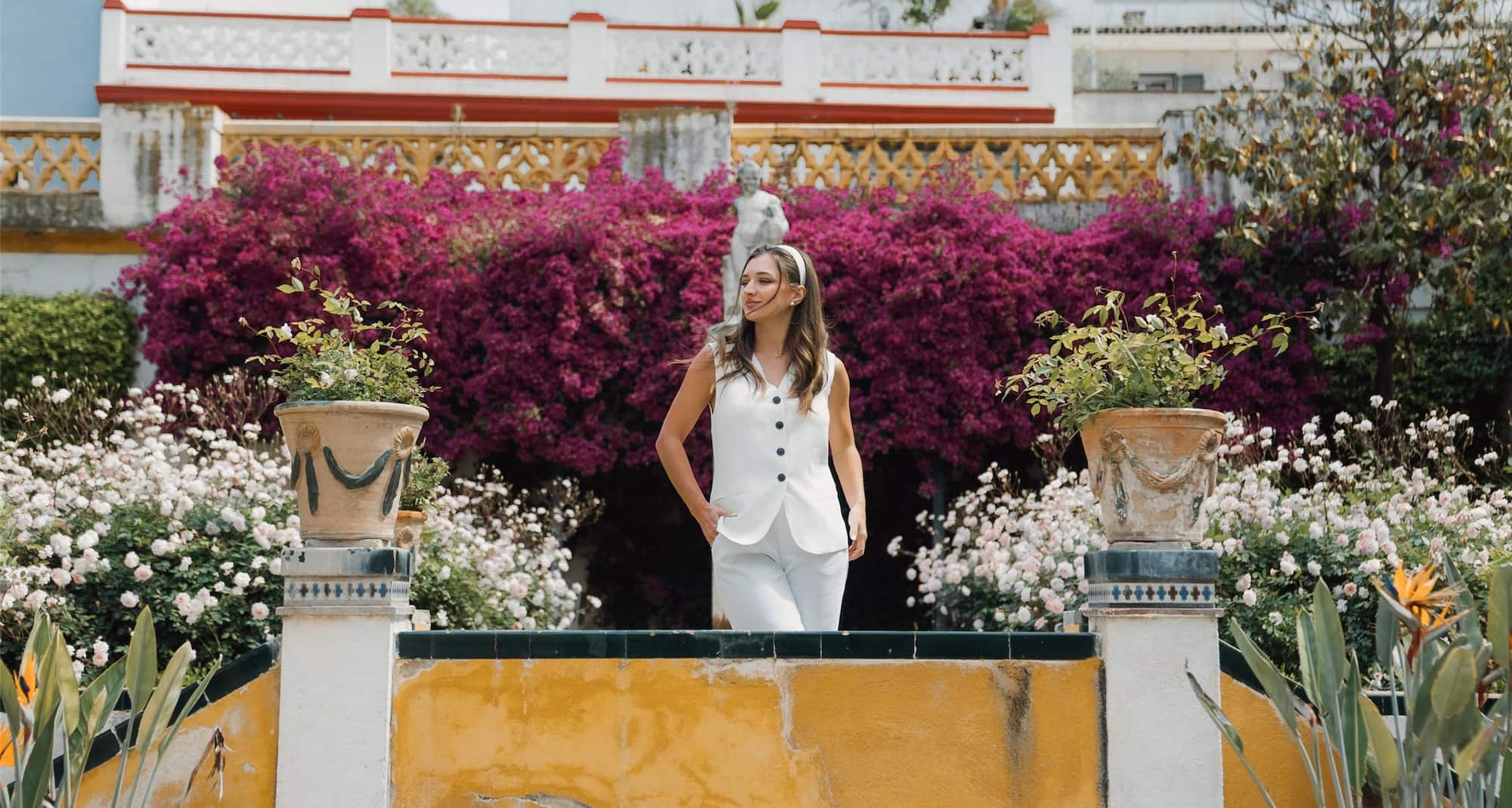
Even before catching the world's attention on Game of Thrones, the Royal Alcazar attracted droves of tourists with its dreamy patios, vivid gardens, and blend of Roman, Gothic, Rennaissance, and Islamic architectural designs. One of Seville's most recognizable landmarks, it’s a must-add for every itinerary.
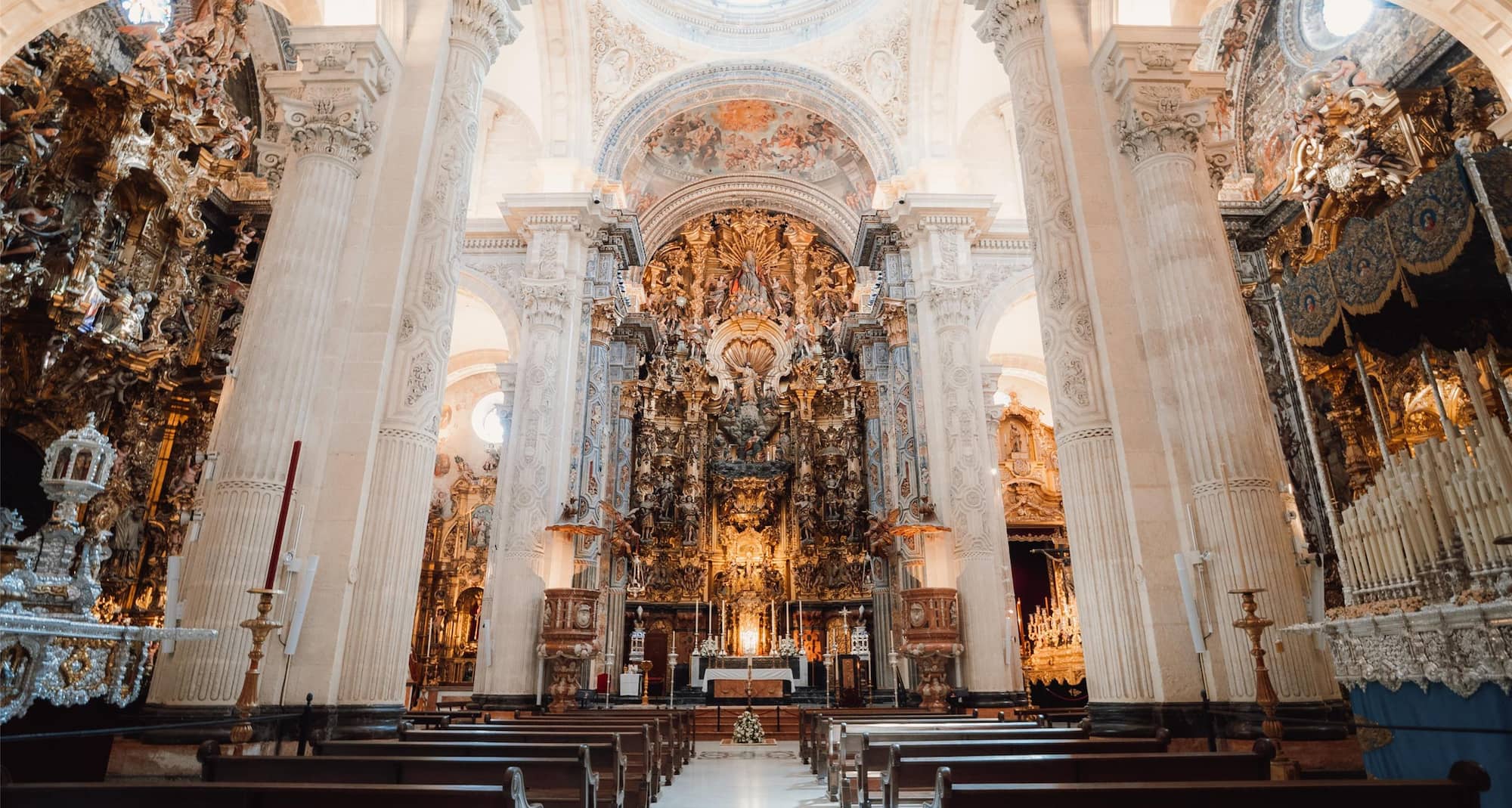
Constructed in the late 17th century, the Baroque Santa Maria Magdalena Church boasts three entrances (each on different facades) featuring blue and red designs but the real treat is inside. Gold-gilded interiors, statues, and multiple alters make this beautiful landmark worth a visit when wandering through downtown Seville.
Discover Seville through the experiences that match your interests.
For history lovers
For culture seekers
For food lovers
Need help arranging transport, planning activities, or finding what to do nearby? Our team can support with practical local guidance to make your stay easier and more enjoyable.