

One of the main airports in the area. Check our "how to arrive" section for more information.
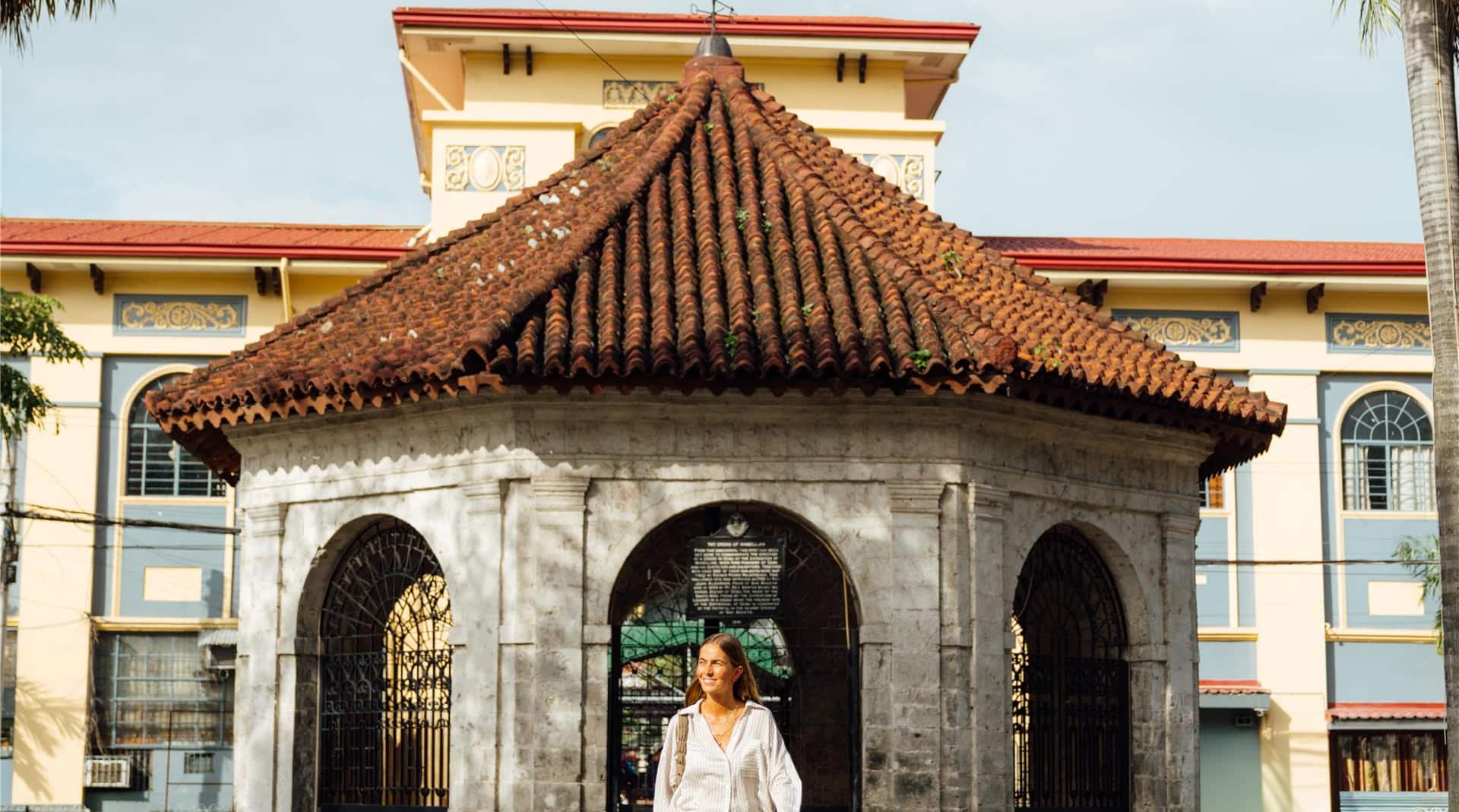
This Roman Catholic monument, installed in 1521 at the request of Portuguese explorer Ferdinand Magellan, marks the arrival of Christianity in the Philippines.
Explore the atmospheric garden and 18th-century ruins on this site originally established by Spanish conquistador Miguel López de Legazpi. An on-site museum charts the fort’s history, which included use as a revolutionary stronghold in the 1800s.
Get a glimpse into Cebu's historic past at this stunning 19th century mansion. A fine example of colonial-era architecture and mestizo culture, Casa Gorordo is a must-see for visitors looking to learn more about Cebu's intricate history.
Yap-San Diego Ancestral House was constructed during the Spanish colonial era featuring a blend of Spanish and Chinese influences. One of the oldest houses in the Philippines, this beautiful building is thought to be the first Chinese house to be built outside of China. Visitors will enjoy its hand-carved furniture, countless artworks, and the stunning garden.
Built in 1565 and named after Christopher Columbus, Colon Street is the oldest street in the country. Take a stroll down this vibrant street in the heart of Cebu and discover bustling shops, local vendors, charming restaurants, and delicious street food spots.
The Cebu branch of the National Museum of the Philippines is home to a diverse collection of artworks and relics. From exhibits on local flora and fauna to displays covering pre-colonial times, the Spanish and American occupation periods, and Cebu's art masters, the museum offers intresting insights into Cebu's rich culture and heritage.
Discover the country's rich and diverse marine life at Cebu Ocean Park. Perfect for the whole family, this fun-filled aquarium features a variety of dynamic exhibits including live events, an interactive aviary, reptile exhibits and large tanks home to a plethora of sea creatures. Cebu Ocean Park also doubles as an importan hub for marine conservation efforts and marine sustainability research.
Learn more about the history and influence of Chinese culture on the Cebuano lifestyle at Sugbu Chinese Heritage Museum. Celebrating the vibrant cultural heritage of the Filipino-Chinese community, the museum is home to a wide range of artifacts, photographs, and exhibits that chronicle the history of Chinese immigrants in the region and their contribution to Cebu's development and identity.
Known as Cebu's "Little Amsterdam," Sirao Garden is famous for its colorful flowers and replicas of iconic Dutch windmills and houses. Covered in beautiful, vibrantly colored flowers, it is the perfect destination for nature lovers and visitors looking to enjoy a break from the hectic streets of Cebu.
One of the most iconic guitar shops in the country, the family-owned Alegre Guitar Factory produces handmade guitars, mandolins, bandurias, and ukeleles made from indigenous or rare wood. The shop, located just a short trip away from central Cebu, is a total must-see for music lovers who can learn more about the step-by-step process of manually crafting a guitar.