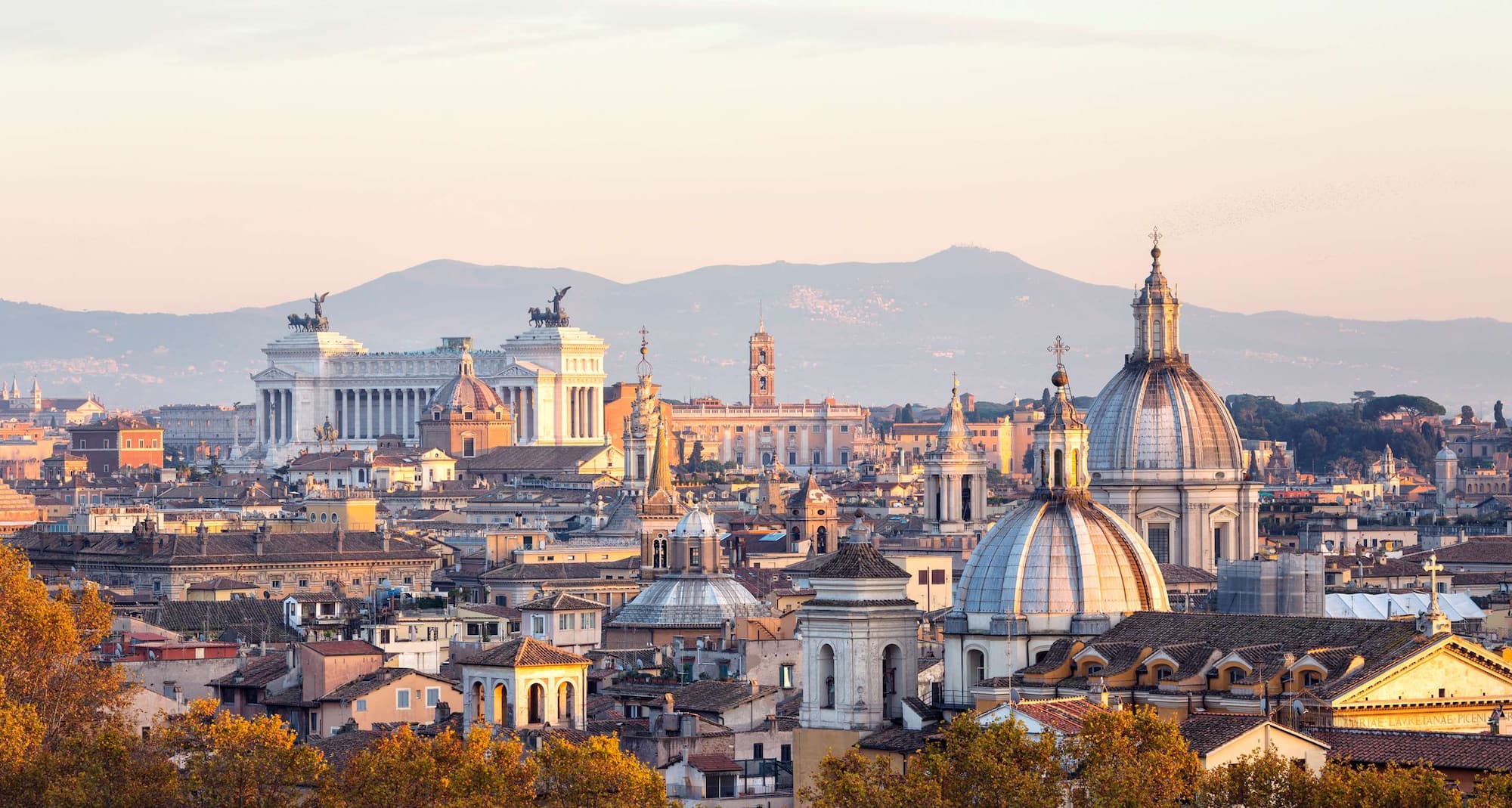
Situated near Piazza Venezia, Radisson Collection Hotel, Roma Antica is the ideal spot to stay when you want to explore the Eternal City. Immerse yourself in a world of history, culture, architecture, and good food—just steps from our door.
Not far from the hotel, visit ruins that date back centuries at the Temple of the Nymphs or Largo Torre di Argentina. History buffs and architecture lovers won’t want to miss Altare della Patria or Capitoline Hill.
Explore cobbled streets, ancient monuments, and see why Rome is one of Europe’s top destinations.
One of the main airports in the area. Check our "how to arrive" section for more information.
One of the main airports in the area. Check our "how to arrive" section for more information.
Located in Piazza Venezia, this impressive monument is notable for its grand staircase and Corinthian columns. It was inaugurated in 1911 and is dedicated to Victor Emmanuel II, the first king of Italy. It's home to the Tomb of the Unknown Soldier, a symbol of the sacrifice of fallen soldiers.
Situated between Via del Corso and Via dei Fori Imperiali, get a glimpse of impressive architecture, museums, and ancient basilicas. This impressive plaza is notable for the iconic Vittorio Emanuele II monument, also known as the Altare della Patria.
This ancient Roman temple dates back to AD 609 and is one of the best-preserved monuments from Ancient Rome. Today, the Pantheon continues to serve as a church. Each day, tourists flock to admire the impressive dome and portico.
Campidoglio, or Capitoline Hill, is one of the seven hills of Rome. Walk up to the 16th-century square, designed by Michelangelo. Visit the city hall, the Capitoline Museums, or take in the captivating surroundings.
Largo di Torre Argentina is an open-air area in the city center, home to different ancient ruins. You’ll see four of Rome’s oldest temples—the oldest dating back to the 2nd century—as well as the remains of Pompey’s Theatre.
The Temple of the Nymphs, situated between Largo di Torre Argentina and Piazza Venezia, was constructed likely between the 2nd and 3rd centuries BC. The remains of the temple consist of two columns with Corinthian capitals and a portion of the podium.
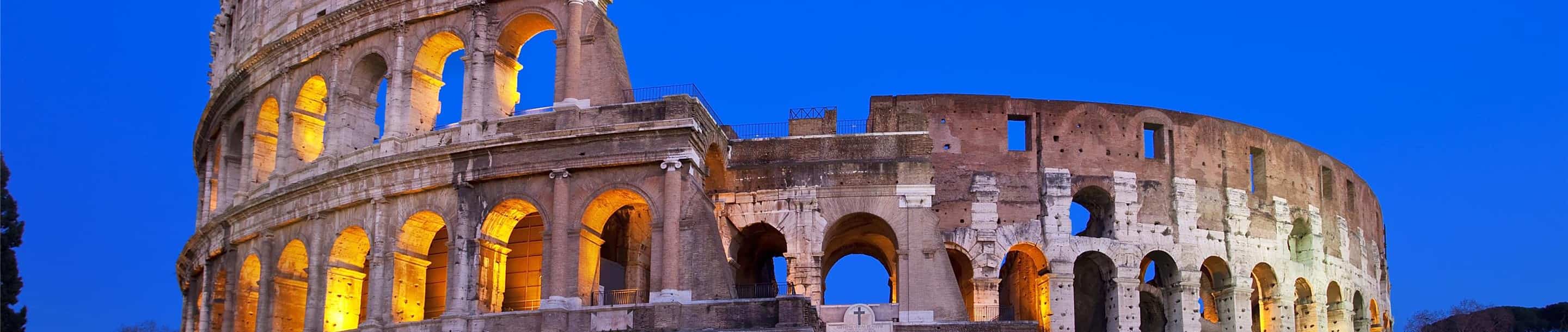
One of Rome’s most iconic landmarks, the Colosseum is a total must-see when visiting the Eternal City. Explore the surrounding area or take a tour of the amphitheater to learn more about gladiatorial games and Rome’s ancient past.
For history buffs
For art and architecture lovers
For city explorers
Need help arranging transport, planning activities, or finding what to do nearby? Our team can support with practical local guidance to make your stay easier and more enjoyable.