One of the main airports in the area. Check our "how to arrive" section for more information.
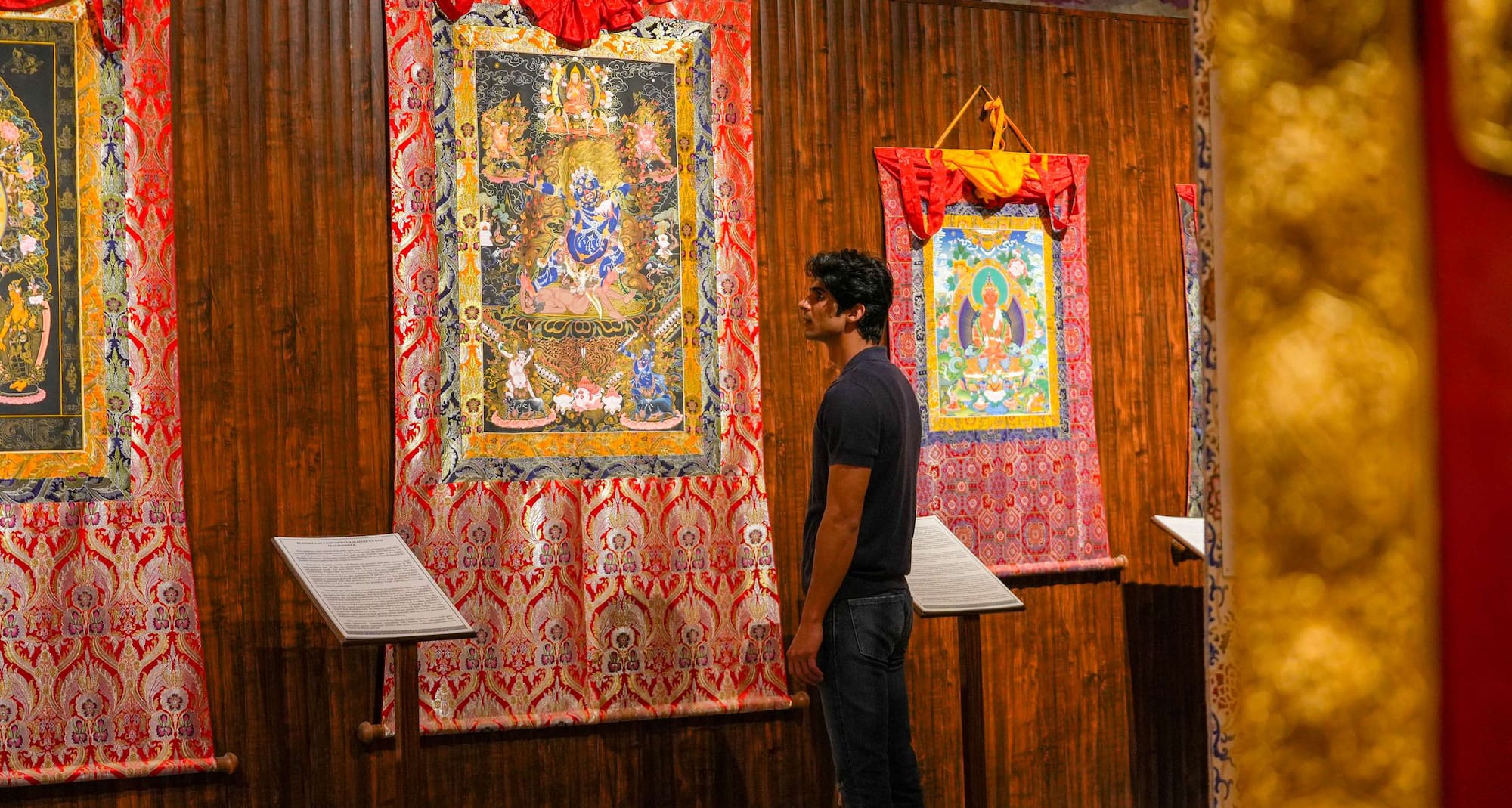
Visit the Norbulingka Institute to learn from a community of Tibetan artists and craftspeople with ancestral knowledge. You are invited to explore the beautiful campus and shops to witness the splendor of Tibetan art, with examples of wood carving, painting, and weaving on show.
Founded in 1970 by the Dalai Lama to protect ancient Tibetan manuscripts and artifacts, the library is now a world-renowned campus for Buddhist and Tibetan studies as well as the home of the National Museum of Tibet.
In the foothills of the Dhauladhar mountain range stands Aghanjar Mahadev, a 500-year-old temple dedicated to Shiva. Outside the temple, you can take in the lovely waterfall and mountain forest of this peaceful area.
Located in the forests of Dharamshala, this elegant war memorial honors the memory of soldiers who died fighting for India during the 20th century. There are layered gardens inside, as well as a cafe to soak up the atmosphere.
The Kangra Art Museum celebrates the best of Kangra and Tibetan culture, with a wide display of artifacts. The miniature paintings, commissioned during the Katoch dynasty, really demonstrate the artisan legacy of the region.
St. John’s Church initially appears austere, due to its neo-Gothic architecture. Appearances can be deceiving though as the church has a beautiful stained-glass window and a verdant, hilly churchyard.
McLeod Ganj is known as Little Lhasa because of its Tibetan influence. As well as churches and waterfalls, this area is most known for being home to the Dalai Lama’s Temple.
The Temple is a beautifully decorated holy shrine that displays a variety of Indian deities. Equally popular is the Bhagsunag Waterfall which takes 15 minutes to climb and delivers a picture-perfect moment.
A very hallowed sacred site for Tibetans, this monastery offers visitors a great understanding of the complicated history of Tibet. We recommend visiting early to witness the welcoming monks at prayer.