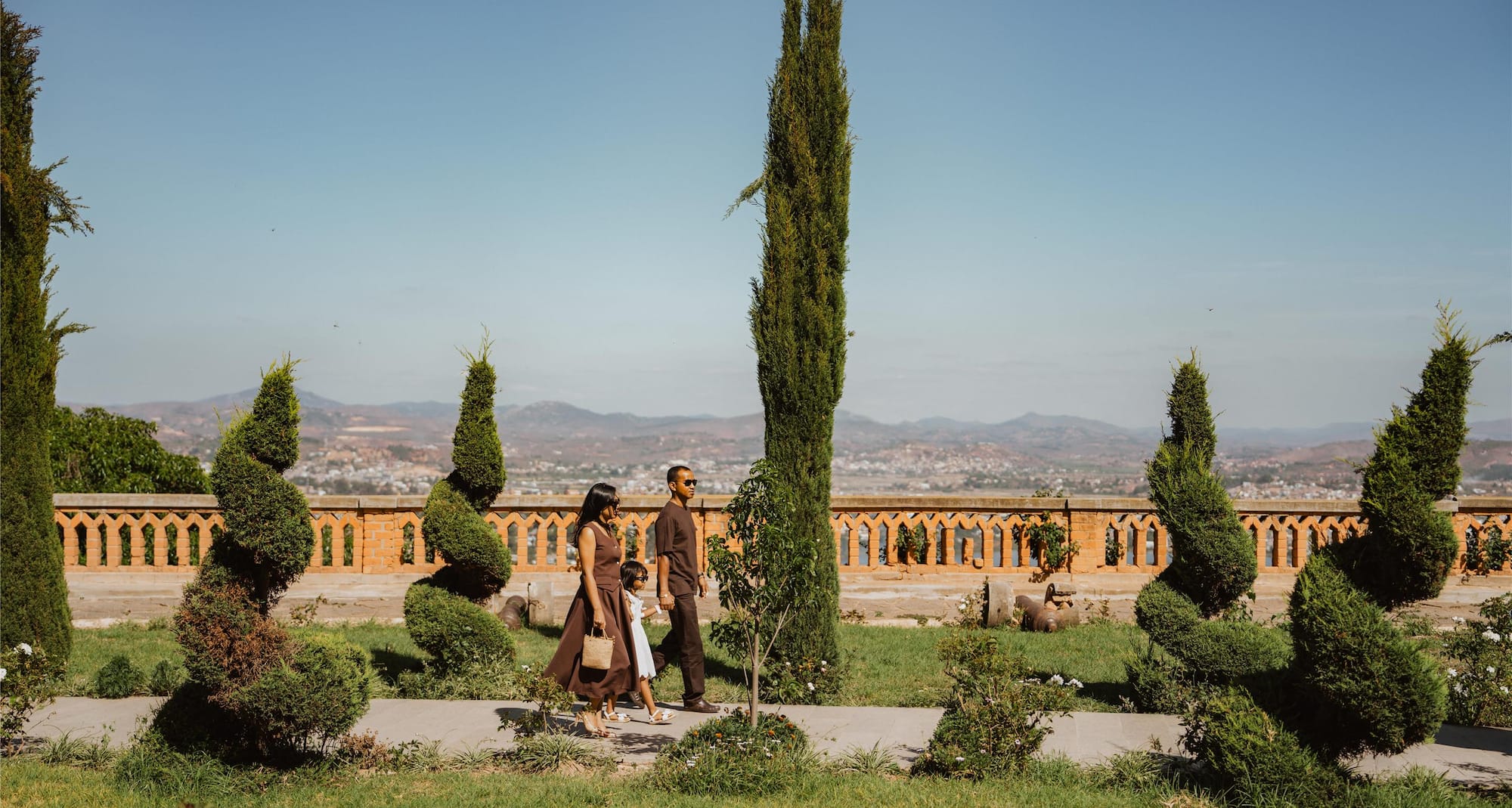
See the palace fit for Madagascan royalty. The ornate stone façade was originally a wooden structure before Queen Ranavalona II requested the change to reflect the Kingdom’s grandeur. Enjoy a guided tour of the wider royal palace complex.
UNESCO-listed, Ambohimanga refers to the Hautes Terres Centrales civilization which flourished during the 15th – 19th centuries. A sacred spot, this site shows off the spiritual history of the island, with fascinating archaeological discoveries.
Tsarasaotra translates as “a good place to be”, and the park is indeed a good spot to be to experience a refuge for 14 types of endangered bird species, including the Malagasy Pond Heron. The verdant greenery shows off the richness of African terrain.
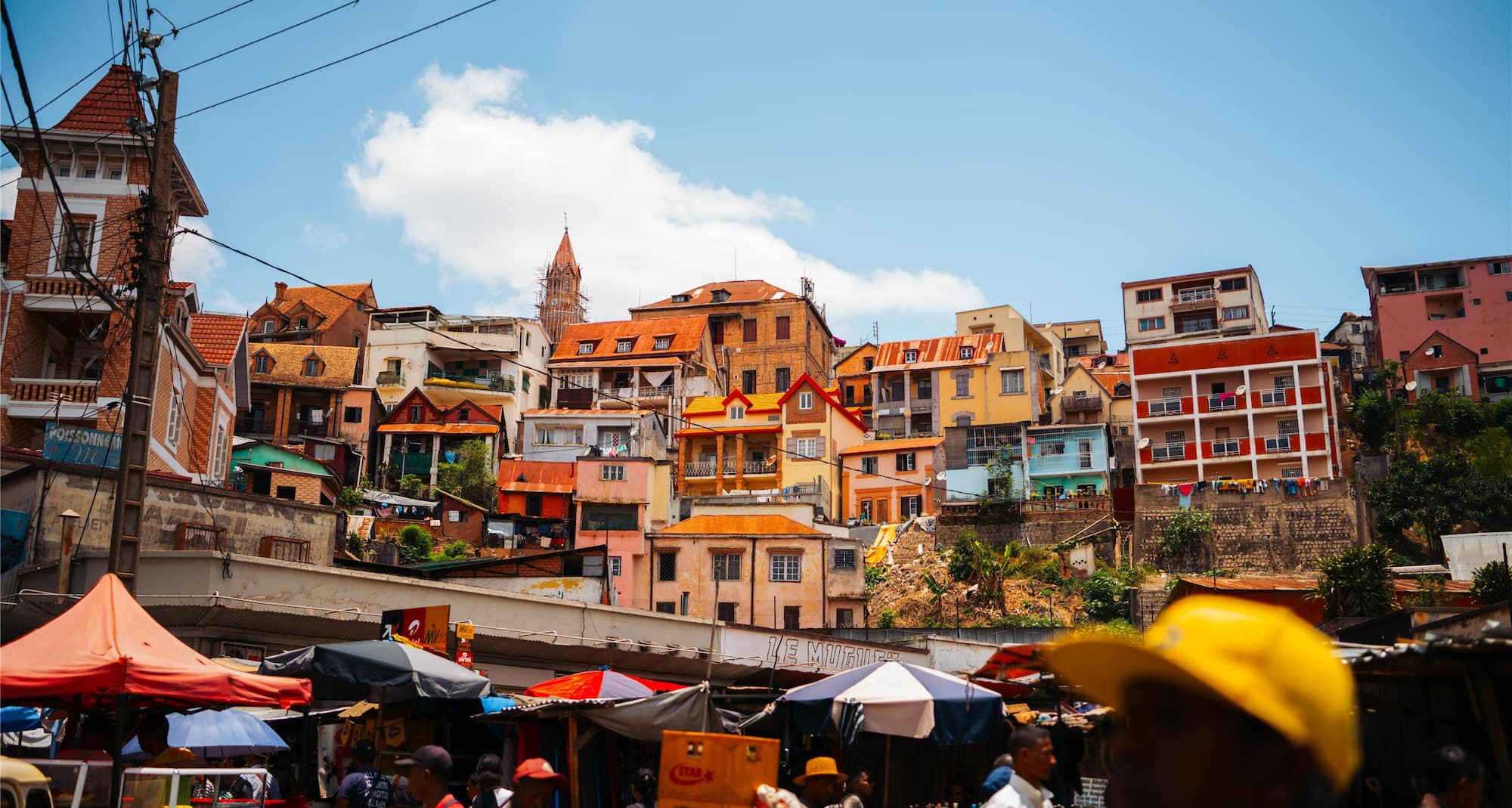
Perhaps the best example of the country’s French legacy, the Gothic façade might remind you of some of the most renowned French cathedrals. In fantastic condition, as is the cobbled square outside, this ornate spot is well worth a visit.
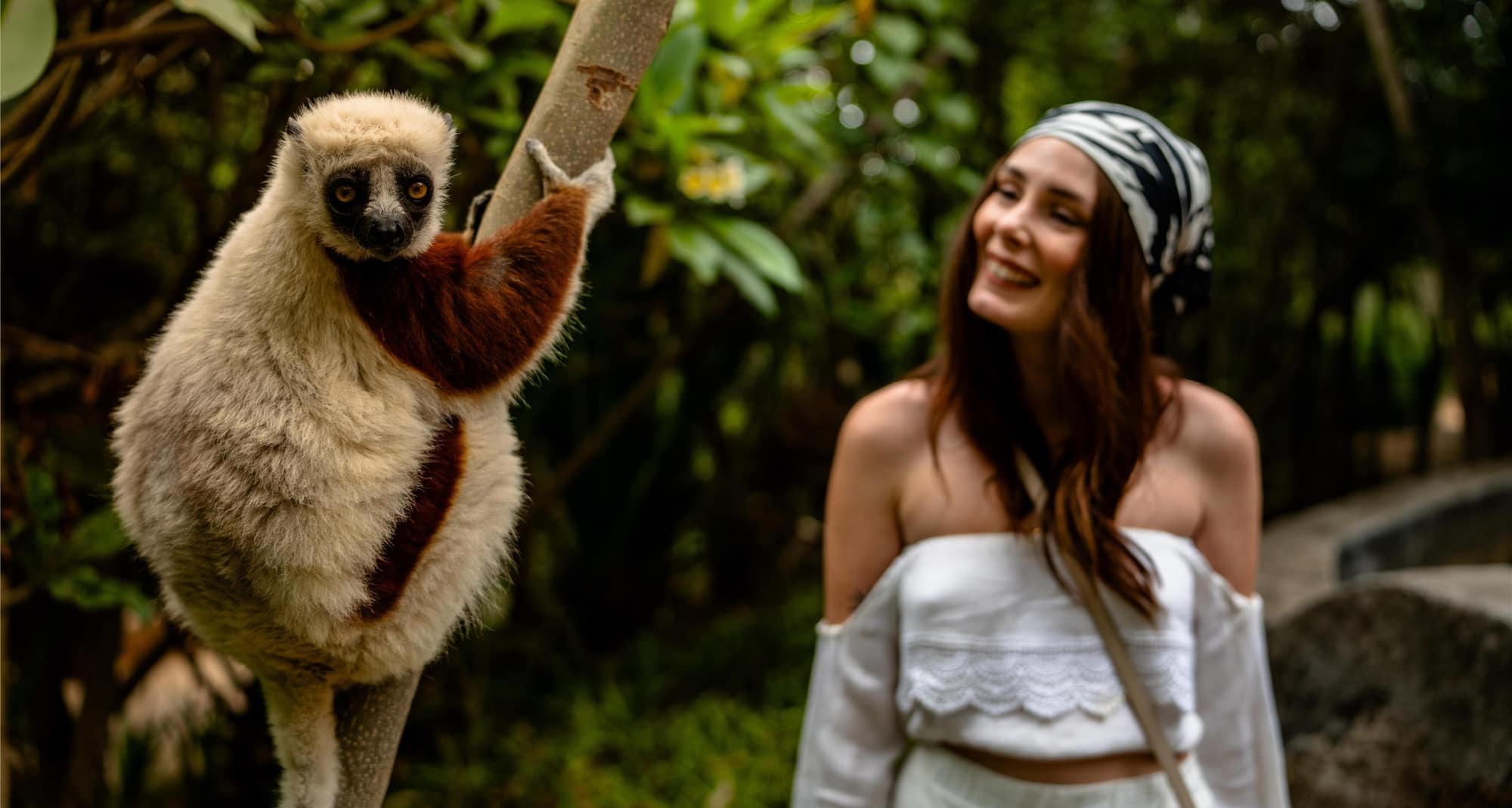
Get to know Madagascar’s unofficial symbol, the lemur. This secluded nature reserve is 25 kilometers outside of Antananarivo, the perfect place for these curious creatures to thrive and be protected. Lemurs’ Park is home to over 7 different species of lemurs, don’t miss out!.
Andafiavaratra Palace is perched atop Antananarivo’s highest hill. An arresting sight, the palace fuses Neo-classical and Victorian architecture. Inside, visitors can see more than 1,000 historical objects recovered from the Queen’s Palace.