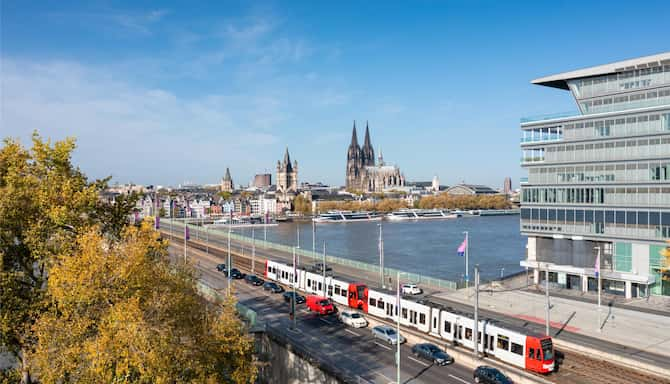
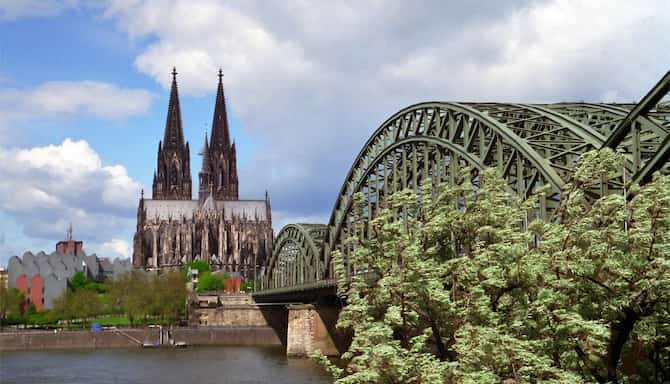
Move between Museum Ludwig, the Wallraf-Richartz Museum, and the Farina Fragrance Museum.
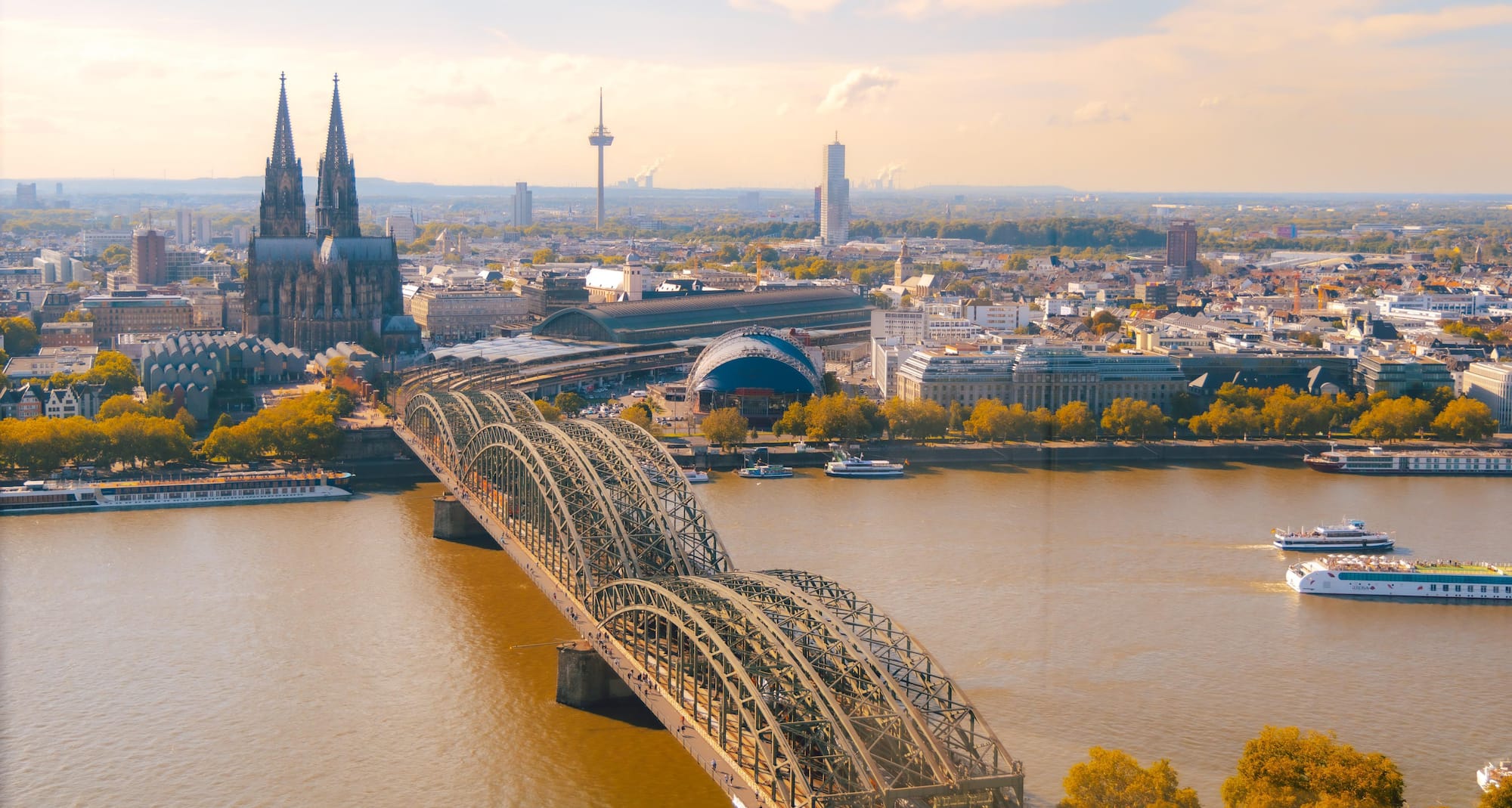
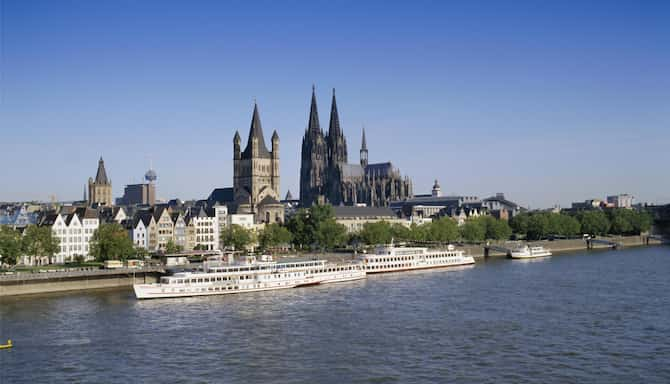
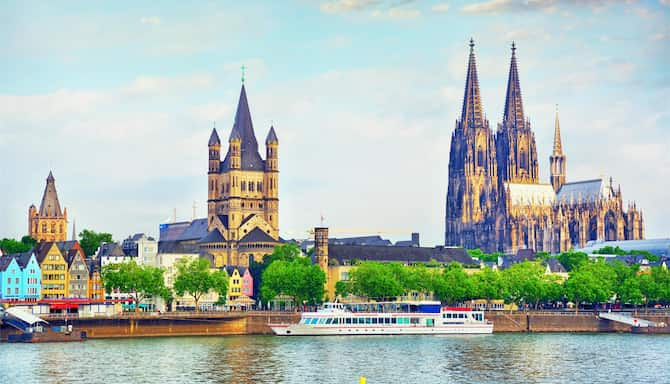
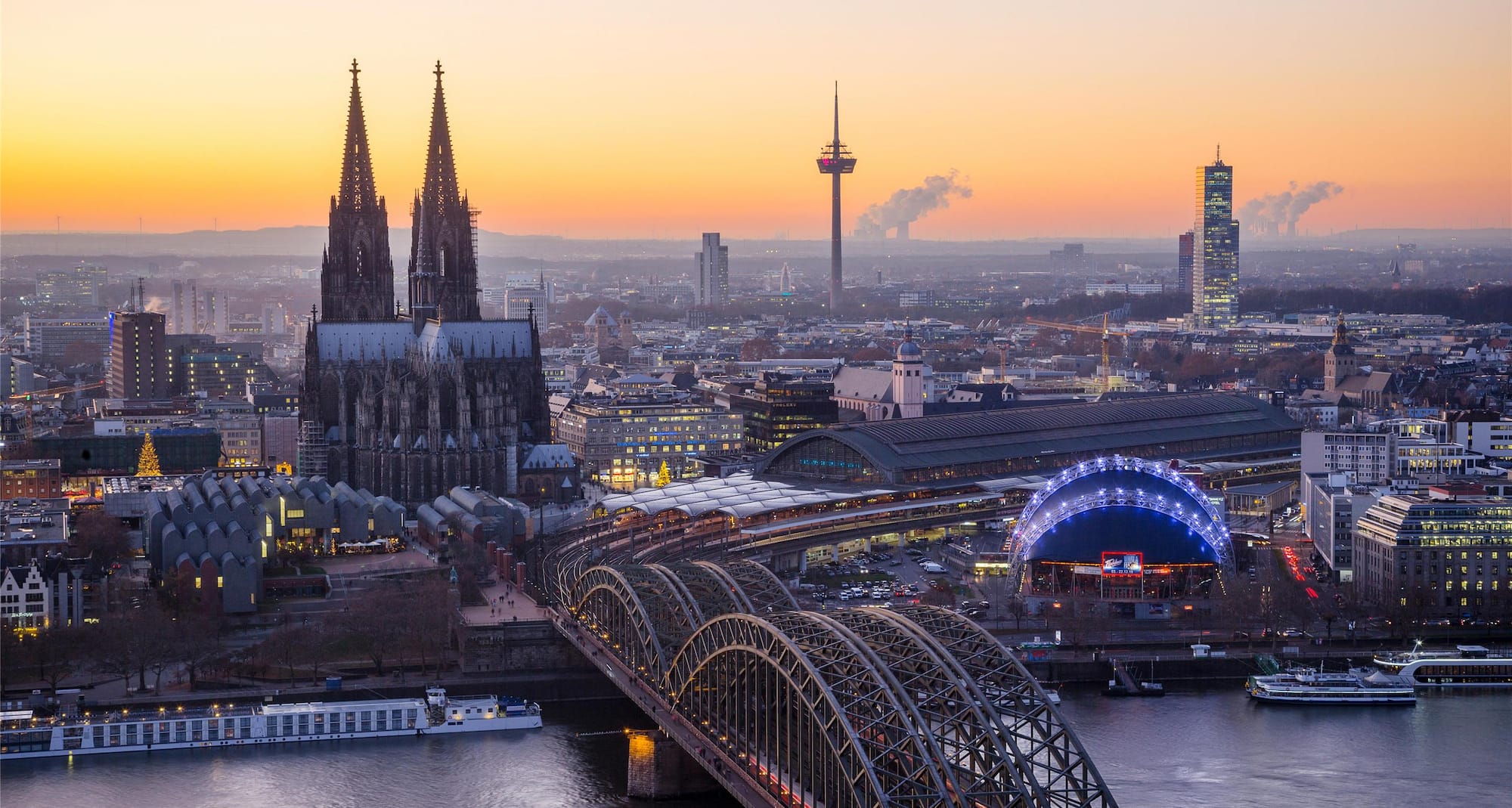
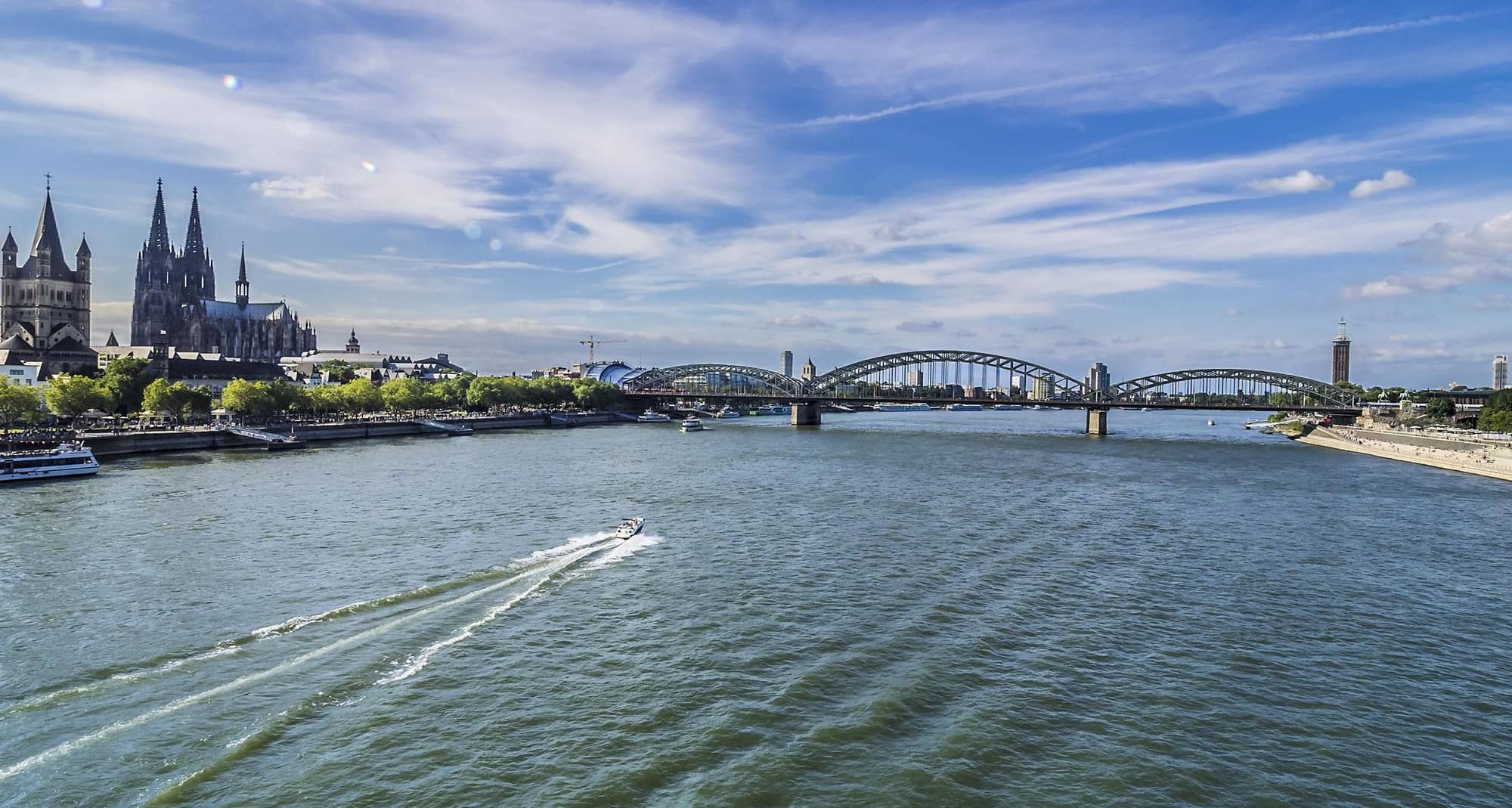
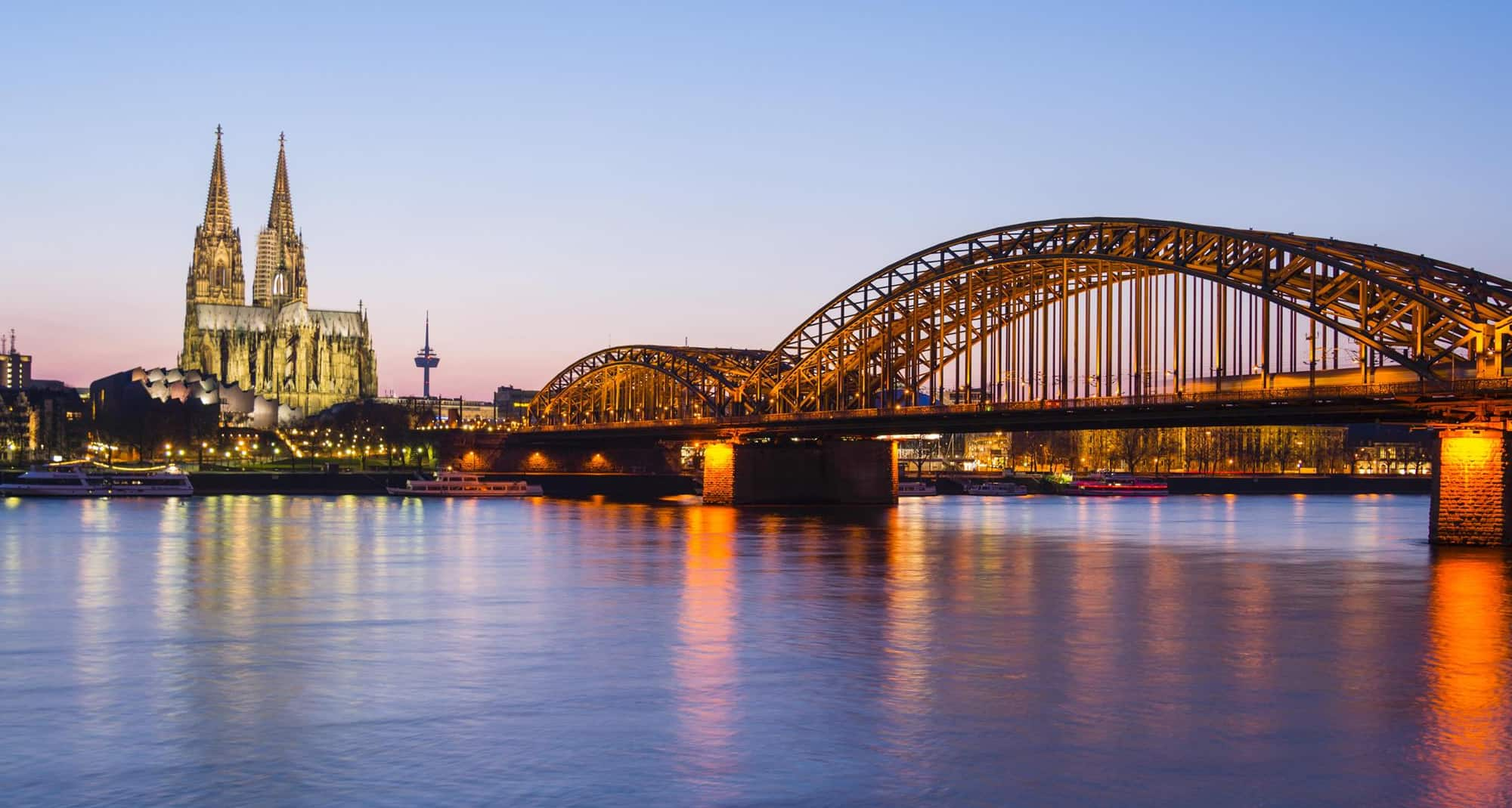
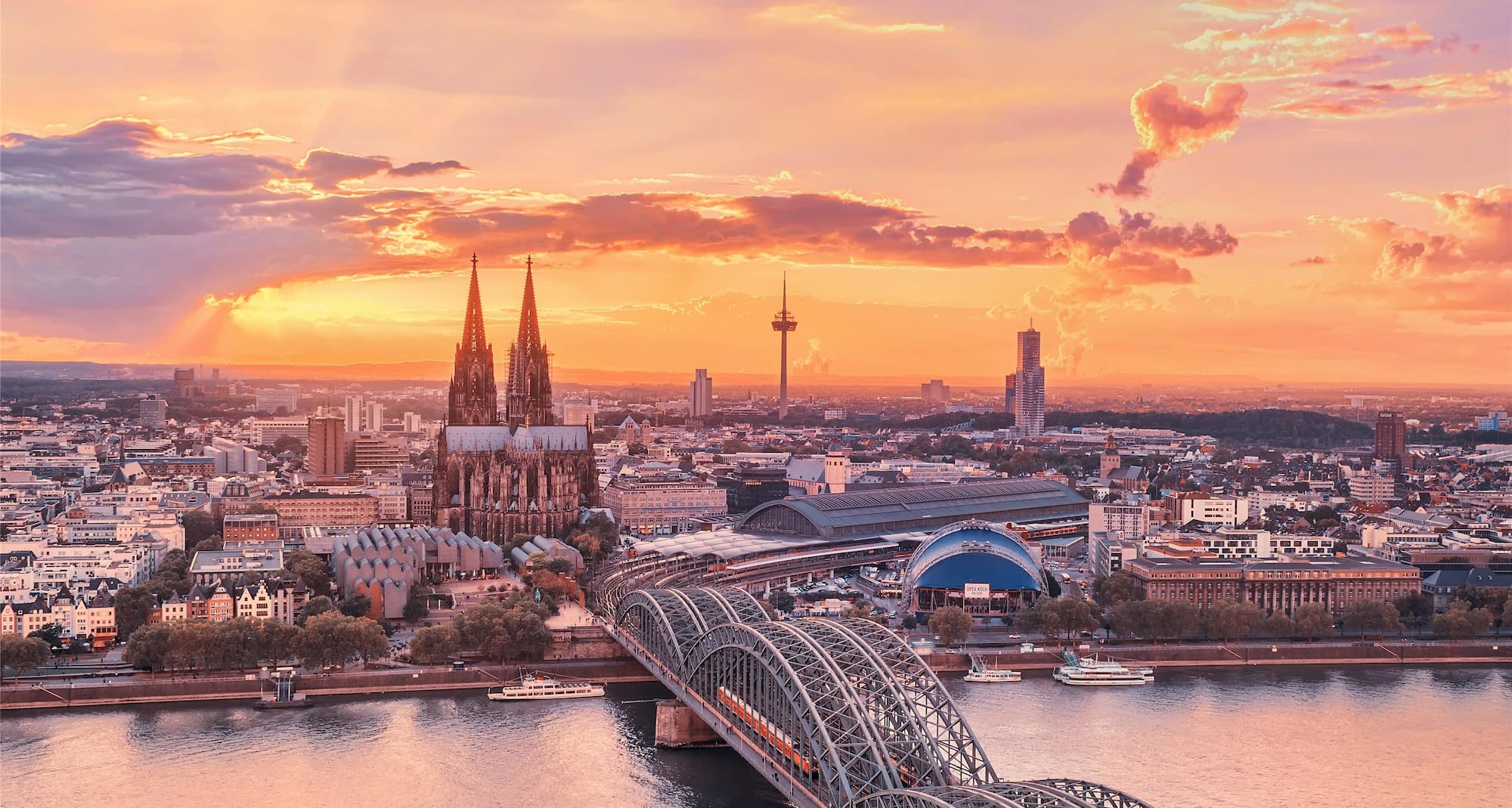
Cologne is a river city built around one enormous landmark. On the Rhine in North Rhine-Westphalia, it pairs a Gothic cathedral inscribed by UNESCO in 1996 with twelve Romanesque churches, a reconstructed Old Town, and more than 100 museums.
From planning your stay with Radisson Hotels to walking the Hohenzollern Bridge, riding the cable car, and climbing the KölnTriangle viewing platform, this guide gathers the ideas that make a short visit work.
Taste Kölsch in an Old Town brewery house, trace Eau de Cologne back to the Farina Fragrance Museum, spend an afternoon with Picasso at Museum Ludwig, and leave room for Carnival or the Christmas markets. It suits first-time visitors, families, art lovers, food fans, and anyone who wants a compact city break with a river running through it.
Cologne packs Gothic landmarks, riverside walks, and a beer culture of its own into a walkable center.
Season | Best for | Travel tip |
|---|---|---|
Spring (March–May) | Flora gardens, cable car rides, mild city walks | The Rhine cable car reopens in March, so pair it with the Flora and Cologne Zoo. |
Summer (June–August) | Rhine walks, Rheinpark, boat trips, Cologne Pride | Book central hotels early, and save the Rhine promenade and Rheinpark for cooler evenings. |
Autumn (September–November) | Museum days, brewery evenings, river walks | Ride the cable car before it closes at the end of October, then move indoors to the museums. |
Winter (December–February) | Christmas markets, Carnival, museums, concerts | Christmas markets open around mid-November, and the cable car stays closed until March. |
Cologne is easiest on foot in the center, where the cathedral, the Old Town, and the Rhine promenade sit close together. Kölner Verkehrs-Betriebe (KVB) runs the Stadtbahn trams, underground lines, and city buses that carry more than 850,000 passengers a day, with real-time boards at stops.
Cologne Central Station stands beside the cathedral and handles over 1,300 passenger trains daily. Cologne Bonn Airport is about 16 kilometers out, roughly 15 minutes from the main station by train. The KölnCard covers 24 or 48 hours of free local transport plus museum and tour discounts. Drivers can park and ride outside the low-emission zone.
You might give a whole morning to the cathedral and the Romanesque churches, or trade that for a museum afternoon and an evening in a brewery house by the river. Cologne is compact enough that most of these choices stay open until you make them.
These day plans keep Cologne manageable rather than turning it into a checklist. Each route groups places that sit near each other, so you spend less time crossing the city and more time in the cathedral quarter, the Old Town, the museums, and along the Rhine.
Leave room to stop. A brewery house, a riverside bench, a church interior, or a market stall can easily take longer than planned, and that is usually the part of the day people remember. Book timed entry where it is needed, and check opening hours before you set out, since Museum Ludwig closes on Mondays.
Day 1
Day 2
Day 3
| Idea | Why go? | Time needed | Best for |
|---|---|---|---|
| Cologne Cathedral | See the Gothic landmark UNESCO listed in 1996 | 1–2 hours | First-timers, architecture fans |
| Museum Ludwig | Find Pop Art, Picasso, and 70,000 photographic works | 2–3 hours | Art lovers, museum visitors |
| Chocolate Museum | Follow cocoa through 5,000 years and a chocolate fountain | 2–3 hours | Families, food lovers |
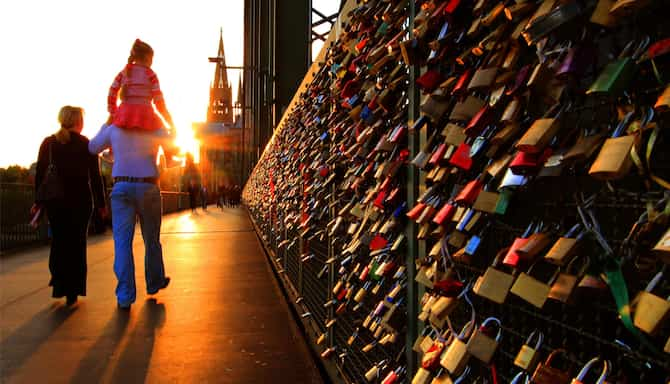
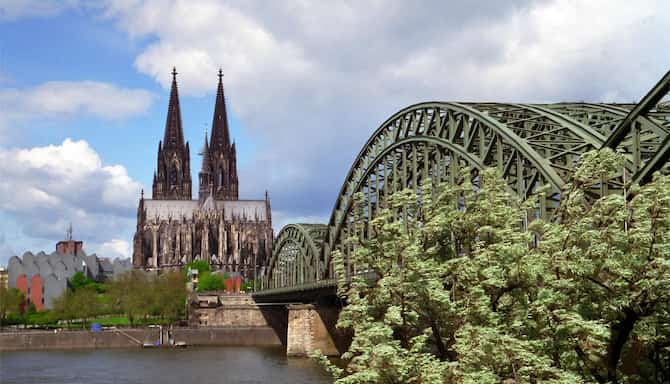
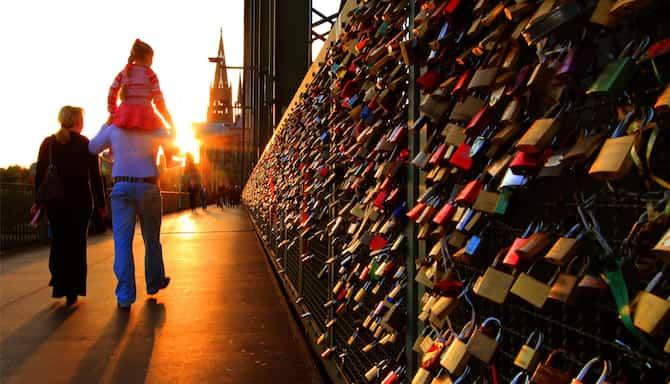
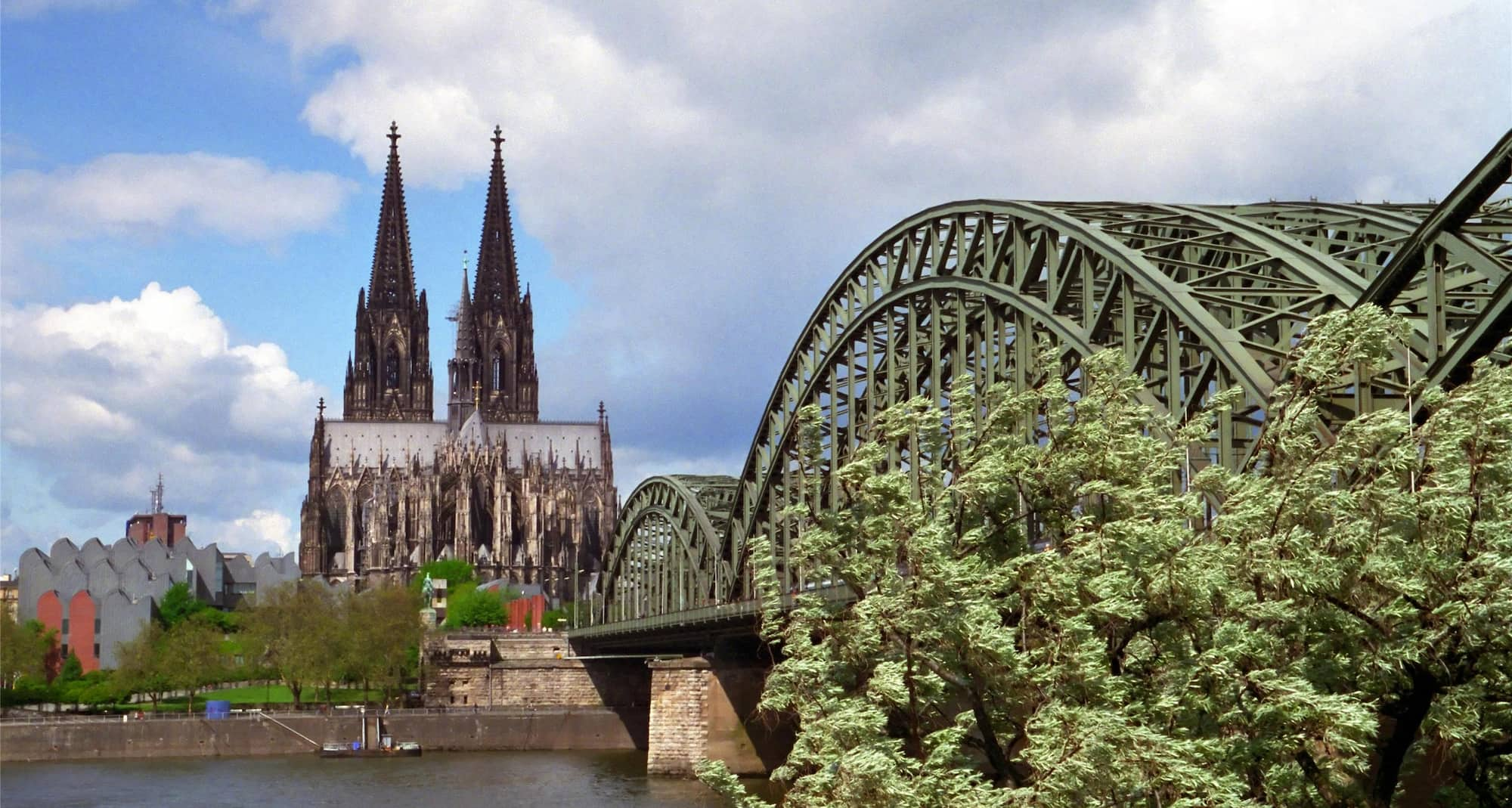
| Hohenzollern Bridge | Walk past thousands of love locks with the cathedral behind | 30 minutes | Photographers, couples |
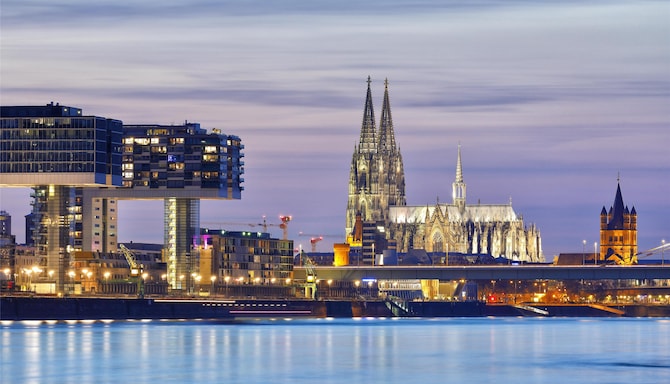
| KölnTriangle viewing platform | Take in a 360-degree view from 103 meters above Deutz | 1 hour | Photographers, first-timers |
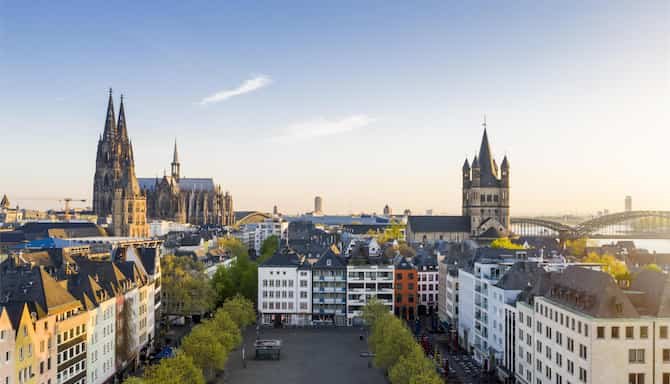
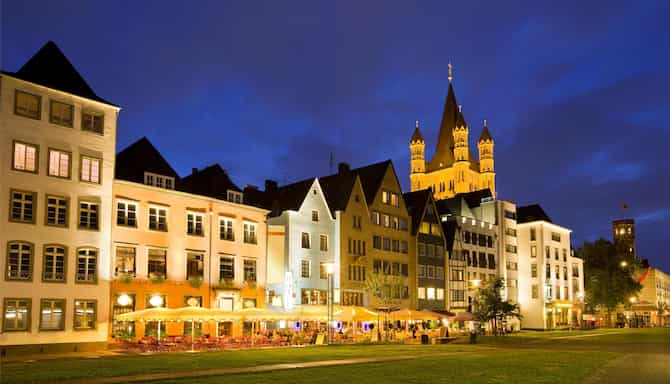
| Old Town and Alter Markt | Wander cobbled lanes around Cologne's most traditional square | 2–3 hours | First-timers, history fans |
| Wallraf-Richartz Museum | See medieval painting and Impressionist collections | 2 hours | Art lovers, painting fans |
| Farina Fragrance Museum | Trace Eau de Cologne back to a perfume house of 1723 | 1 hour | History fans, curious visitors |
| Cologne cable car | Cross the Rhine by gondola between Cologne Zoo and Rheinpark | 30 minutes | Families, photographers |
| Twelve Romanesque churches | See churches built between 1000 and 1250 across the center | 2–3 hours | History fans, architecture lovers |
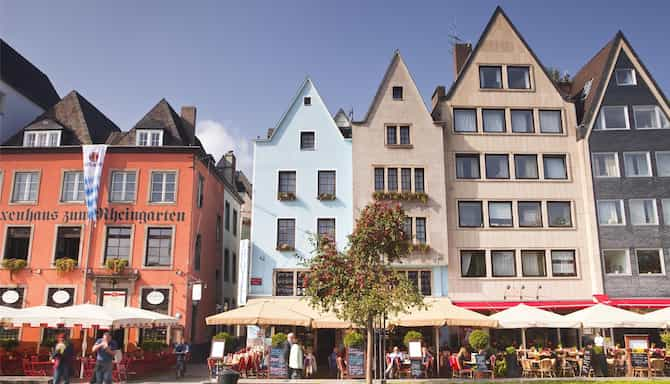
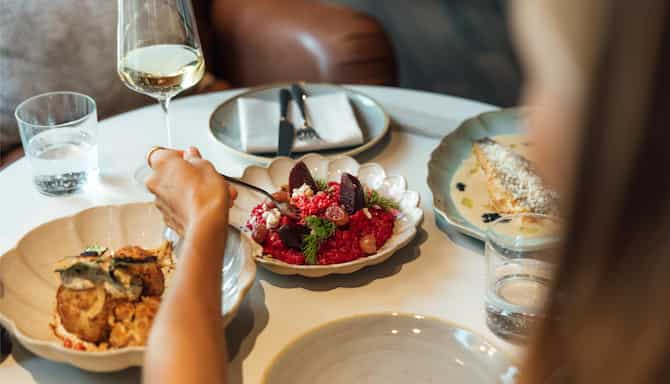
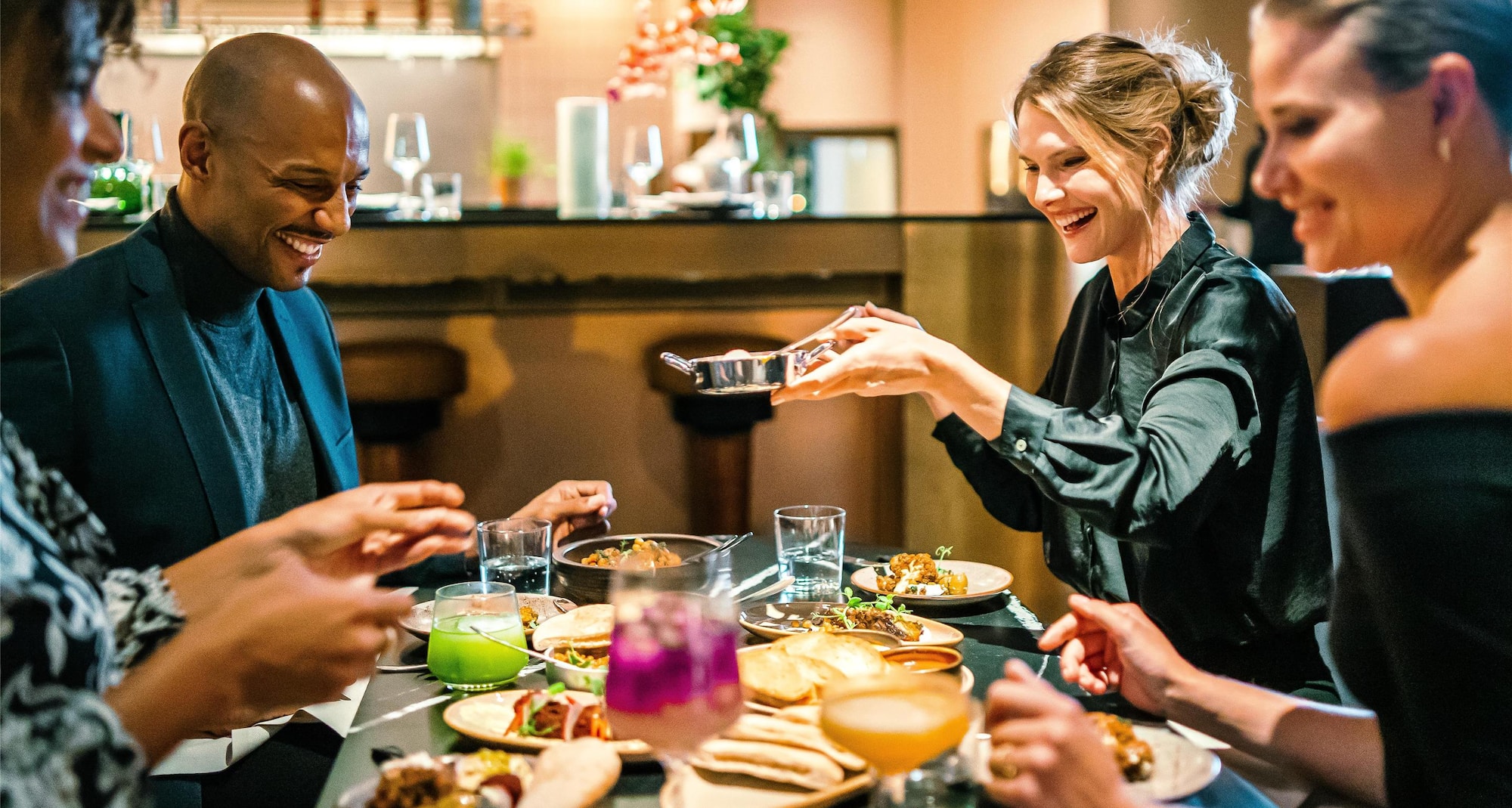
Cologne's social life runs through its brewery restaurants. Kölsch, the only beer the city may brew, arrives in 0.2-liter cylindrical glasses carried by a waiter called a Köbes, whose blunt, teasing manner is part of the tradition. About 25 Kölsch brands are brewed here. Rest your beer coaster on the glass to signal you have had enough. Typical plates include Halver Hahn, a rye roll with aged Gouda and mustard, and Rhineland Sauerbraten.
Tipping is voluntary across Germany. Round up or add roughly 5–10%, handed to the server rather than left on the table, and cash is still widely carried. Carnival's rallying cry is "Kölle Alaaf".
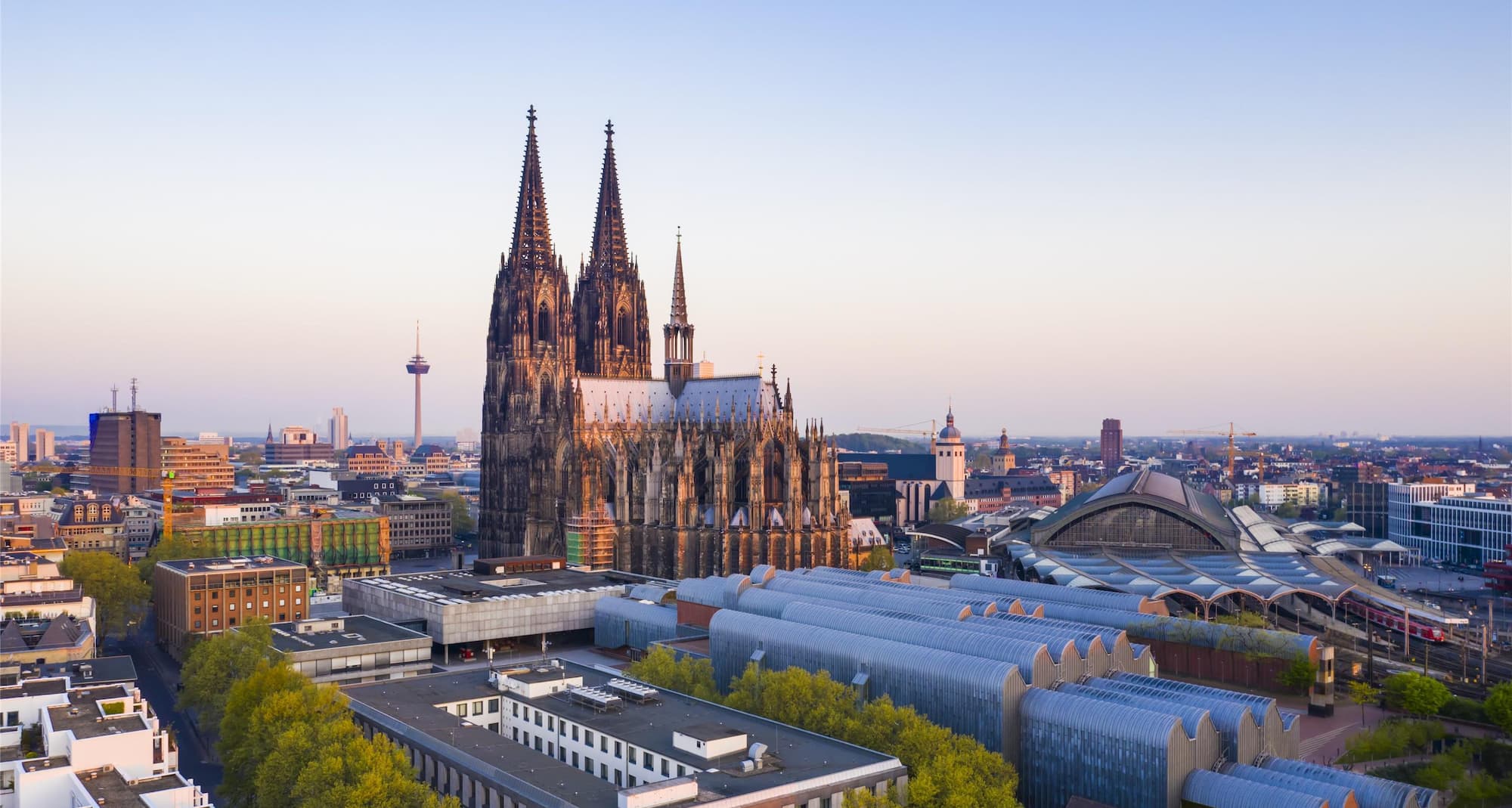
Cologne holds more than 100 museums, collections, and exhibition halls, and several of the strongest sit close to the river. Museum Ludwig, beside the cathedral, holds the largest Pop Art collection outside the United States, the world's third-largest Picasso collection, and a photography archive of 70,000 works shown in rotation.
A short walk away, the Wallraf-Richartz Museum covers medieval painting through the 19th century and Germany's most extensive Impressionist and Post-Impressionist holdings. Kolumba adds the archdiocese's own collection, and the Farina Fragrance Museum turns the invention of Eau de Cologne into a tour.
Cologne is the only city permitted to brew Kölsch, and about 25 brands come out of the city itself. It arrives in a 0.2-liter cylindrical glass, carried by a waiter called a Köbes who replaces it without being asked until you rest your coaster on top.
The brewery houses around the cathedral, the Historic City Hall, and the Rhine promenade serve it with Halver Hahn, a rye roll with aged Gouda and mustard, alongside Himmel un Äd and Rhineland Sauerbraten. The tradition runs deep. A city decree in 1412 established 21 guild breweries inside the walls, and Brauhaus Sion has been pouring since 1511.
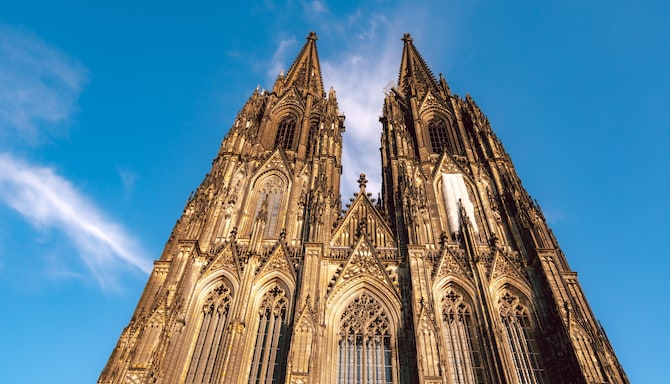
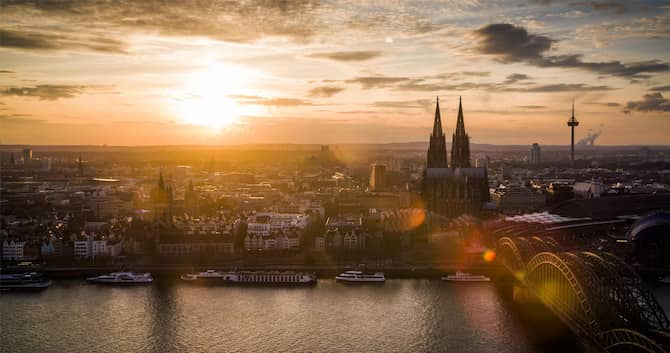
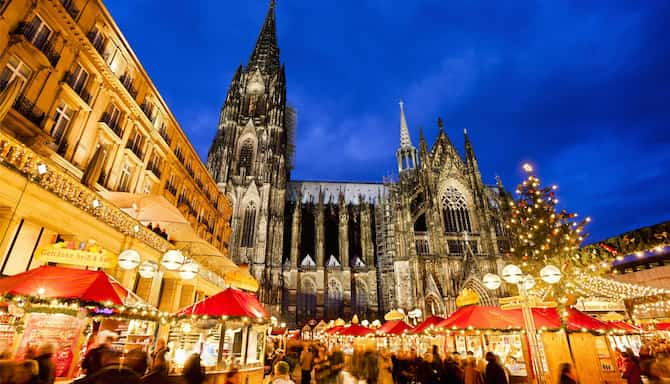
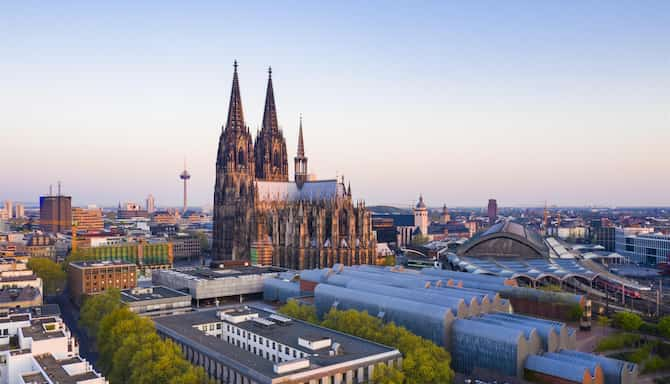
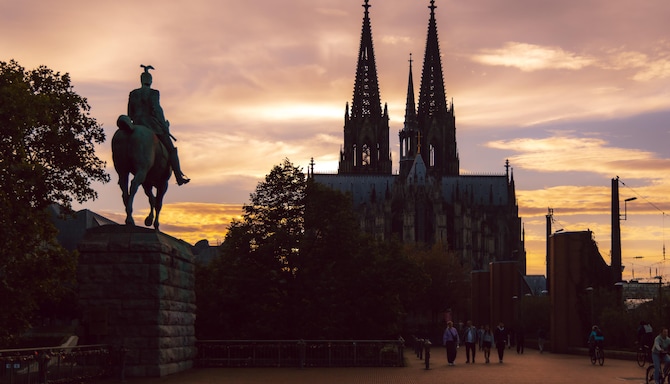
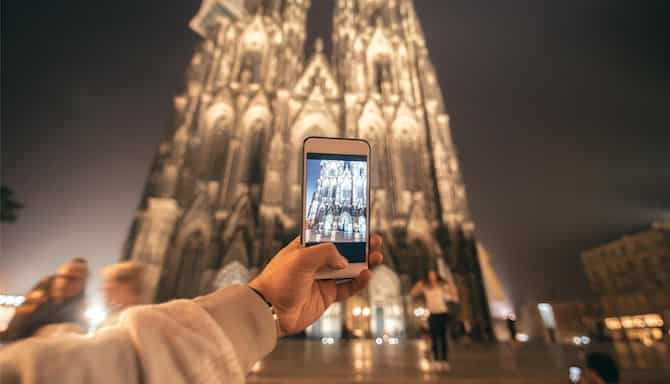
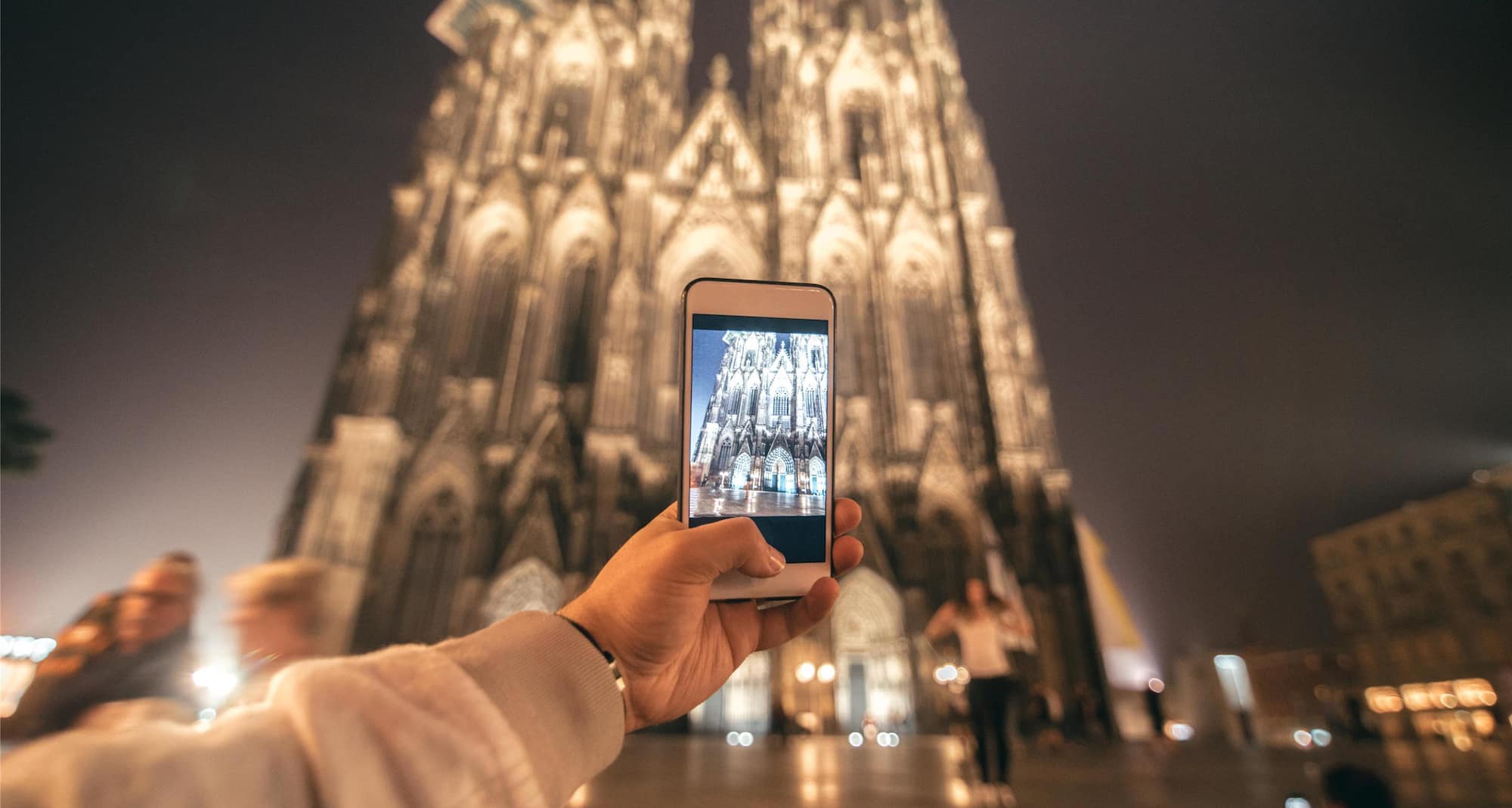
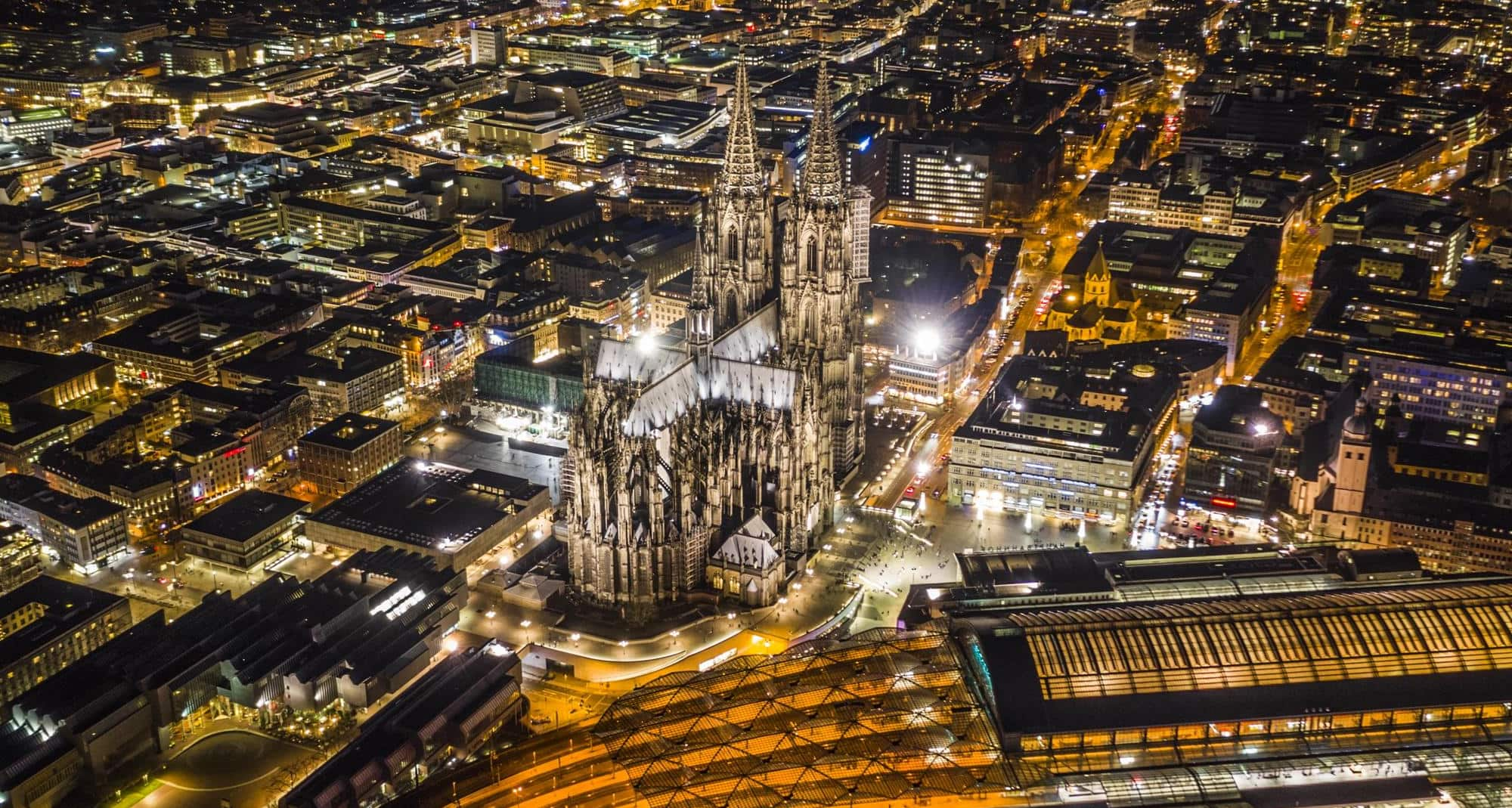
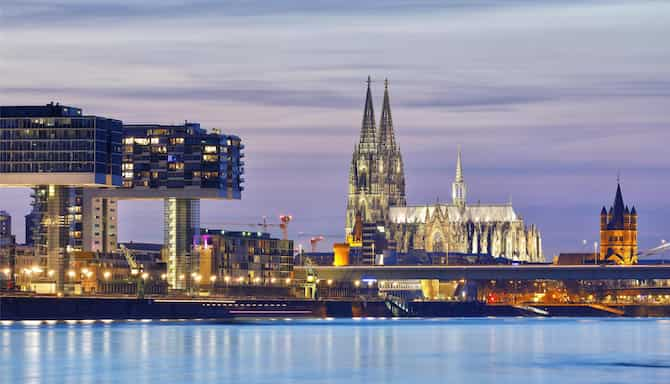
Cologne Cathedral is the obvious starting point, and it earns the attention. Begun in 1248 and finished in 1880, it stands 157 meters tall, carries more than 10,000 square meters of window glass, and was added to the UNESCO World Heritage List in 1996. Tickets are required to visit the interior, so check the official cathedral site before you go.
What surprises most visitors is what surrounds it. Twelve Romanesque churches, built between 1000 and 1250, form a semicircle around the old center, and nowhere else are so many gathered in so small an area. Several stand on Roman foundations and were rebuilt after wartime damage.
Cologne makes a gentle city for children. The Chocolate Museum in the Rheinauhafen drew 716,000 visitors in 2025 across 4,000 square meters of exhibition space, with a walk-through greenhouse, a glassed-in chocolate factory, and a 3-meter fountain holding 200 kilograms of chocolate.
Cologne Zoo and the neighboring Flora and Botanical Garden sit side by side on the left bank. From March to the end of October, the cable car carries its 44 cabins across the Rhine to Rheinpark, where there is a café and a playground. The crossing covers 935 meters in about 6 minutes, roughly 50 meters above the water, and it has been running since 1957.
Evenings in Cologne usually begin in a brewery house. The Köbes keeps the glasses coming, conversation with the next table is part of the experience, and the Old Town holds enough of them within a few streets that you can move between several in one night.
For something quieter, the Kölner Philharmonie sits beside Museum Ludwig, and panoramic evening sailings leave from the Old Town landing stages. Kwartier Latäng and Friesenviertel draw a younger, student crowd, while Ehrenfeld and the Belgian Quarter are known for street art, marked routes, and specialist galleries.
Cologne is in Germany, part of the European Union and the Schengen Area. Entry rules depend on your nationality and length of stay, so check official guidance before booking if you are unsure.
Comfortable walking shoes suit the cobbled Old Town and the riverside paths. Cologne Cathedral applies a dress code at the entrance, so cover your shoulders and remove headwear before going in.
German is the official language and the local dialect is Kölsch. The tourist board, the KVB transport app, and the KölnCard all publish in English, and a few German words are always welcome.
Two to three days covers the cathedral, the Old Town, two or three museums, a crossing of the Rhine, and an evening in a brewery house. Add a day for Cologne Zoo, the Flora, or the Rheinauhafen.
Walk in the center, then use KVB trams, underground lines, and buses for anything further out. The airport sits about 15 minutes from the main station by train, and a rental car is not needed.
Tipping is voluntary in Germany. Rounding up or adding roughly 5–10% is normal in restaurants and bars, and the tip goes to the server when you pay rather than onto the table.
The session opens on 11 November at 11:11 am, and the street carnival runs for six days from Weiberfastnacht to Violet Tuesday, usually in February or early March. Dates move each year, so check before booking.
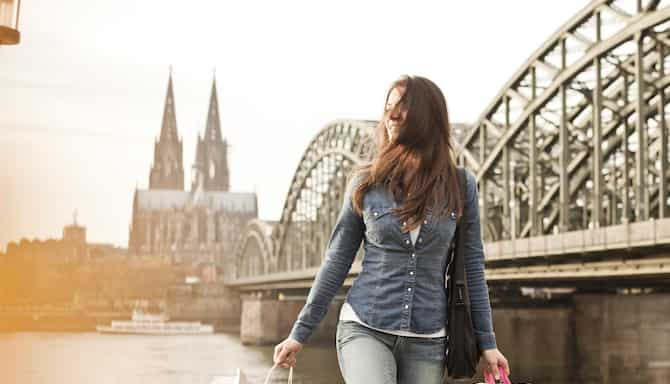
No. It runs from March to the end of October and closes over winter for maintenance. In the colder months, cross the Rhine on foot over the Hohenzollern Bridge instead.
Start with a Kölsch, then order Halver Hahn, a rye roll with aged Gouda and mustard, Himmel un Äd, or Rhineland Sauerbraten in an Old Town brewery house.